


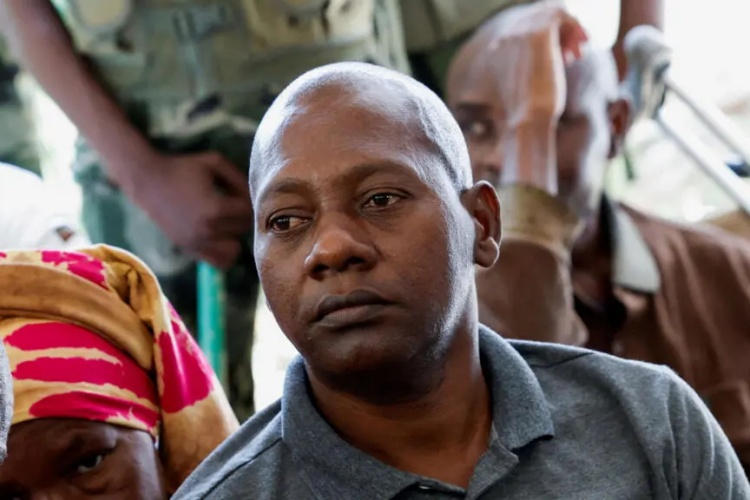
Gambiaj.com – (MOMBASA, KENYA) – Paul Mackenzie, the self-proclaimed pastor behind Kenya’s Shakahola religious cult, has been sentenced to 200 years in prison for the murder of 191 people, including 190 children, whose bodies were discovered in mass graves in the coastal forest of Shakahola in 2023.
The High Court in Mombasa handed down the sentence on Friday, November 6, 2026, bringing to a close a murder trial that lasted more than two years and exposed one of Kenya’s most disturbing cases of religious extremism.
Mackenzie, leader of the Good News International Church, had instructed his followers to undertake extreme fasting in the belief that starving themselves would enable them to meet Jesus. Prosecutors established that 190 children and one adult were murdered as part of the cult’s activities.
The victims were among approximately 430 bodies recovered from mass graves on land controlled by Mackenzie in Shakahola Forest, Kilifi County, along Kenya’s coast.
Most of the victims died from starvation, while some children were strangled or suffocated. The judge said the circumstances surrounding the children’s deaths demonstrated the determination of Mackenzie’s followers to carry out his deadly instructions.
Parents Among 29 Co-Accused
Mackenzie was convicted alongside 29 co-accused, many of whom were the parents of the children who died.
The prosecution presented evidence linking the defendants to the deaths, with the court hearing testimony from more than 130 witnesses and examining thousands of pieces of evidence during the lengthy proceedings.
The scale of the killings and the circumstances in which the bodies were discovered sparked national outrage and renewed concerns about the regulation of religious organizations and the protection of vulnerable followers from extremist religious teachings.
Defense Announces Appeal
However, the defence has challenged the court’s handling of the case, accusing it of being influenced by public opinion rather than focusing on the evidence presented during the trial.
Lawrence Obonyo, Mackenzie’s defense lawyer, argued that the court failed to properly consider the defense’s submissions and the religious convictions behind the fasting practices.
He maintained that fasting was a personal choice rooted in deeply held religious beliefs and accused the court of failing to assess the defendants’ cases strictly under the law.
Obonyo announced that the defense intends to appeal the judgment.
Although Friday’s sentencing marks the conclusion of the lengthy murder trial, other legal proceedings linked to the Shakahola massacre remain ongoing.
The case has become a major test of Kenya’s efforts to address religious extremism, strengthen oversight of religious institutions, and prevent the exploitation of vulnerable people through dangerous teachings.











Leave a Reply