


The Independent Electoral Commission (IEC), in partnership with the International Institute for Democracy and Electoral Assistance (International IDEA), will host the signing ceremony at the Sir Dawda Kairaba Jawara International Conference Centre.
The signing launches the official start of the 18-day campaign period, which runs from November 16 to December 3, giving candidates an opportunity to present their programs and mobilize support before voters go to the polls.
The Peace Pact is intended to reinforce commitments by candidates and their supporters to respect the electoral process, avoid violence and intimidation, and contribute to an atmosphere in which political competition can take place peacefully.
The ceremony comes at a critical moment in the country’s electoral calendar, as political parties and independent candidates prepare to intensify their campaigns across the country. The signing is intended to establish a common commitment to peaceful political engagement, respect for democratic principles and the avoidance of actions that could undermine the credibility of the election.
The IEC has also indicated that it would harmonize and reconcile the campaign schedules of the endorsed candidates to ensure an orderly campaign period and minimize potential clashes between rival political activities.
Nine Candidates To Contest December 5 Election
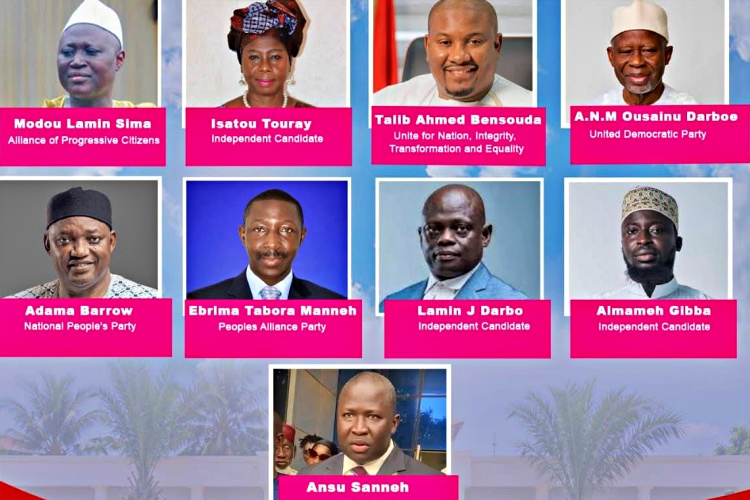
Nine candidates have been cleared by the IEC to contest the December 5 presidential election, following the conclusion of the nomination process on November 14.
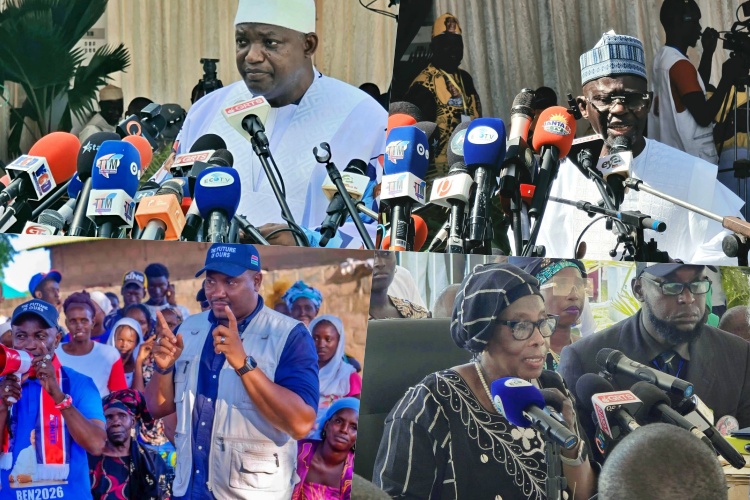
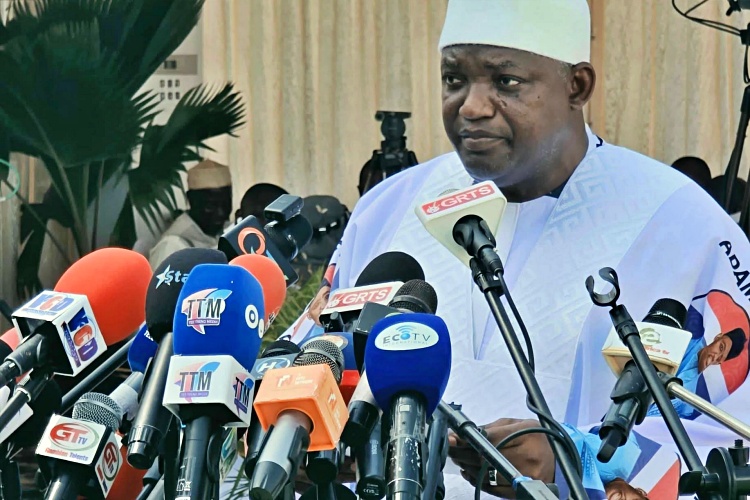
The nine candidates are incumbent President Adama Barrow of the National People’s Party (NPP), United Democratic Party (UDP) leader Ousainou ANM Darboe, Talib Ahmed Bensouda of UNITE, Isatou Touray, Modou Lamin Sima of the Alliance of Progressive Citizens (APC), Ansu Sanneh of the National Business Party (NBP), Ebrima Tabora Manneh of the People’s Alliance Party (PAP), Lamin J. Darbo, and Almameh Gibba.
According to the IEC, 27 nomination forms were issued to aspiring candidates, but 11 parties and individuals withdrew from the process. Sixteen aspirants eventually submitted nomination papers, of which seven were rejected, leaving nine approved candidates.
The campaign period will provide the candidates with 18 days to make their case to voters before campaigning officially closes on December 3, two days ahead of polling day.
With nine candidates in the race, the election is expected to feature competition between established political figures, emerging political movements and independent candidates seeking to challenge the incumbent.
Peaceful Conduct Remains A Key Test
Beyond the formal start of campaigning, the Peace Pact signing is an opportunity for the candidates to demonstrate their commitment to ensuring that political differences do not translate into violence, intimidation or confrontation among supporters.
The responsibility for maintaining a peaceful election, however, extends beyond the candidates themselves. Political parties, campaign teams, supporters, security agencies, the media and other electoral stakeholders all have a role in ensuring that the campaign and polling process remain peaceful.
The IEC has urged all endorsed candidates and their supporters to conduct their activities in accordance with the country’s electoral laws.
The December 5 election will be an important democratic exercise for The Gambia, which is preparing for its third presidential election since the end of Yahya Jammeh’s 22-year rule in 2017.
The campaign period will therefore test not only the candidates’ ability to mobilize voters but also the country’s capacity to manage political competition peacefully and strengthen public confidence in the electoral process.



Leave a Reply