


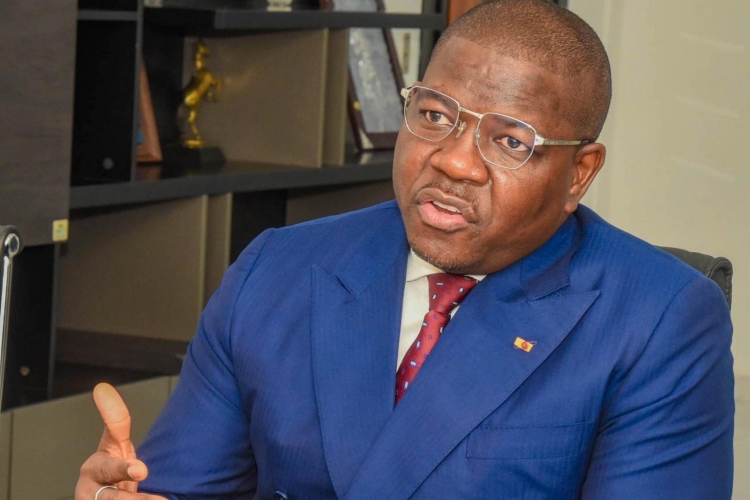
Gambiaj.com – (BISSAU, GUINEA-BISSAU) – Guinea-Bissau’s transitional Prime Minister, Ilídio Vieira Té, has called for far-reaching structural reforms of state institutions, arguing that elections alone cannot guarantee lasting political stability in a country that has experienced repeated political, military and institutional crises since independence.
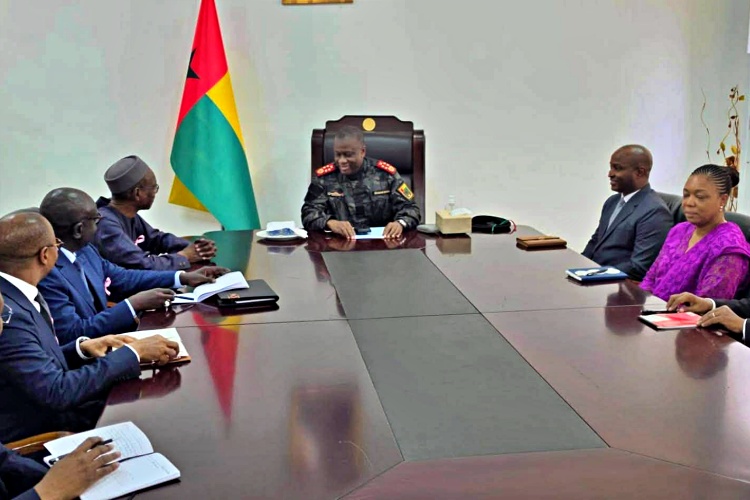
The Prime Minister’s position was outlined in a statement distributed to the press in Bissau on Thursday by his political adviser, António Óscar Barbosa, following a meeting with members of the diplomatic corps and representatives of international organizations accredited to Guinea-Bissau.
According to the statement, Vieira Té believes the country must address long-standing institutional weaknesses that have contributed to successive crises over more than five decades, rather than relying solely on the organization of elections to restore political stability.
Among the reforms identified as priorities by the transitional government are a review of the lifetime pension system, reform of the judiciary, stronger judicial independence and revisions to the Constitution and electoral laws.
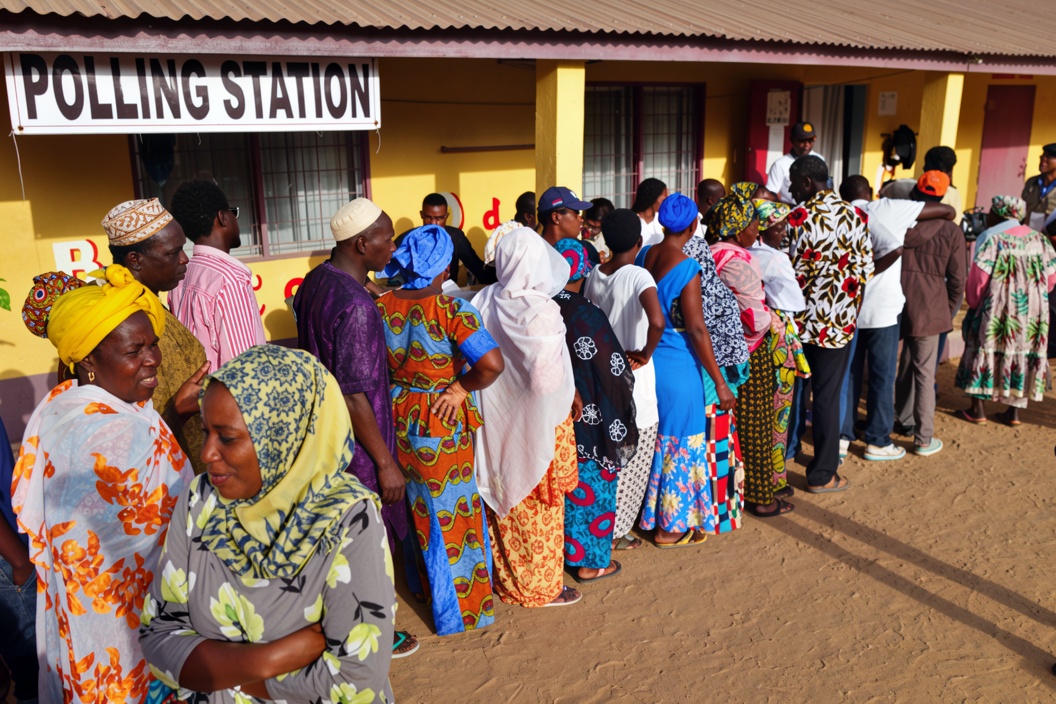
The government is also proposing a new voter registration exercise and the preparation of an updated electoral map.
Government Seeks International Support
During the meeting with diplomats and international representatives, Vieira Té appealed for understanding and support from Guinea-Bissau’s international partners.
He argued that international assistance should go beyond financing and organizing the next elections, calling for technical support to implement institutional reforms, modernize the justice system and strengthen state structures.
He specifically highlighted the importance of cooperation with the Economic Community of West African States (ECOWAS), the African Union, the United Nations, the Community of Portuguese Language Countries (CPLP), as well as bilateral and multilateral partners.
The Prime Minister said the ongoing transition should provide an opportunity to address structural problems that have accumulated over decades, with the aim of restoring constitutional order and consolidating democracy.
His proposals come amid Guinea-Bissau’s latest political transition, following another episode of institutional and political instability that has renewed concerns about the country’s democratic governance and the recurring tensions between civilian and military authorities.
The transitional government’s position suggests that it wants the transition process to extend beyond the organization of elections and include broader institutional changes intended to address some of the underlying causes of Guinea-Bissau’s repeated crises.




Leave a Reply