


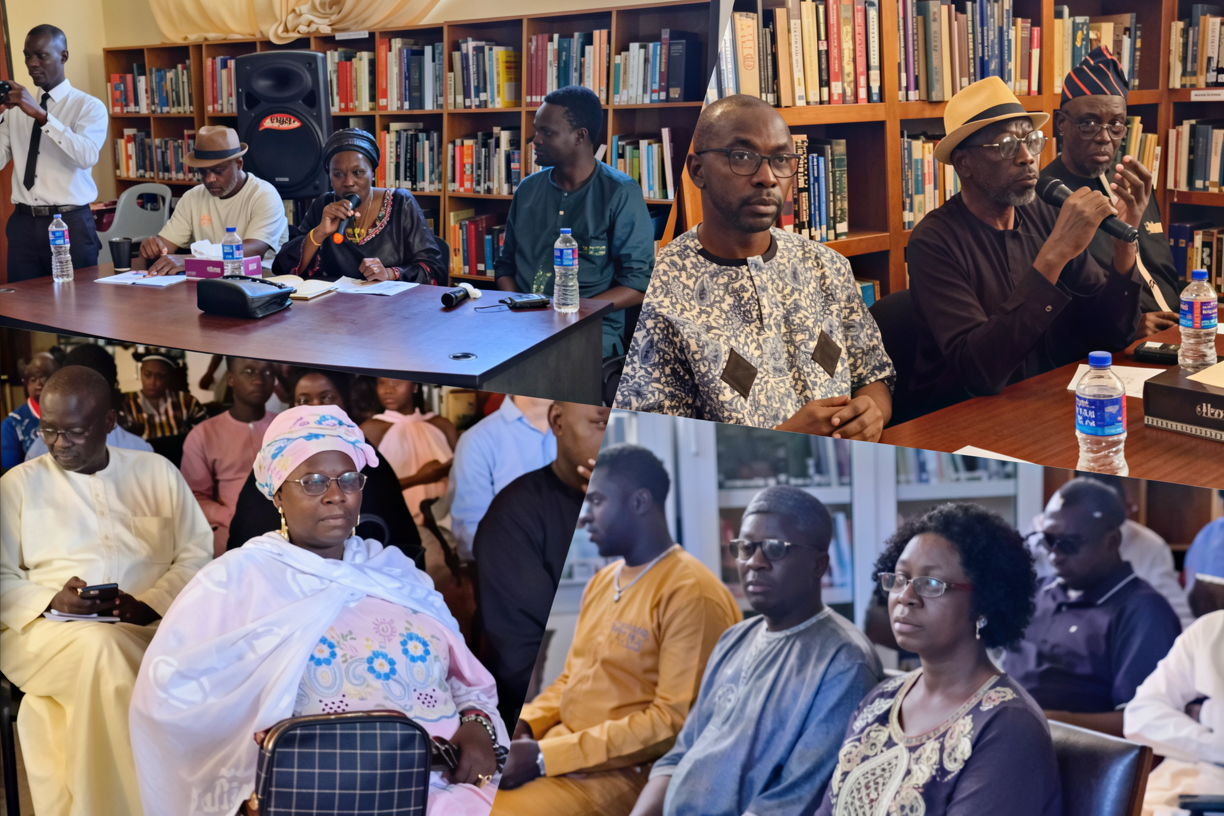
Gambiaj.com – (BANJUL, THE GAMBIA) – A new initiative seeking to preserve The Gambia’s family histories, cultural heritage, and ancestral connections through artificial intelligence (AI) was launched on Saturday at the National Library in Banjul.
Known as the Hamanteh Project, the initiative aims to build a national oral history network by bringing together family histories from across the country and connecting them through a digital platform developed by Banjul-born Gambian IT expert Amran Gaye.
The project draws its initial foundation from an extensive community-led documentation exercise in Half Die, Banjul, where residents recorded their histories house by house and elder by elder. The exercise was spearheaded by members of the Half Die community, whose recordings have now become part of the data used to develop the Hamanteh AI platform.
At the heart of the initiative was the Half Die Mansa Musa WhatsApp group, administered by Bai-Mass Taal. Acting on their own initiative, members of the group had already collected more than 500 audio recordings of family histories, with elders narrating their personal experiences and ancestral accounts.
Recognizing the historical value of these recordings, Gaye retrieved the material and began working with it alongside a team of volunteers, including Tijan Baabu Jow, Fatoumatta L. Sisay, and Mar Yaam Njie, to develop the digital platform.
Reconnecting Families Through Technology
Speaking at the launch, Bai-Mass Taal thanked participants and members of the community for attending the ceremony, particularly those who had contributed to the initiative.
He said the project was inspired by the traditional networks of family relationships, friendships, and community connections that historically brought Gambians together, regardless of ethnic background or political affiliation.
In her intervention, Juka Jabang said these relationships played an important role in maintaining social cohesion, mutual support, and security within communities.
She said the gradual disappearance of these connections, particularly as elderly people pass away without their knowledge and experiences being documented, makes it increasingly important to preserve family histories for future generations.
Amran Gaye, the brain behind the project highlighted the relevance of the initiative during the current election period, which he described as a challenging time for democratic societies because of political disagreements and divisions.
“I found this event especially relevant as we go through this election period: a difficult period in any democracy, with much disagreement and division,” he said.
“But the ancestors left us with a tool to hold our people together: a network linking us by surname to surname, family to family, and friend to friend. Every Gambian connected to every other Gambian in some way. Ties beyond tribe or political affiliation, a common bond that has always held us together as a people.”
He warned that this traditional network was gradually fading, particularly as elders died without passing on or recording the knowledge they carried.
“But with the digital tools we have now, we can be the generation that revives it, adding all our histories from across the land. For us, now, to become reconnected, and for our children and all the Gambians yet to come,” Gaye said.
A National Effort To Document Family Histories
The Hamanteh platform is designed to allow Gambians at home and abroad to contribute their family histories and genealogical information, creating an interconnected repository of the country’s collective memory.
Gaye said the launch was only the beginning of a much broader effort that would require active participation from communities across the country.
He called on Gambians to upload their family histories and family trees, help transcribe oral recordings into English for the AI system, and encourage relatives and other community members to contribute.
He also appealed for volunteers to become community champions who could coordinate documentation exercises in their respective towns, neighborhoods, and streets, recording histories house by house.
Gaye said families could also organize their own projects to document their complete histories and preserve the experiences of older generations.
The project plans to expand its public engagement through a Facebook group where members will share family histories, lineages, and photographs for identification. A radio program is also being developed to invite elders from different parts of the country to share their stories.
Gambians interested in contributing or exploring the platform can visit https://hamanteh.dundalai.com/join.
Gaye stressed that the initiative would only achieve its objectives if people across the country actively participated in documenting and sharing their histories.
Half Die Community Recognized for Leading Initiative
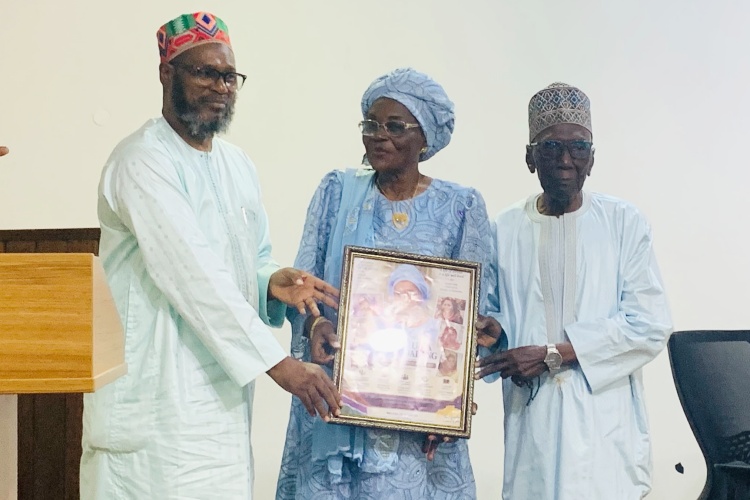
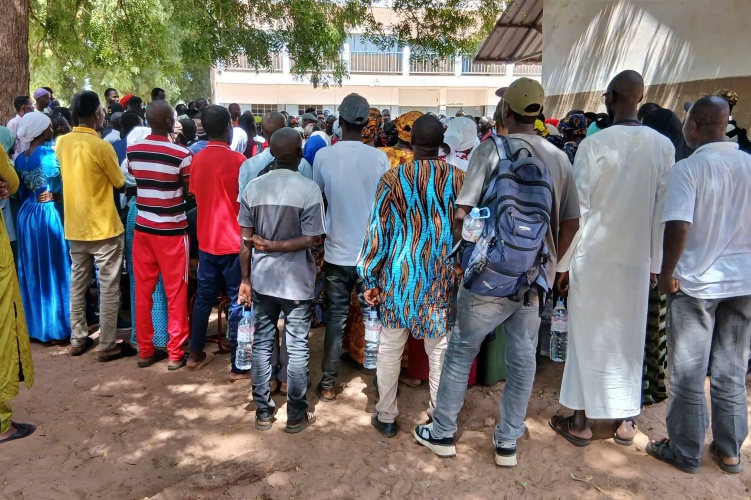
Saturday’s ceremony brought together several personalities and community representatives, including Bai-Mass Taal and other members of the Half Die Mansa Musa group, whose grassroots initiative provided the foundation for the project.
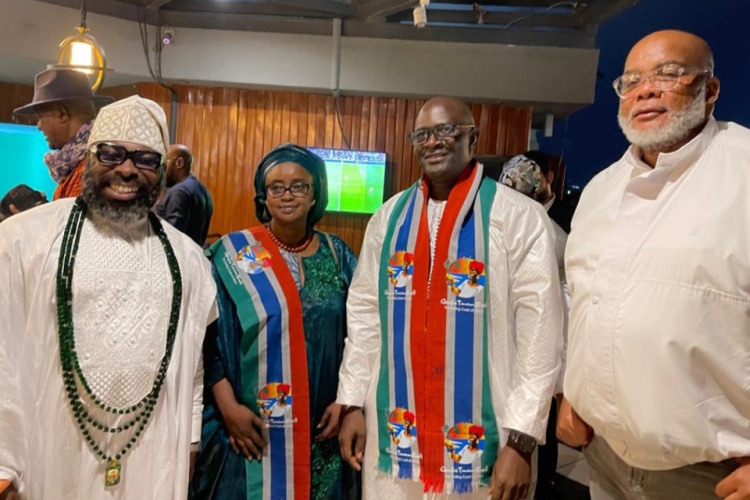
The launch was also attended by Juka Jabang Njie, Tunde Jones, Bakary Sanyang, who hosted the ceremony at the National Library, Sirra Ndow, head of the African Network Against Extrajudicial Killings and Enforced Disappearances, and UNDP Country Representative Mandisa Mashologu.
Gambian Talents Promotion provided live coverage of the event.
Gaye acknowledged the Half Die community for taking the initiative to document its own history, expressing hope that other communities would follow its example.
The project ultimately seeks to give Gambians greater ownership of how their histories, identities, and cultural heritage are documented and passed on.
Its underlying message is that the responsibility for preserving the country’s collective memory should rest with Gambians themselves, rather than leaving future generations to depend entirely on accounts produced by outsiders.
As the initiative seeks to expand beyond Half Die to communities across the country, its appeal is straightforward: Gambians should document their own histories, connect their family lineages, and ensure that the stories of their ancestors are not lost.








Leave a Reply