


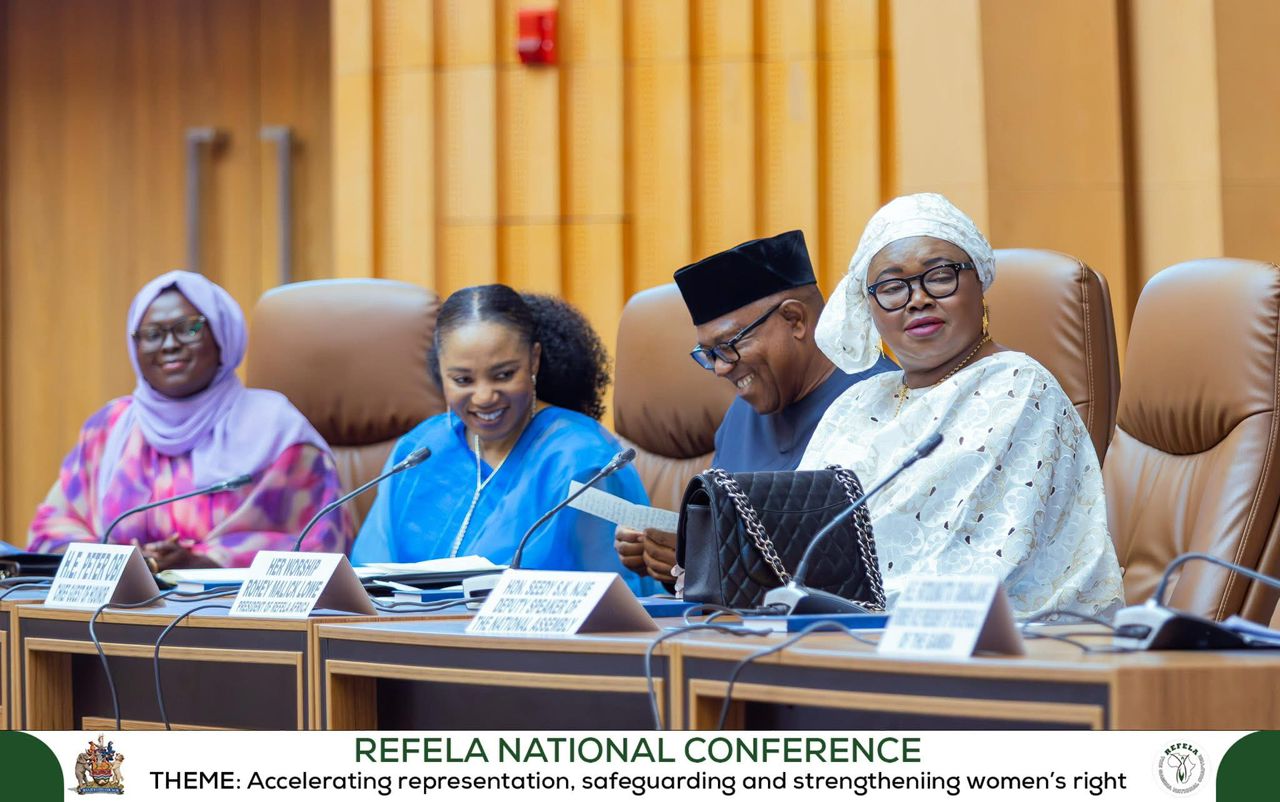
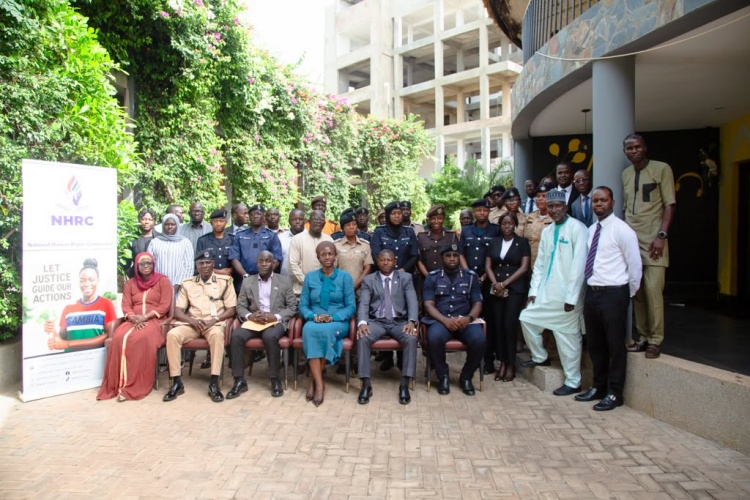
Gambiaj.com – (BANJUL, The Gambia) – I was honored to attend the Network for Locally Elected Women of Africa (REFELA) National Conference as a guest of the Lord Mayor of Banjul, Her Worship Rohey Malick Lowe, President of REFELA Africa. Held on 10 March 2026 at the Sir Dawda Kairaba Jawara International Conference Centre, the conference brought together women leaders from across the country to reflect on leadership and empowerment.
Mayor Lowe holds a historic distinction as the first woman elected Mayor of Banjul and the first to win re-election for a second consecutive term. As a Banjulian, I take pride in having her serve as my Mayor.
As the world observes International Women’s Month, The Gambia has an opportunity to reflect on progress made, challenges that persist, and the opportunities ahead to strengthen women’s empowerment across all sectors.
“Will The Gambia be the nation that protects and empowers its women?” — Lord Mayor of Banjul, Rohey Malick Lowe.
The conference highlighted important achievements, including growing female participation in municipal leadership, expanded access to education and healthcare, and initiatives strengthening women’s roles in community decision-making.
By situating the gathering within International Women’s Month, the event underscored both the progress made and the work that remains.
Women at the Heart of National Life
Women have long been central to sustaining communities, building economic networks, and contributing to national development. Market women connect rural producers to urban markets; educators and nurses expand social services; and female leaders increasingly contribute to public life.
During periods of political uncertainty, the resilience of Gambian women has been particularly evident. Many carried their babies on their backs as they crossed into Senegal seeking safety, demonstrating courage and determination. Their commitment to family and community often provides a steady foundation even in times of crisis.
In my own life, my late mother held our family together during turbulent moments, encouraging calm, perseverance, and prayer for the well-being of our nation. That same spirit lives on in my wife, daughters, and sisters, whose wisdom and support enrich my life.
Former Vice President Fatoumata Tambajang has similarly emphasized the importance of maintaining peace in moments of tension, noting that restraint and stability are essential for national survival.
Faith and the Dignity of Women
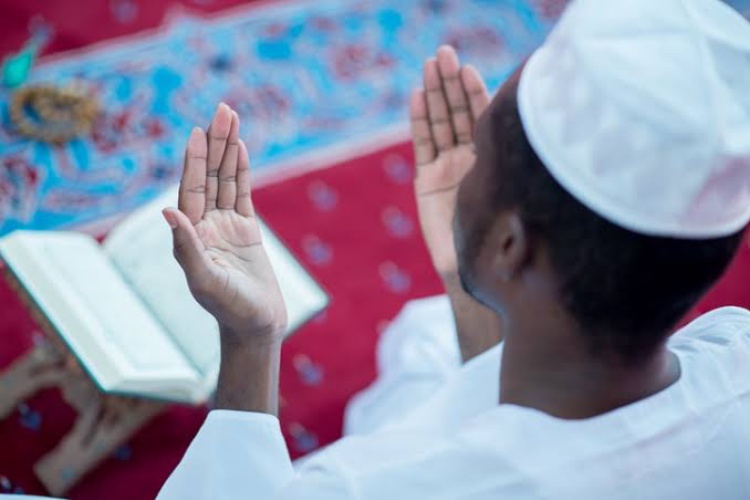
Islamic teachings affirm the dignity and worth of women. Surah An-Nisa (4:1) reminds humanity that all people are created from a single soul, establishing equality in essence and rights.
Surah Maryam celebrates the faith and virtue of women who uphold moral values. Surah Al-Mujadila acknowledges women advocating for justice, while Surah Al-Hujurat calls for respect and fairness among all people.
The Prophet Muhammad (Peace Be Upon Him) consistently emphasized compassion and respect for women, stating, “The best of you are those who are best to their wives” (Tirmidhi).
During his time, women actively participated in society, contributing to knowledge, commerce, and governance. These lessons remain deeply relevant to The Gambia today.
Protection and Empowerment as National Imperatives
Protection goes beyond safeguarding women from violence. It requires ensuring that laws, institutions, and social norms uphold dignity, fairness, and equal opportunity.
Empowerment, meanwhile, means creating conditions that allow women to participate fully in education, economic life, and public decision-making. Local governments in particular provide an important platform for women to shape community life and influence national progress.
At the Banjul REFELA Conference, the Lord Mayor of Leeds shared a message that resonated strongly: “Caring is what you do, not what you say.” True empowerment, therefore, must be demonstrated through action.
Across The Gambia, initiatives in local governance and economic empowerment are translating commitments into practical improvements, even as more work remains.
A Global Perspective
Despite global progress, women remain under-represented in leadership. According to UN Women (2025), women hold only about 27 percent of parliamentary seats worldwide and less than 23 percent of cabinet positions, despite making up roughly half the global population.
Where women are deliberately included, national development often accelerates. Bangladesh’s garment sector, for example, illustrates how women’s economic participation can drive both growth and social transformation.
Gambian history offers similar lessons. Women have always sustained communities through trade, education, and public service. Respecting and empowering them is not an act of charity or privilege; it is recognition of their central role in society’s well-being.
The Challenge Ahead
Significant barriers remain, particularly in political representation, economic opportunity, and protection from discrimination and violence. Addressing these challenges requires consistent enforcement of laws, strong institutions, and sustained access to education and leadership opportunities.
The empowerment of women must therefore be seen as central to national progress, not a secondary concern.
Will The Gambia become a nation where women are fully protected, respected, and able to participate equally in shaping the country’s future? The answer will depend on the decisions we make, the policies we implement, and the values we uphold.
Ultimately, the measure of any society is how it treats its women. A nation that safeguards their dignity, nurtures their leadership, and values their contributions lays the foundation for a stronger, fairer, and more prosperous future.
Guided by Qur’anic principles and the teachings of the Prophet Muhammad (Peace Be Upon Him), The Gambia possesses the moral and spiritual compass to become that nation.





Leave a Reply