


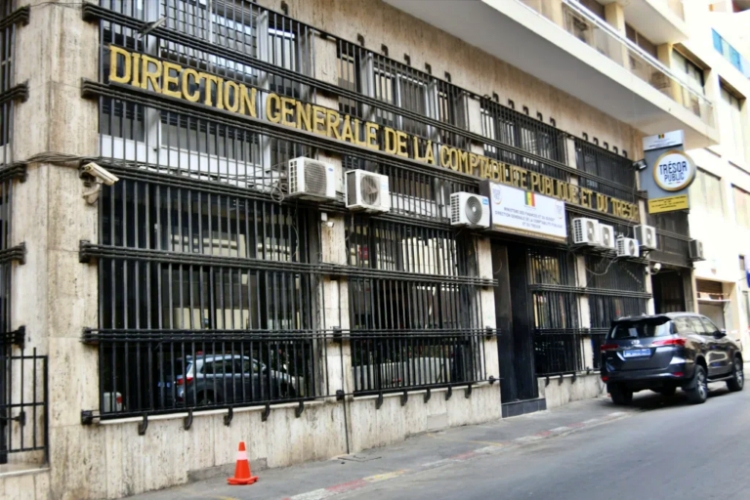
Gambiaj.com – (DAKAR, Senegal) – Senegal’s Directorate General of Public Accounting and the Treasury (DGCPT) has confirmed a major security breach to its information systems, marking the third significant incident affecting the country’s financial infrastructure in less than a year.
In a statement issued Monday, Director General Amadou Tidiane Gaye said the disruption began on Sunday and affected “a significant portion” of the Treasury’s digital systems. He added that the institution had activated its business continuity plan and immediately introduced protective measures to contain the situation.
Authorities, however, did not disclose the exact nature of the incident or specify which public services had been impacted or taken offline.
The disruption prompted the Ministry of Finance and Budget to appeal for patience from the public while efforts continue to stabilize operations and limit the fallout.
The latest incident is not the first of its kind in Senegal’s financial administration. In October last year, the country’s Directorate General of Taxes and State Property (DGID) suffered a high-profile cyberattack claimed by the cyber-extortion group known as Black Shrantac.
The hackers alleged they had extracted nearly one terabyte of sensitive administrative and personal data and demanded a ransom of $250,000. Although investigations later cast doubt on the actual scale of the data breach, the attack raised serious concerns about the vulnerability of Senegal’s public digital infrastructure.
At the time, tax services were restored within twenty-four hours, but the recurrence of disruptions within key state financial institutions has renewed fears over national cybersecurity preparedness.
In February 2026, Senegal’s Directorate of File Automation (DAF) was reportedly targeted in what could be one of the largest cyberattacks in the country’s history.
According to reports, the hacker group known as “The Green Blood Group” claimed responsibility for the attack and alleged that it had stolen 139 terabytes of sensitive data.
The compromised database was said to contain information relating to the entire Senegalese population, including identity records, biometric data, electoral information, and immigration records.
The Treasury incident also reflects a wider rise in cyber threats across Africa. Data presented during the 2025 GITEX Africa summit showed a 14 percent increase in spyware attacks and a 26 percent rise in password-targeting malware attacks across the continent. More than 131.5 million web-based cyber threats were recorded in Africa in 2024 alone.
Cybersecurity experts have continued to urge governments and public institutions to strengthen their digital defenses through measures such as multi-factor authentication, regular data backups, and tighter controls on unsecured remote access systems.
As of Tuesday afternoon, Senegalese authorities had not provided a timeline for the full restoration of Treasury digital services.





Leave a Reply