



Gambiaj.com – (PARIS, France) – Chad’s decision to withdraw from the International Criminal Court (ICC) has triggered renewed debate over the future of international justice, with human rights lawyer Reed Brody arguing that the move came amid a broader campaign by the United States to weaken and ultimately dismantle the court.
The Chadian government announced on Monday, July 27, that it had formally notified the United Nations of its intention to withdraw from the Rome Statute, the treaty that established the ICC. N’Djamena justified the decision by citing what it described as the court’s limited effectiveness, inconsistent performance, and perceived selectivity, particularly against African countries.
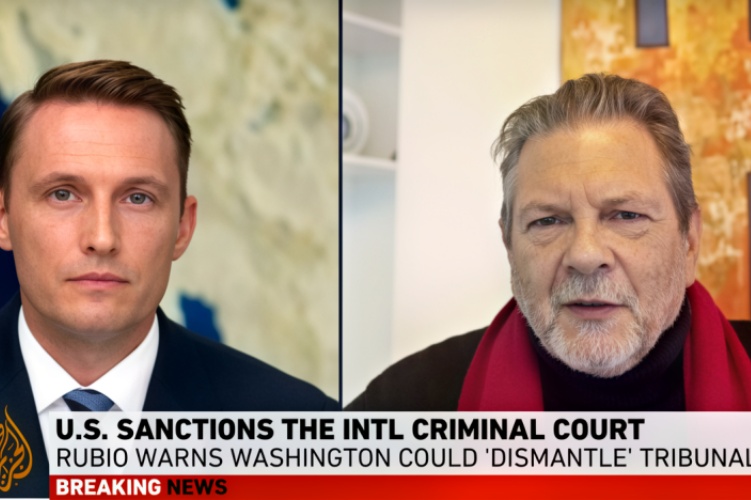
But in an interview with RFI, Brody, an American lawyer known for his work on international human rights cases and for helping pursue justice for victims of former Chadian dictator Hissène Habré, linked the timing of the decision directly to pressure from Washington.
Brody points to US diplomatic pressure.
Brody said US Secretary of State Marco Rubio announced on July 13 a campaign aimed at dismantling the ICC “brick by brick,” including diplomatic efforts to persuade member states to leave the Rome Statute.
According to Brody, the sequence of events involving Chad was particularly revealing. He said a senior US State Department official responsible for African affairs contacted Chad’s foreign minister and, according to an earlier Chadian government statement, asked N’Djamena to reconsider its membership of the Rome Statute.
“Four days later, N’Djamena announces its withdrawal,” Brody said, arguing that while the Chadian foreign minister subsequently denied that the decision was made at Washington’s request, the timing was difficult to ignore.
The United States subsequently welcomed Chad’s decision. The US Bureau of African Affairs described Chad’s move as part of a growing number of countries seeking to reclaim their sovereignty from what Washington considers a flawed institution.
Brody believes the pressure extends beyond Chad, suggesting that Washington is likely engaging other ICC member states behind the scenes.
Withdrawal will not shield Chad from past crimes.
Despite concerns that leaving the ICC could allow governments to avoid accountability, Brody stressed that the immediate legal consequences of Chad’s withdrawal are limited.
Under the Rome Statute, withdrawal takes effect only one year after notification. Chad would therefore remain a state party until July 2027. More importantly, withdrawal does not erase the ICC’s jurisdiction over crimes allegedly committed while the country was a party to the treaty.
Brody pointed to Burundi and the Philippines as examples. Burundi left the ICC in 2017, but an investigation into alleged crimes continued. The Philippines, which withdrew under former President Rodrigo Duterte in 2019, also remained subject to an ICC investigation.
“Leaving the court does not protect anyone from crimes already committed,” Brody said.
He added that Chad would continue to be required to cooperate with the court during the one-year withdrawal period. Chad has previously cooperated with ICC investigations linked to the conflict in Darfur and the Central African Republic.
Africa bias remains a contentious issue.
The Chadian government’s central criticism is that the ICC has disproportionately focused on Africa.
Brody acknowledged that the criticism was not without foundation, saying he had himself criticized the court’s record during its first years. The ICC’s early cases and convictions were overwhelmingly connected to African conflicts.
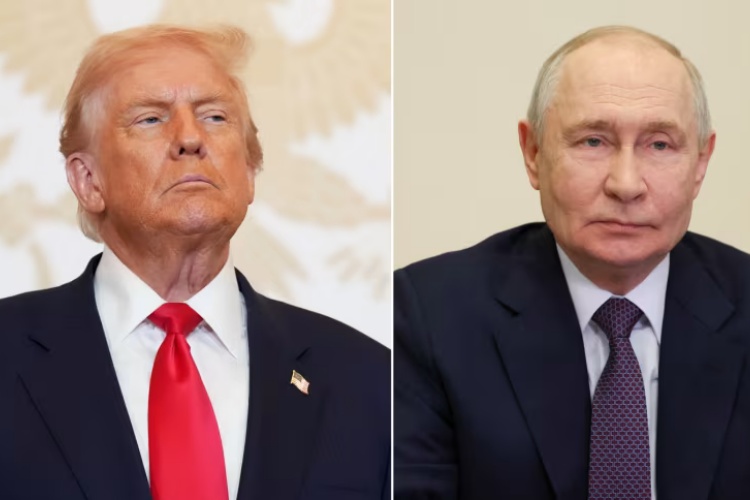
However, he argued that the court’s work has changed significantly since 2016. Investigations have since expanded to situations involving Georgia, Afghanistan, Myanmar, Venezuela, and Ukraine, including an arrest warrant for Russian President Vladimir Putin.
The ICC has also issued arrest warrants for Israeli Prime Minister Benjamin Netanyahu and former Defence Minister Yoav Gallant over alleged crimes connected to the Gaza conflict.
For Brody, that development is crucial to understanding the current confrontation with Washington.
He argued that the ICC’s decision to pursue Israeli officials marked a turning point because, for the first time, the court had moved against senior figures from a Western or pro-Western state.
“Washington is not sanctioning it because it is unfair to Africa,” Brody argued. “Washington is sanctioning it because it dared to touch Israel.”
Fear of more African withdrawals
Chad is the latest African country to initiate withdrawal proceedings from the ICC, following Niger, Mali, and Burkina Faso, which announced similar moves in 2025. Venezuela has also recently begun the withdrawal process.
The developments have raised concerns that sustained US diplomatic pressure could encourage more African countries to abandon the court.
Brody said he would not be surprised if additional withdrawals followed, given what he described as Washington’s pressure on ICC member states.
But he argued that countries committed to international justice should respond by strengthening rather than abandoning the institution.
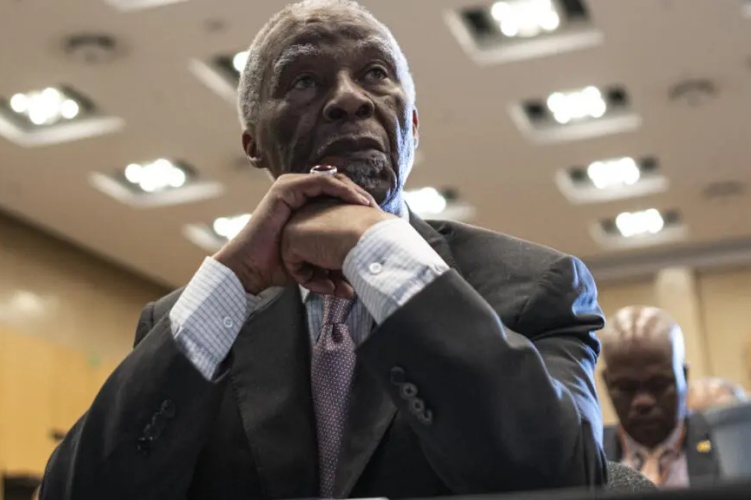
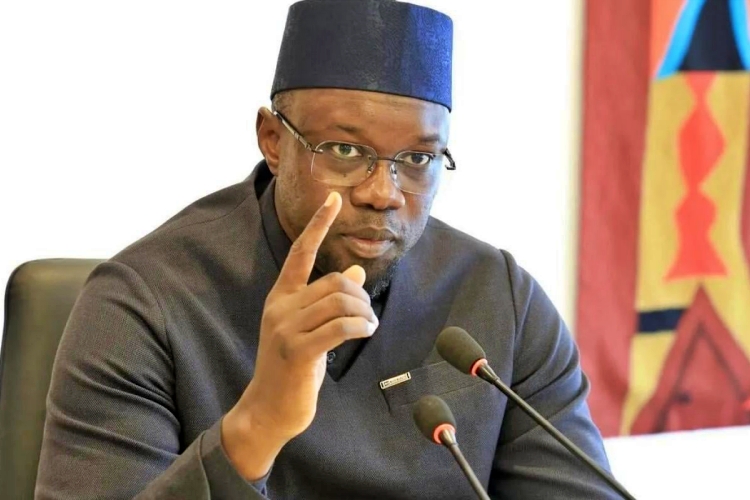
He specifically pointed to South Africa and Senegal as countries that could take the lead in developing a counter-strategy and encouraging wider African support for the ICC.
Brody said the ultimate objective should be to make international criminal justice genuinely universal rather than allowing it to become a system that is perceived as selectively applied against particular regions.









Leave a Reply