


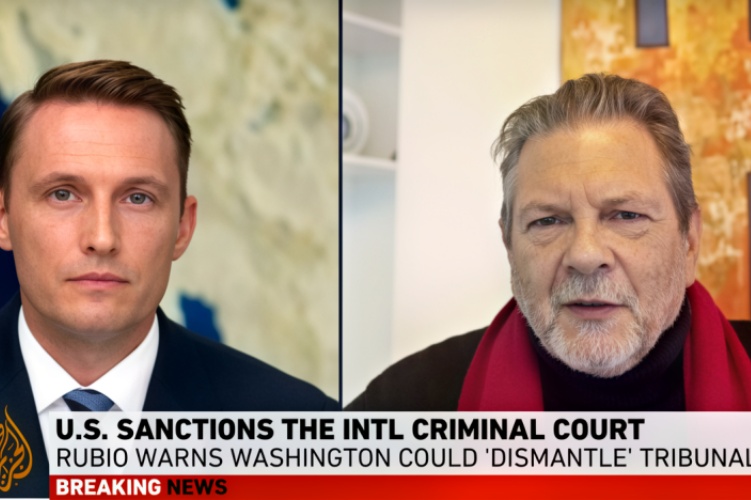
Gambiaj.com – (NEW YORK, United States) – A war crimes lawyer and former prosecutor has described the Trump administration’s new sanctions against the International Criminal Court (ICC) as an effort to obstruct accountability for alleged international crimes, rejecting Washington’s argument that the measures are necessary to defend US sovereignty.
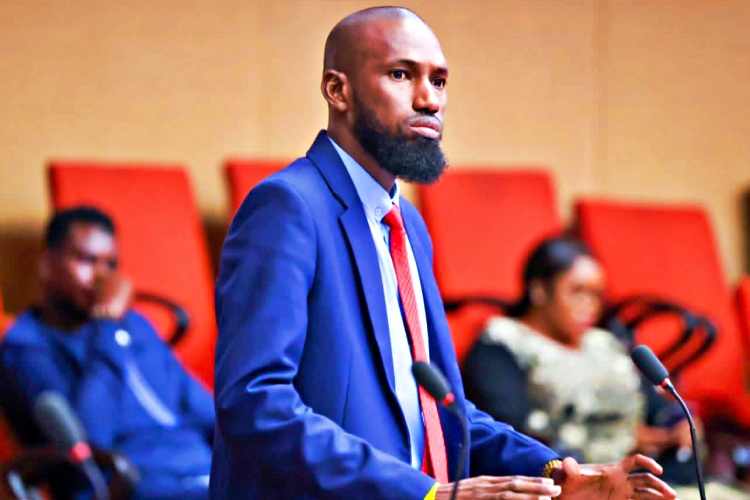
Reid Brody, a member of the International Commission of Jurists, made the remarks in an interview from New York after the United States announced sweeping sanctions targeting the ICC on Friday. The measures seek to restrict the court’s access to US financial services, technology, and dollar transactions, with American entities given six months to sever business ties with the court.
US Secretary of State Marco Rubio described the ICC as a “rogue court” and said Washington intended to cut off its resources and ultimately end its ability to operate against the United States.
Brody rejected that justification.
“This is not a defence of American sovereignty against a runaway court,” he said, arguing that the measures were instead aimed at preventing accountability for alleged crimes committed by US officials.
He cited US military actions in Iran and Venezuela, as well as the treatment of migrants sent to a Salvadoran prison, as examples of conduct that could potentially raise questions under international criminal law.
ICC jurisdiction and US citizens
Brody also challenged the argument that the ICC cannot exercise jurisdiction over American citizens because the United States has not ratified the Rome Statute, the treaty that established the court.
He said the key issue was not the nationality of an alleged offender but where the alleged crime took place and whether that territory falls within the ICC’s jurisdiction.
“If an American commits crimes in America, the ICC has no jurisdiction,” he said. “But if an American commits crimes on the territory of a country that has ratified the treaty … then there’s no legal problem.”
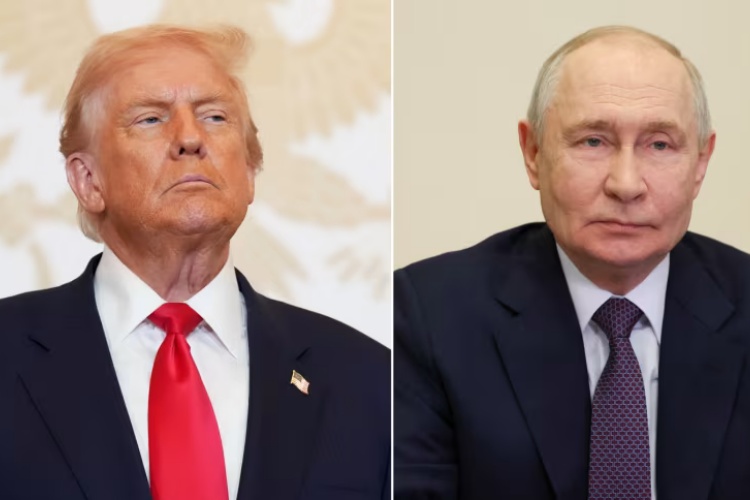
He pointed to Ukraine and Palestine as examples, noting that Russian President Vladimir Putin and Israeli officials have faced ICC scrutiny over alleged crimes committed in territories where the court has jurisdiction, despite Russia and Israel not being parties to the Rome Statute.
The ICC was established to prosecute genocide, crimes against humanity, war crimes, and, under defined circumstances, aggression. The court says the latest US measures amount to an attempt to obstruct its work and undermine the international legal order.
‘A wrecking ball’ against the court
Brody said the latest measures represented a significant escalation from the Trump administration’s earlier sanctions against individual ICC officials.
“Today, it’s sanctioning the court itself,” he said. “Marco Rubio talked about dismantling the court brick by brick. Today, he brought a wrecking ball.”
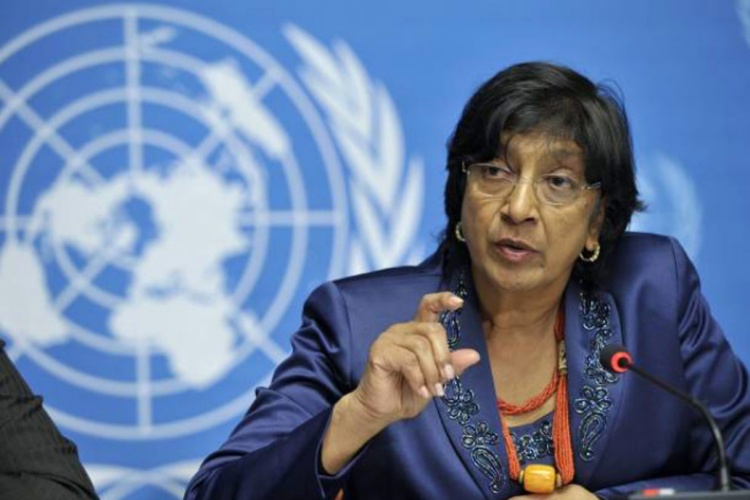
The timing of the announcement was particularly striking, he argued, because it came just hours after South African jurist Navi Pillay, a former ICC judge, was awarded the 2026 Nobel Peace Prize for her work promoting peace and international law.
The Norwegian Nobel Committee said Pillay had played an important role in efforts to ensure that war crimes, crimes against humanity, and genocide are prosecuted.
Brody said the timing was probably coincidental because Washington had already indicated that further sanctions were coming. But he argued that the coincidence highlighted the contrasting positions being taken towards international law.
Pillay, who has also served as UN High Commissioner for Human Rights and on international judicial bodies, has spent decades working on international justice, including at the International Criminal Tribunal for Rwanda and the ICC.
Her Nobel award came on the same day that Washington announced the new sanctions, prompting the ICC and international rights organizations to warn about the wider implications for international justice. Several US allies, including Britain, France, Germany, Italy, Japan, Canada, and the Netherlands, have also expressed opposition to the sanctions.
Brody said the coincidence illustrated the broader tension surrounding the international legal system, with institutions such as the ICC facing increasing pressure from powerful states.
The United States, however, maintains that the ICC’s investigations into Americans and US allies violate national sovereignty and has repeatedly rejected the court’s jurisdiction over US nationals.










Leave a Reply