


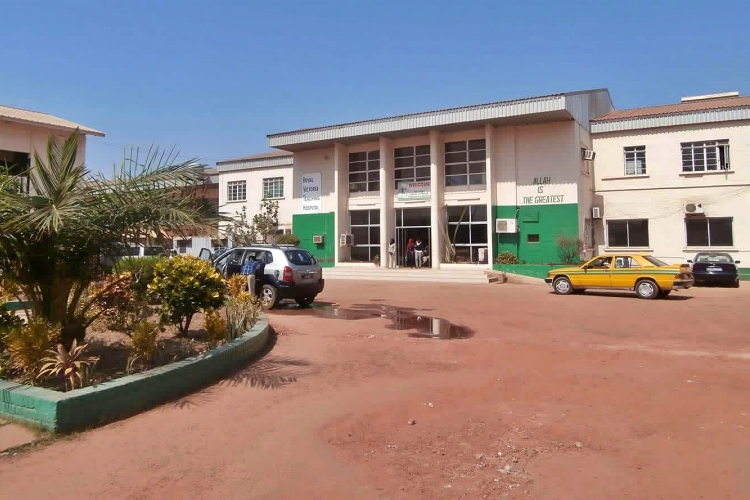
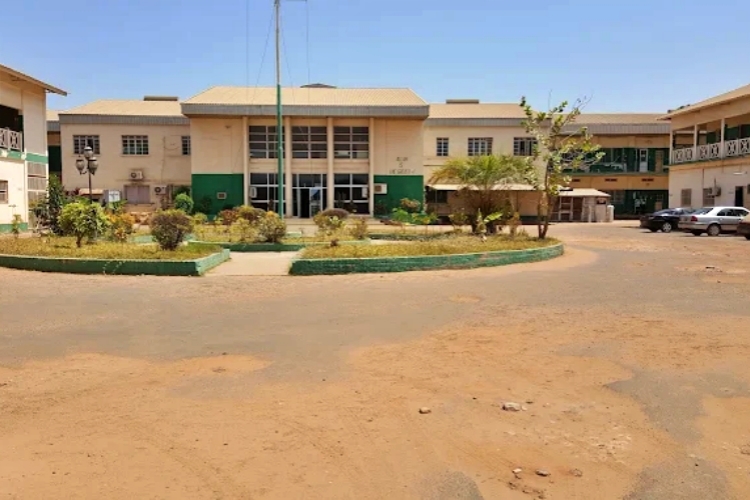
Gambiaj.com – (BANJUL, The Gambia) – Patients and visitors at the Edward Francis Small Teaching Hospital have raised fresh concerns over deteriorating conditions in public health facilities, citing long waiting hours, medicine shortages, overcrowding, and rising treatment costs.
The complaints come amid ongoing public debate over the recent increase in hospital consultation fees from D25 to D100, a move health authorities have defended as necessary to sustain operations and improve service delivery.
Speaking on the hospital grounds in Banjul, several patients described the difficulties they face in accessing timely healthcare services.
Mariama Sarr, a patient from Brikama, said the situation at the country’s main referral hospital has become increasingly challenging for ordinary citizens.
“We wait all day just to see a doctor,” she said. “You come early in the morning and still leave in the evening without proper attention sometimes. It is stressful, especially for sick people.”
Lamin Jarju from Bundung echoed similar concerns, saying patients are often forced to buy medication from private pharmacies after enduring long delays at the hospital.
“After waiting for hours, you are told the drugs are not available and you have to go to private pharmacies,” he said. “Many people cannot afford that extra cost.”
Fatou Jallow, who accompanied her elderly mother for treatment, said despite the difficulties, public hospitals remain the only option for many Gambian families.
“We don’t have money for private clinics,” she said. “So we endure the long queues, but the system needs improvement because people are suffering.”
At the Serrekunda Major Health Centre, Momodou Bah, a resident of Tallinding, also identified overcrowding as a major challenge affecting service delivery.
“The number of patients is too high compared to the staff available,” he said. “You can see the health workers are overwhelmed, but they are trying their best.”
The concerns reflect broader pressure on the country’s public health infrastructure, particularly at major referral facilities such as the Edward Francis Small Teaching Hospital, which serves as The Gambia’s principal tertiary healthcare institution.
Health authorities have previously attributed challenges in service delivery to rising operational costs, supply chain constraints, and maintenance demands across the sector, factors they say informed the recent adjustment in consultation fees.
For many patients, however, the immediate reality remains long queues, limited medical supplies, and growing out-of-pocket expenses, prompting renewed calls for reforms aimed at improving both efficiency and affordability within the public health system.














Leave a Reply