


Gambiaj.com – (BANJUL, The Gambia) – An official of Amnesty International has raised alarm over what he described as growing repression, enforced disappearances, killings of protesters, and attacks on critics across East Africa, warning that governments are increasingly invoking national security to silence dissent.
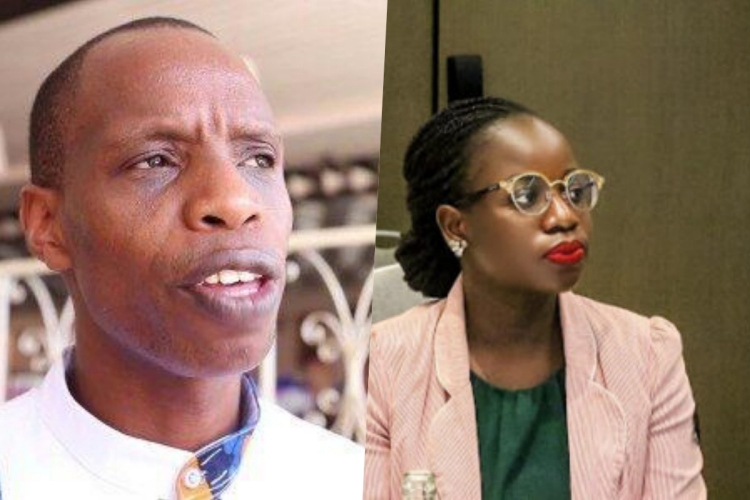
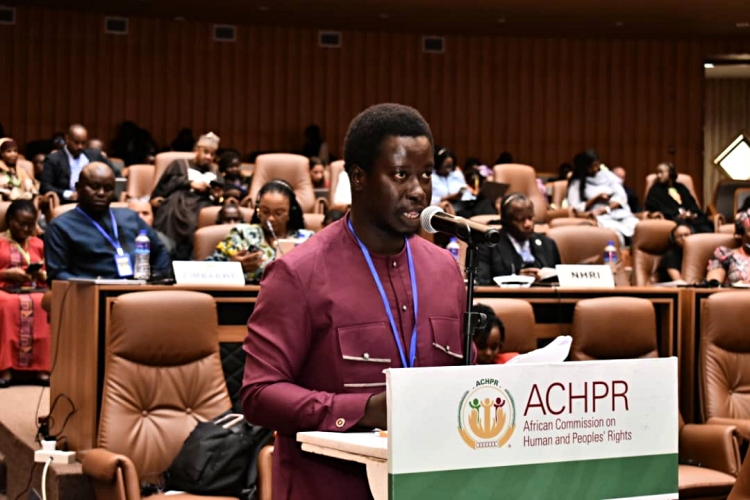
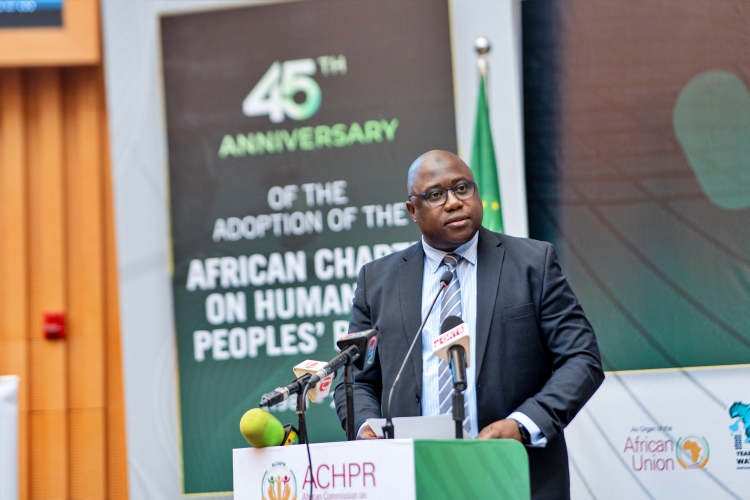
Speaking to this medium on the sidelines of the 87th Ordinary Session of the African Commission on Human and Peoples’ Rights in Banjul, Japheth Biegon said the human rights situation in countries such as Uganda, Tanzania, and Kenya has deteriorated in recent years.
“In all three countries we have seen authorities or governments muzzling critics and dissent,” Biegon said.
He said Amnesty International has documented what it sees as a pattern of excessive force by security agencies, including the use of lethal force against protesters and activists demanding accountability from governments.
“In Kenya in 2024 and 2025, security forces used lethal force to kill young Gen Z protesters,” he said. “In Tanzania, during the elections, hundreds of people were killed because of disproportionate force used by security forces after the internet was shut down.”
Biegon also referred to Uganda’s January 2026 elections, where Amnesty documented at least 16 deaths allegedly linked to excessive force by security agencies.
“Across the region we’ve seen arbitrary arrests, enforced disappearances, and torture, especially targeting opposition supporters, activists, and government critics,” he added.
National Security Laws ‘Weaponised’ Against Critics
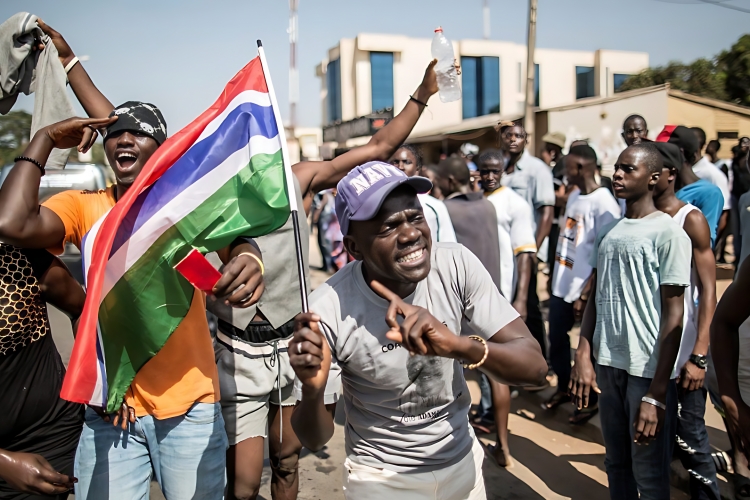
His comments come amid growing debate in The Gambia over the treatment of activists and protesters, particularly following demonstrations organized by the youth-led movement Gambians Against Looted Assets (GALA), which emerged after public concerns surrounding the sale of assets linked to former President Yahya Jammeh.
Responding to questions about governments increasingly treating activism and digital mobilization as threats to national security, Biegon said authorities across Africa often misuse security laws to target independent voices.
“The question of national security is simply a pretext for authorities and governments to muzzle independent voices, journalists, civil society activists, and human rights defenders,” he said.
“It becomes dangerous when states weaponize laws against people demanding accountability.”
Despite mounting pressure on activists and journalists, Biegon said continued resistance from citizens across the continent remained a source of hope.
“People are braving state excesses to continue demanding accountability and human rights. That gives us hope,” he stated.
He also called on African governments to uphold their obligations under the African Charter on Human and Peoples’ Rights, noting that nearly all African states have ratified the charter.
“The act of ratification means governments have an obligation to respect human rights,” he said.
Calls for Regional Action Against Transnational Repression
Biegon further warned about what he described as rising cases of transnational repression in East Africa, where governments allegedly target critics beyond their borders.
He referenced the detention of Ugandan opposition figure Kizza Besigye and alleged incidents involving Kenyan activist Boniface Mwangi and Ugandan activist Agatha in Tanzania.
“What we were calling for at this event is for the African Commission to take action against transnational repression in East Africa,” Biegon said.
He urged the Commission to conduct independent investigations into killings linked to recent elections in Tanzania and Uganda.
On accountability mechanisms, Biegon said victims of human rights abuses could seek justice through domestic courts, but regional institutions also remained important when national systems failed.
“They can come to regional bodies like the African Commission or the African Court on Human and Peoples’ Rights when they fail to get justice at home,” he explained.
Asked about the role of solidarity and collective action across Africa, Biegon said governments’ reactions to activism demonstrated that public pressure was having an impact.
“It tells us that collective action and solidarity are working,” he said. “Solidarity puts pressure on governments to do the right thing.”
Also speaking during the panel discussion was Sarah Wesonga of ARTICLE 19, who highlighted concerns around freedom of expression, access to information, misinformation, disinformation, and the growing use of transnational repression against journalists and human rights defenders.
Wesonga also stressed the importance of stronger legal and policy frameworks, as well as closer collaboration with civil society organizations, to safeguard digital rights and freedom of expression across Africa.
She further referenced ongoing discussions around revised declarations on freedom of expression and digital rights on the continent.





Leave a Reply