


Gambiaj.com – (BANJUL, The Gambia) – Health officials, researchers, and international partners have warned that The Gambia risks undermining progress against tuberculosis (TB) unless scientific research is translated more rapidly into policies and interventions that directly benefit affected communities.
The warning was issued during the country’s first International Tuberculosis Scientific Forum, where experts gathered to explore how evidence-based research can strengthen the prevention, diagnosis, and treatment of a disease that remains a major public health concern despite being both preventable and curable.
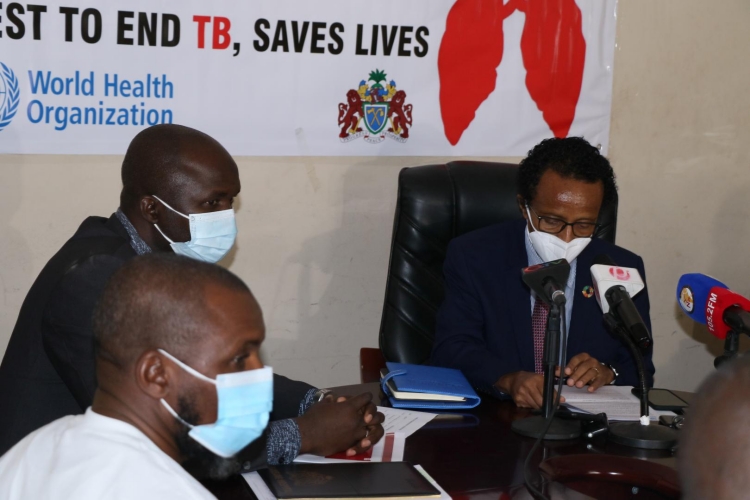
Opening the forum, Permanent Secretary at the Ministry of Health Lamin Dampha said The Gambia has recorded notable gains in recent years through improved disease surveillance, expanded diagnostic services, and stronger community engagement. However, he acknowledged that tuberculosis continues to pose significant challenges.
“The emergence of drug-resistant TB, the burden of TB-HIV co-infection, and gaps in case detection remind us that much work remains to be done,” he said.
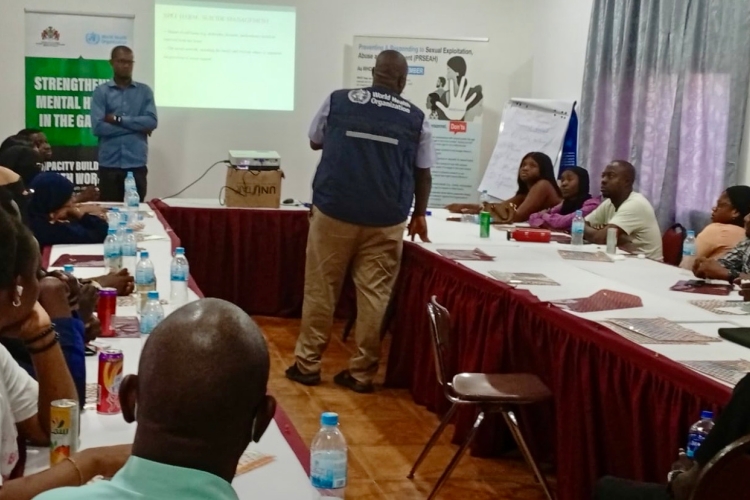
Held under the theme “Advancing Evidence to End TB in The Gambia: From Research to Impact,” the forum brought together health experts, researchers, and development partners from across Africa and Europe.
A central theme throughout the discussions was the need to ensure that research findings do not remain confined to academic publications and scientific conferences but are converted into practical actions that improve public health outcomes.
“The true value of research lies in its ability to inform action, improve service delivery, and ultimately save lives,” Dampha told participants.
The concern was echoed by the World Health Organization (WHO) Representative to The Gambia, Dr. Nathan Bakyaita, who said the country’s experience mirrors a broader global challenge in the fight against tuberculosis.
According to WHO estimates, more than 10 million people develop tuberculosis annually, while over one million die from the disease, making it the world’s deadliest infectious disease.
Dr. Bakyaita commended The Gambia’s efforts to strengthen case detection and expand access to rapid diagnostic technologies but cautioned that drug-resistant TB continues to threaten progress.
“A key challenge is ensuring that evidence is translated into policy and practice. Too often, research findings do not move quickly enough into implementation,” he said.
He urged governments, researchers, and development partners to strengthen collaboration to ensure that health policies and programs are guided by data and proven interventions.
The forum also highlighted The Gambia’s contribution to global tuberculosis research through partnerships with institutions such as the Medical Research Council Unit The Gambia at the London School of Hygiene and Tropical Medicine (MRCG at LSHTM).
In a statement delivered on his behalf by Permanent Secretary Dampha, Health Minister Dr. Ahmadou Lamin Samateh said research conducted in The Gambia has significantly advanced global understanding of TB epidemiology, diagnostics, and treatment.
However, he stressed that scientific evidence generated in laboratories and research centers must ultimately be translated into practical solutions capable of improving the lives of ordinary people.
Researchers attending the forum identified several persistent barriers to TB control, including late diagnosis, stigma, poverty, and unequal access to healthcare services.
Dr. Boyira Awvolaban of MRCG noted that communities affected by tuberculosis remain insufficiently involved in research processes despite their firsthand experience with the disease.
“The TB field continues to fall short of meaningfully engaging communities in TB research,” she said.
She argued that greater involvement of patients and affected communities would improve the quality, relevance, and long-term impact of research findings.
Participants also called for increased investment in innovation, including new diagnostic tools, digital health technologies, and vaccine development.
Director of Health Research Dr. Buba Manjang said the success of research should not be measured solely by the number of studies conducted but by the tangible improvements it delivers in people’s lives.
“The ultimate measure of success is impact,” he said, adding that scientific evidence should contribute to earlier diagnosis, better treatment outcomes, reduced transmission, and stronger health systems.
For health authorities, the forum served as more than a scientific gathering. It underscored the need for a broader, multi-sectoral response to tuberculosis, including efforts to address poverty, overcrowding, malnutrition, and stigma-factors that continue to fuel the spread of the disease.
As the forum concluded, participants agreed that while The Gambia has made important strides in combating tuberculosis, achieving global targets to end the disease will depend largely on how effectively research findings are transformed into policies, programs, and services that reach the communities most at risk.















Leave a Reply