


Gambiaj.com – (OUAGADOUGOU, Burkina Faso) – In a move that underscores the deepening ideological transformation underway in Burkina Faso, Prime Minister Jean Emmanuel Ouédraogo has directed that the term “camarade,” meaning “comrade,” be used universally across all government ministries, institutions, official speeches, and administrative correspondence, effective June 1, 2025.
The directive, which has been circulating in an administrative note sent to all state institutions, signals the transitional military government’s most explicit alignment yet with revolutionary socialist language, a semantic shift that observers say is both symbolic and ideological.
Under the new rule, all public officials, from cabinet ministers to civil servants, are required to address one another as “comrade” in all formal and official contexts.
A Language of Revolution
In the directive, Prime Minister Ouédraogo stated that the adoption of the term is intended to reflect what he described as the spirit of equality, fraternity, and solidarity between the country’s leaders and its people.
He further asserted that this shift in language would propel Burkina Faso toward the building of the Faso Nouveau, the “New Faso,” the transitional government’s declared vision for a transformed nation.
The instruction forms part of the broader ideological framework of what Burkinabè authorities call the Révolution progressiste et populaire, the Progressive and Popular Revolution, the overarching doctrine the current junta has been crafting since seizing power.
A Pattern of Ideological Rebranding
This is not the first time the junta has restructured the language and identity of state institutions to reflect its revolutionary outlook. In January, the government renamed several key ministries in ways that drew both attention and commentary across the continent.
The Ministry of Civil Service, Labour, and Social Security was rechristened the “Ministry for Servants of the People,” while the Ministry of Defence was renamed the “Ministry of War and Patriotic Defence,” names that carry unmistakable ideological undertones evoking both Marxist-Leninist traditions and pan-Africanist militarism.
The latest directive requiring the use of “comrade” appears to be a continuation of this deliberate effort to construct a new vocabulary of governance, one that the junta hopes will reinforce solidarity between the state and citizens, even as the country navigates significant security challenges, including an ongoing insurgency in large parts of its territory.
Significance Beyond Symbolism
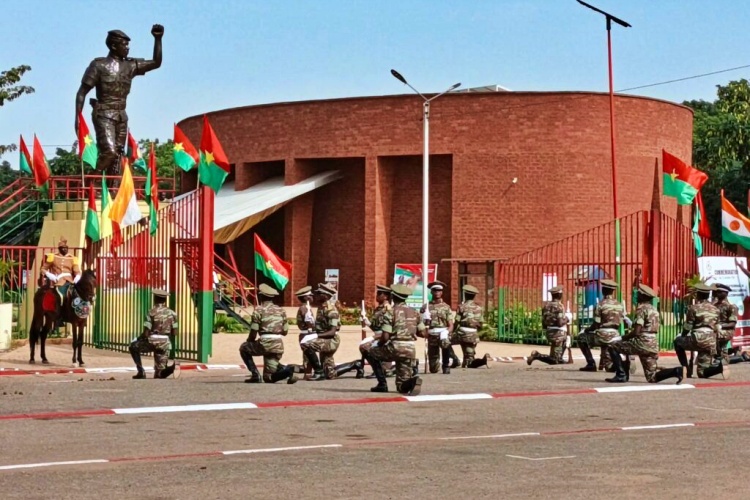
For political analysts, the directive invites comparisons to past revolutionary movements on the continent, from Mozambique’s Frelimo to Thomas Sankara’s own revolutionary Burkina Faso of the 1980s, when Ouagadougou itself was briefly renamed and the country was transformed by an ideological fervor that Sankara called the Révolution Démocratique et Populaire.
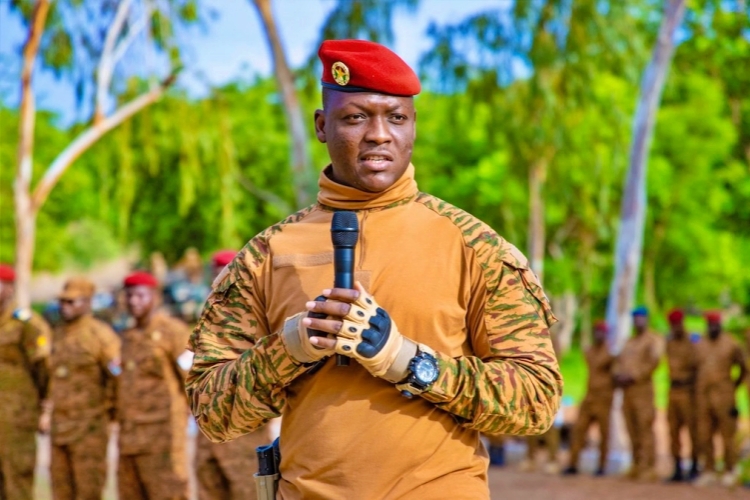
Indeed, the current junta, led by Captain Ibrahim Traoré, one of the youngest heads of state in the world, has openly drawn inspiration from Sankara, widely regarded in Burkina Faso and across Africa as a revolutionary icon.
The word “comrade” carries a particular political weight. Historically embedded in socialist and communist movements, it was used extensively in the Soviet Union, Cuba, China, and various African liberation movements as a term meant to dissolve hierarchies and assert the political equality of all citizens before the state.
Whether it achieves those ends in contemporary Burkina Faso, or whether it functions primarily as political theatre, remains to be seen. What is clear is that the junta is methodically building a lexical and institutional architecture for the kind of revolutionary state it envisions.
For now, Burkina Faso’s civil servants are adjusting, at least in official documents and formal meetings, to greeting each other not as Monsieur le Ministre or Madame la Directrice, but simply as camarade.


Leave a Reply