


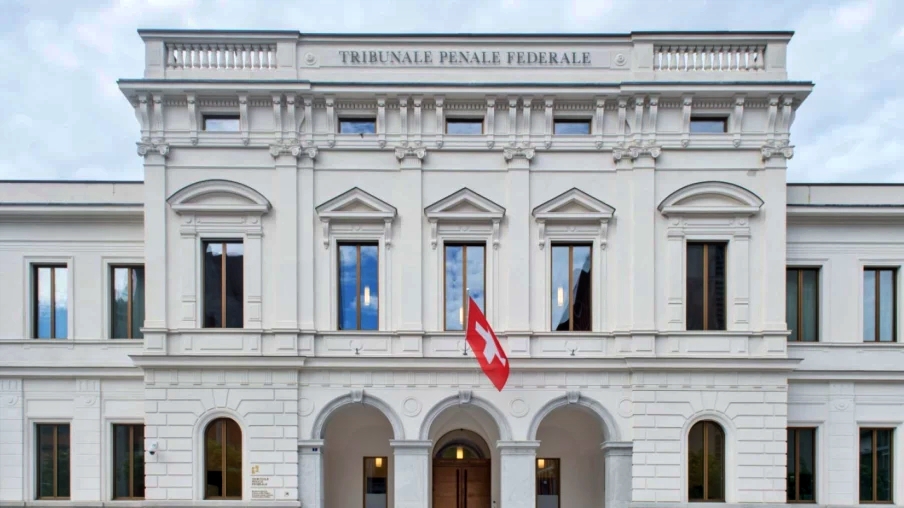
Gambiaj.com – (BANJUL, The Gambia) – The Swiss Federal Criminal Court is expected to decide today whether the appeal proceedings in the case of Ousman Sonko will move forward in full, following two days of legal arguments focused on procedural objections raised by the defense.
The anticipated ruling comes after Sonko’s lawyers challenged Switzerland’s jurisdiction over parts of the case, particularly allegations linked to crimes said to have been committed between 2000 and 2006.
The defense also asked the court to dismiss certain appeals filed by victims involved in the proceedings.
On Tuesday, the second day of hearings, prosecutors from the Office of the Attorney General of Switzerland maintained that Sonko can be prosecuted in Switzerland for all the alleged acts outlined in the case.
Their position directly counters the defense argument presented earlier that Swiss courts lack authority to examine some of the alleged crimes.
Lawyers representing the plaintiffs also rejected the defense’s objections, urging the court to dismiss the requests and allow the appeal process to proceed without limitation.
On Monday, Sonko’s legal team had spent several hours contesting the competence of Swiss authorities to pursue certain charges.
Both prosecutors and representatives of the complainants cited customary international law and the ruling issued during the original trial, when judges determined that Swiss courts had jurisdiction to hear the case.
They also referred to a previous prosecution before the same court involving Alieu Kosiah, which addressed crimes against humanity.
Disputes Echo 2024 Trial
The legal exchanges reflect disputes raised during the 2024 trial, when the Swiss court convicted Sonko and sentenced him to 20 years in prison for crimes against humanity committed during the rule of former Gambian leader Yahya Jammeh.
Judges found that Sonko had taken part in systematic attacks against civilians and held him responsible for acts including torture, unlawful detention, and killings.
The court’s decision on the preliminary issues will determine the scope of the appeal proceedings and whether all aspects of the case will be reconsidered when the chamber proceeds to hear witnesses and examine the substance of the allegations.
Key Issues Under Appeal
The appeal involves challenges from multiple parties. While Sonko is contesting his conviction in its entirety, prosecutors and some plaintiffs are seeking reconsideration of specific legal interpretations made in the original ruling.
Among the disputed matters are how certain acts of sexual violence were legally characterized by the trial court. In one instance, the first-instance judges concluded that a plaintiff’s experience was privately motivated rather than part of a broader systematic attack on civilians.
In another case, acts that caused pain to the genitals were recognized as torture but not classified as sexual violence.
Those interpretations are now being challenged on appeal, with plaintiffs arguing that the legal classifications should be revised.
The appeal trial allows the Higher Appeals Chamber of the Swiss court to conduct a comprehensive review of both the factual findings and legal interpretations from the original proceedings. Judges have the authority to hear new witnesses, reassess evidence, and adjust the sentence if deemed necessary.
After the appeal stage, the parties may still bring the matter before the Swiss Federal Supreme Court, which primarily reviews questions of law.
Jurisdiction at the Heart of the Case
A central issue raised by the defense concerns the time frame of the alleged crimes. Although the indictment covers acts committed between 2006 and 2016, lawyers argue that Swiss legislation allowing the prosecution of crimes against humanity only entered into force in 2011.
They therefore contend that the court lacks competence to examine allegations predating that provision.
Sonko’s prosecution has drawn significant international attention because he is the highest-ranking Gambian official to be tried abroad for alleged crimes committed under Jammeh’s rule.
The case is widely regarded as a major test of international accountability efforts tied to abuses during that period, alongside other prosecutions in Europe and the United States linked to crimes committed in The Gambia.
Sonko, who previously served as commander of the State Guard and later as Inspector General of Police, was prosecuted in Switzerland under the principle of universal jurisdiction, which allows national courts to try individuals suspected of serious international crimes regardless of where the offenses were committed.





Leave a Reply