


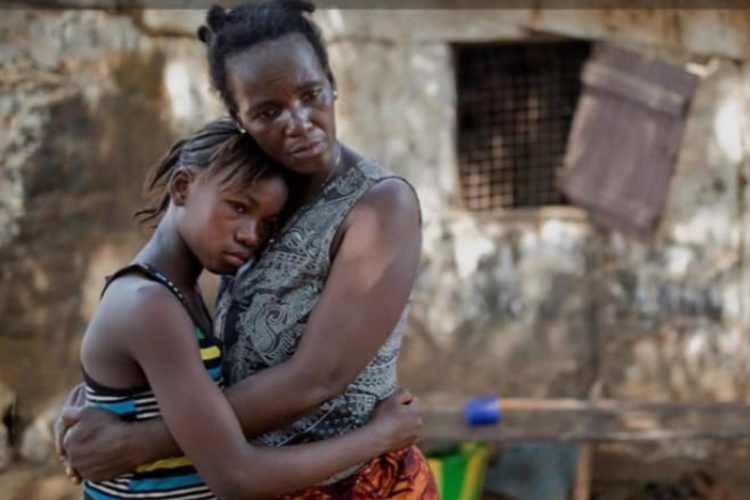
Gambiaj.com – (MELBOURNE, Australia) – United Nations Population Fund (UNFPA), in partnership with MSI Reproductive Choices, has unveiled a landmark publication aimed at redefining violence against women and girls by formally identifying reproductive violence as a distinct category of gender-based abuse.
The report, Shining a Light on Reproductive Violence, was launched during Women Deliver 2026, a major international gathering that brought together more than 6,000 participants from across the world.
Developed alongside 13 global organizations, the paper consolidates a range of harmful practices, including forced sterilization, reproductive coercion, obstetric violence, and denial of abortion care, under a single, comprehensive framework for the first time.
UNFPA said the initiative seeks to address long-standing gaps in both protection and accountability, particularly as sexual and reproductive health and rights face increasing global contestation.
“At a time when sexual and reproductive health and rights are increasingly contested, the consequences for bodily autonomy, health, and survival can no longer be ignored,” said Pio Smith.
The framework defines reproductive violence as any conduct that undermines a woman’s reproductive autonomy, agency, and self-determination. This includes not only interpersonal abuse but also systemic forms of harm perpetuated through institutions, cultural norms, and legal structures.
For MSI Reproductive Choices, the publication reflects years of documenting less visible forms of control over women’s reproductive decisions. “This is about restoring agency,” said Bonney Corbin, Director of Policy and External Relations at MSI Asia Pacific.
The launch comes amid ongoing advocacy in countries such as The Gambia, where campaigners continue to push for stronger legal protections, safer health systems, and increased accountability for abuses that restrict bodily autonomy.
Stakeholders say the new framework could shape future advocacy, policy formulation, and legal reforms across health, human rights, and humanitarian sectors.
For many women, advocates note, the issue is deeply personal, centered on the fundamental ability to decide if, when, and under what conditions to have children, without coercion or harm.










Leave a Reply