


Gambiaj.com – (BANJUL, The Gambia) – As The Gambia moves closer to prosecuting crimes committed during former President Yahya Jammeh’s regime, one question continues to surface among many Gambians: if the Truth, Reconciliation, and Reparations Commission (TRRC) already investigated these crimes and identified alleged perpetrators, why do investigators have to start again?
The issue resurfaced during a recent engagement between the Alliance for Victim-Led Organizations (AVLO) and newly sworn-in Special Prosecutor Martin Hackett, who acknowledged that fresh investigations will be required before prosecutions can proceed.
For many victims and members of the public, this may appear confusing and even frustrating. But legal experts and transitional justice actors say there is a crucial distinction between the role of a truth commission and that of criminal prosecutors.
The TRRC Was Not a Criminal Court.
The TRRC was established to uncover the truth about human rights violations committed during Jammeh’s rule from July 1994 to January 2017. Its primary mandate was truth-telling, documentation, reconciliation, and recommending reparations and accountability measures.
Over nearly three years of public hearings, the commission heard testimony from victims, perpetrators, former security officers, and state officials. Its final report identified individuals allegedly linked to serious crimes, including torture, enforced disappearances, unlawful killings, sexual violence, and other abuses.
However, the TRRC was not a criminal court and did not determine criminal guilt or innocence.
Its findings are considered important historical and investigative records, but they do not automatically amount to criminal evidence that can secure convictions in court.
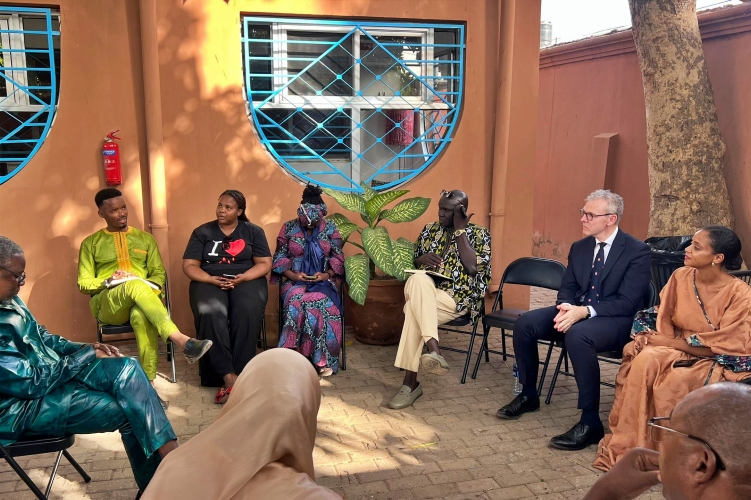
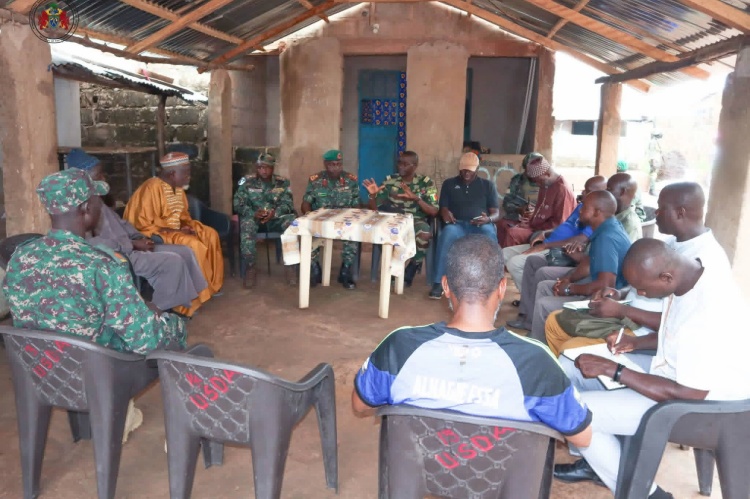
Our Legal Affairs reporter, Patience Mama Loum (second from top left), during the engagement between the Alliance for Victim-Led Organizations (AVLO) and newly appointed Special Prosecutor Martin Hackett.
Why Deeper Investigations Are to Begin
Unlike a truth commission, criminal prosecutions require evidence that satisfies strict legal standards.
Prosecutors must prove an accused person’s criminal responsibility beyond reasonable doubt, the highest standard of proof in criminal law. To meet that threshold, evidence must be independently verified, witnesses may need to be re-interviewed, and documentary or forensic evidence must be reassessed in accordance with criminal procedure rules.
In practical terms, testimony given before the TRRC cannot simply be transferred directly into a courtroom and treated as trial evidence.
In that regard, investigators must confirm the reliability of statements, ensure evidence was lawfully obtained, and build cases that can withstand challenges from defense lawyers.
This is one reason Special Prosecutor Hackett stressed that new investigations would be necessary before cases proceed to court.
Legal experts say this process is essential not only for securing convictions but also for protecting the credibility of future trials and ensuring any judgments can survive appeals.
Why Not Everyone Named by the TRRC Will Be Prosecuted
Another major issue raised during discussions with the Special Prosecutor concerns public expectations.
Although the TRRC recommended prosecutions for numerous alleged perpetrators, the Ministry of Justice has repeatedly cautioned that not every individual named in the commission’s findings will necessarily face criminal charges.
Hackett emphasized that prosecutions will be evidence-based rather than driven by public pressure, politics, or emotions.
In reality, prosecutors are likely to prioritize cases involving those considered most responsible for the gravest crimes, while also weighing the availability, quality, and reliability of evidence.
This approach is common in international criminal and transitional justice processes, where authorities often focus first on senior officials or cases with the strongest prospects for successful prosecution.
The Challenge of Protecting Victims and Witnesses
One of the strongest concerns raised during the engagement involved the protection and well-being of victims and witnesses.
Civil society representatives and victims’ groups stressed the need for effective witness protection measures, psychosocial support, and careful community engagement throughout the prosecution process.
Many victims and witnesses may be forced to revisit traumatic experiences years after the alleged crimes occurred. Others may fear intimidation, stigma, or retaliation for cooperating with investigators.
Hackett acknowledged these concerns and said his office intends to engage victims carefully and respectfully while remaining sensitive to their personal circumstances.
Managing Public Expectations
Transitional justice experts also stress the importance of public understanding and realistic expectations as The Gambia enters this new phase of accountability.
Unlike reparations programs or truth-telling processes, criminal prosecutions move slowly because courts must follow strict legal procedures. These include evidence disclosure, witness examination, cross-examination, and adherence to due process rights for accused persons.
As a result, prosecutions may take years, and not every case will end in a conviction.
Legal analysts say this does not necessarily mean the justice process has failed. Rather, it reflects the complexity of prosecuting crimes committed many years ago, often with limited documentation, aging witnesses, and suspects or evidence spread across multiple countries.
As The Gambia moves from truth-telling to criminal accountability after the TRRC process, the challenge may not only be securing prosecutions but also helping the public understand what criminal justice can realistically deliver.






Leave a Reply