


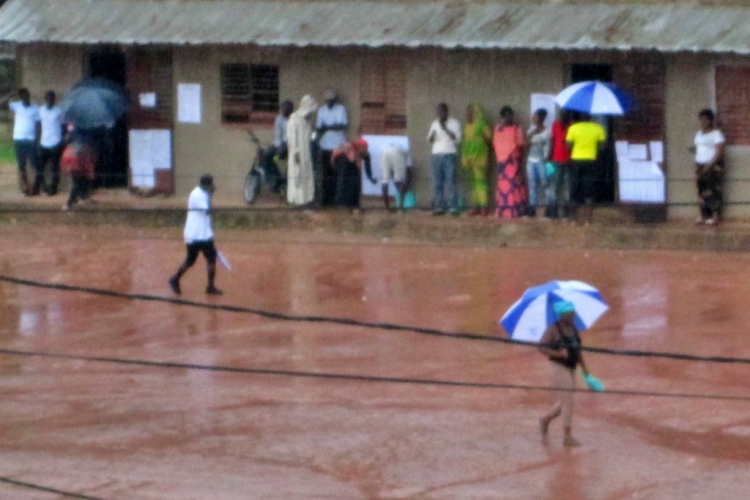
Gambiaj.com – (DAKAR, Senegal) – Senegalese meteorological authorities have warned that the country’s 2026 rainy season could be particularly difficult for farmers, with forecasts pointing to delayed rains, prolonged dry spells, below-normal precipitation, and an increased risk of flooding later in the season.
The warning was issued this week during a climate forecast workshop in Dakar, where officials from Senegal’s National Civil Aviation and Meteorology Agency (ANACIM) outlined what they described as a “season under tension” for both the agricultural sector and urban communities.
According to Oumar Konté, Director of Meteorology at ANACIM, early forecasts for the May to July period show rainfall levels are expected to remain below seasonal averages across much of the country.
“In Senegal, we expect, for the first part of the season, deficit rains,” Konté said.
For farmers, the forecast raises concerns about delayed planting and poor crop establishment. Meteorologists warned that the season could be marked by “false starts,” early rains that may encourage farmers to sow seeds before long dry spells return, potentially damaging crops and reducing yields.
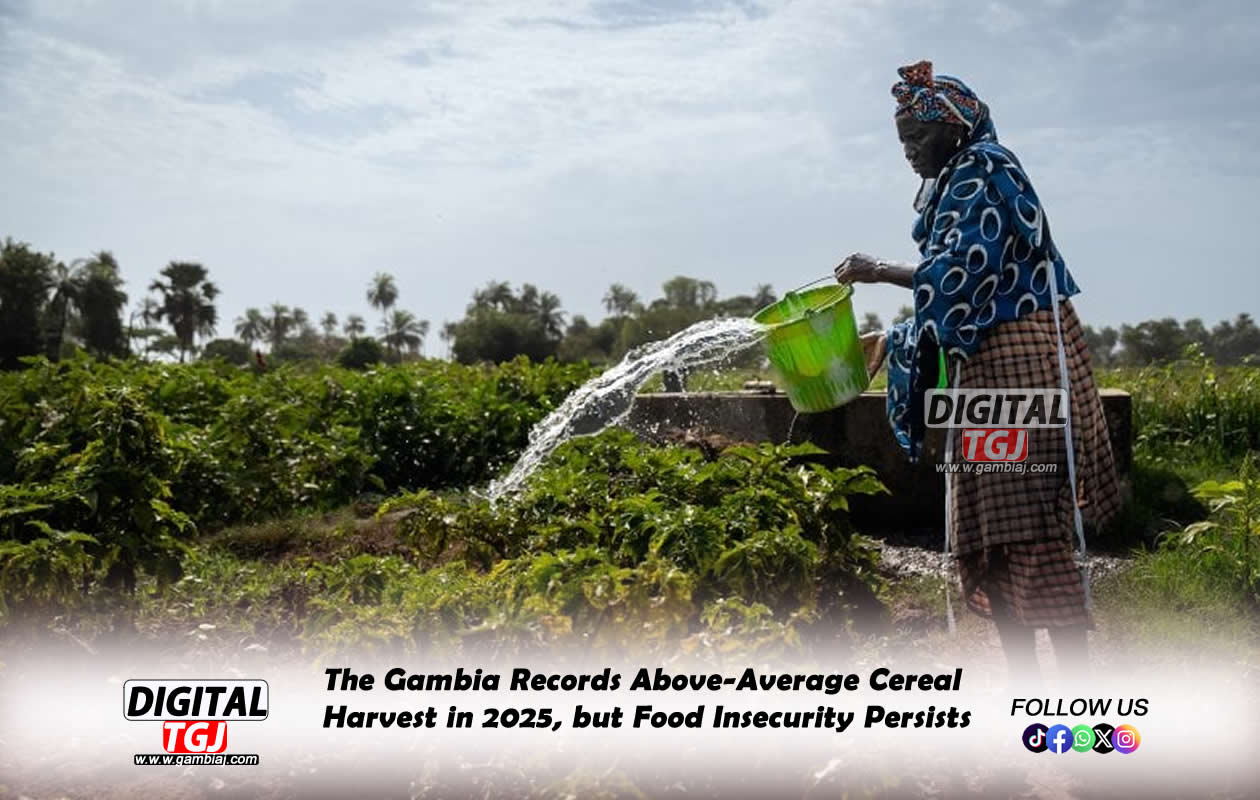
Agriculture in Senegal remains heavily dependent on rainfall, making the timing and consistency of precipitation critical for rural livelihoods. Long dry pauses during the early part of the season could particularly affect staple crops and increase pressure on already vulnerable farming communities.
Although Anacim expects rainfall conditions to improve from August as temperatures intensify, officials cautioned that the recovery may come too late to fully compensate for the early-season moisture deficit.
The agency also warned that the concentration of rainfall over a shorter period later in the season could trigger extreme weather events, especially in September and October.
“There will be a slight improvement,” Konté said, while cautioning that the return of the rains could be violent.
Meteorologists warned that intense rainfall at the end of the season could lead to major flooding in low-lying urban and rural areas, threatening crops, infrastructure, and homes.
The forecasts are now pushing authorities and agricultural stakeholders to prepare for a season requiring greater resilience and adaptation.
Experts are advising farmers to carefully select seed varieties and crop cycles capable of withstanding dry spells and shorter rainy periods. Authorities are also being urged to intensify flood prevention measures, including drainage cleaning and urban preparedness efforts, ahead of the anticipated late-season rains.
The outlook further highlights Senegal’s growing vulnerability to climate change and the increasing unpredictability of weather patterns across the Sahel region.
Officials say the situation underlines the urgent need to strengthen national resilience strategies to protect food production, rural livelihoods, and infrastructure from worsening climate shocks.





Leave a Reply