


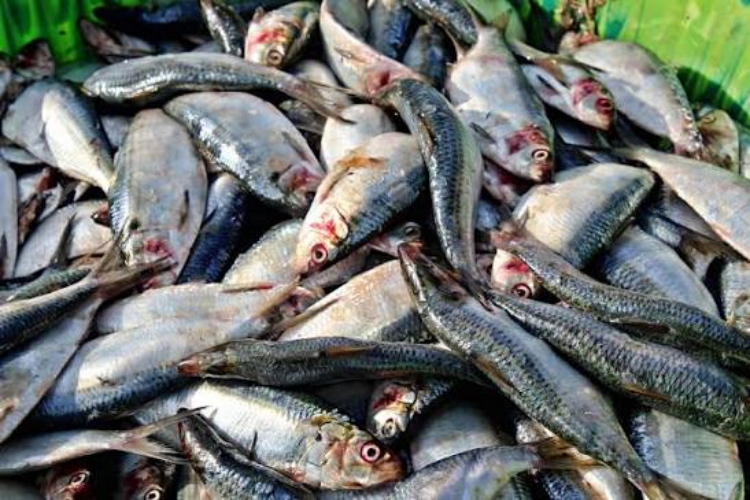
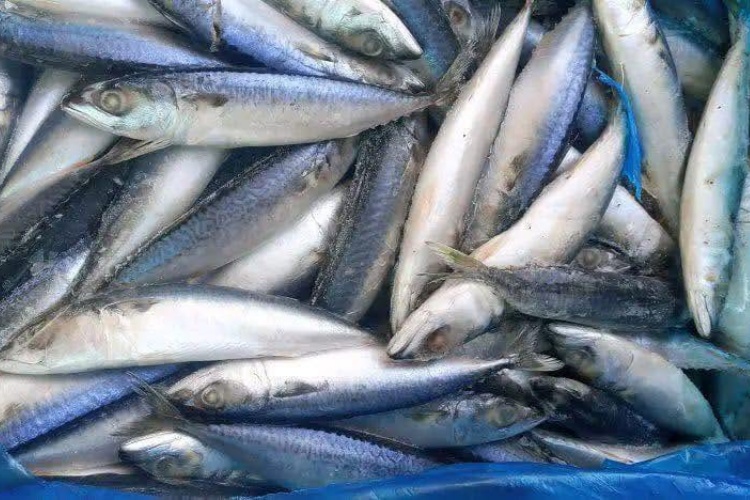
Gambiaj.com – (Banjul, The Gambia) – The Government of The Gambia has launched a new Fisheries Management Plan for sardinella and bonga, alongside the unveiling of a new support project under the second phase of the EAF-Nansen Program, in a move aimed at safeguarding two of the country’s most important fish species through science-based and sustainable management.
The initiative was led by the Ministry of Fisheries, Water Resources, and National Assembly Matters and brought together senior government officials, fishing community representatives, development partners, civil society organizations, academics, and private sector stakeholders.
The management plan was developed with technical support from the Food and Agriculture Organization of the United Nations (FAO) through the EAF-Nansen Program, which is funded by the Government of Norway. Under the program’s second phase, FAO will support implementation of the plan over the next 18 months.
Protecting Critical Fish Stocks
Sardinella and bonga are among the most important fish species in The Gambia, contributing significantly to nutrition, food security, employment, and the national economy.
Because sardinella stocks migrate across the waters of Mauritania, Senegal, The Gambia, and Guinea-Bissau, while bonga is widely distributed along the Northwest African coast, officials stressed that their long-term sustainability depends on both effective national management and close regional cooperation.
The new management framework promotes science-based decision-making, ecosystem conservation, stakeholder participation, and coordinated management of shared fish stocks.
It also forms part of broader regional efforts under the EAF-Nansen Program, which supports the four neighboring countries in developing fisheries management plans, strengthening scientific research, and enhancing institutional capacity.
At the regional level, the program promotes collaboration through the Fishery Committee for the Eastern Central Atlantic (CECAF) and the Sub-Regional Fisheries Commission (SRFC), including joint scientific assessments, policy dialogue, and knowledge sharing.
Government Reaffirms Commitment
Speaking at the launch, Fisheries Minister Musa Drammeh said the plan reflects the government’s determination to ensure the country’s fisheries remain productive for future generations.
“Today, we reaffirm The Gambia’s commitment to managing our fisheries responsibly for the benefit of present and future generations,” he said.
According to the minister, the Fisheries Management Plan provides a practical roadmap for the sustainable use of shared small pelagic fish resources while protecting food security, employment opportunities, and the livelihoods of coastal communities.
He also called for strong national and international support to ensure the successful implementation of the plan.
FAO Pledges Continued Support
FAO Representative in The Gambia, Shibu Rampedi, praised the government’s leadership in developing the plan and described it as an example of what sustained partnership can achieve.
She said the science-based and participatory management plan aligns with the ecosystem approach to fisheries and would help strengthen nutrition, food security, marine ecosystem protection, and the livelihoods of fishing communities.
Rampedi added that FAO remains committed to supporting the government and stakeholders as they translate the plan into concrete actions.
Implementation Project Unveiled
The ministry also revealed the EAF-Nansen Phase II national support project, titled Support for the Implementation of the Ecosystem Approach to Fisheries for the Management of Shared Sardinella Stocks in The Gambia.
The 18-month project will focus on strengthening scientific advice for fisheries management while improving the link between scientific research, policymaking, and operational fisheries management.
The ministry reaffirmed its commitment to transparent, inclusive, and science-based fisheries governance and urged all stakeholders to actively support implementation of the plan.
Officials described the launch as more than the adoption of a policy document, saying it marks the beginning of a coordinated national effort to maintain healthy fish stocks, strengthen the resilience of fishing communities, and promote sustainable economic development for future generations.









Leave a Reply