


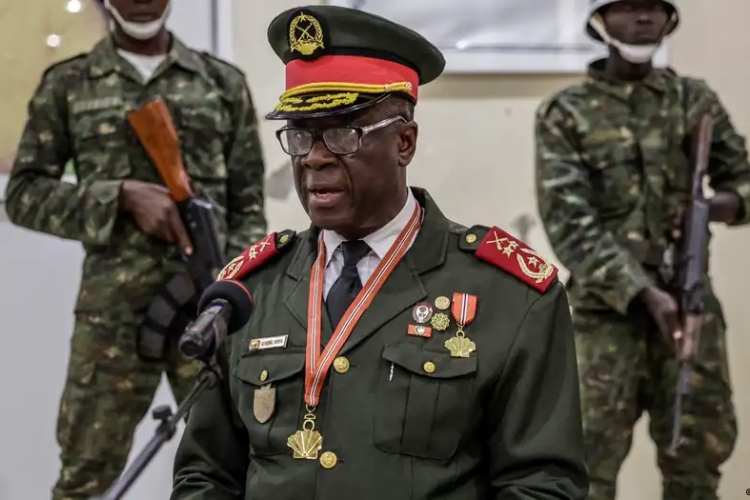
Gambiaj.com – (BISSAU – Guinea-Bissau) – Guinea-Bissau will hold a constitutional referendum on 30 August 2026 to determine whether a new constitution that significantly expands the powers of the President should enter into force.
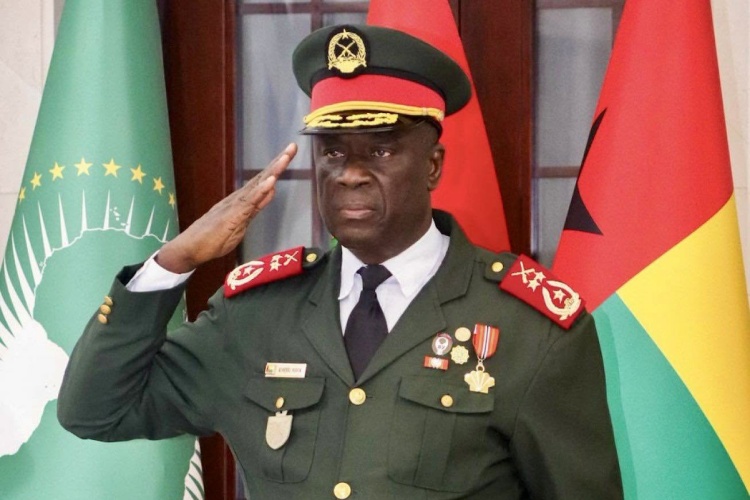
The referendum was announced on Monday by transitional President Horta Intaa through a presidential decree, following the approval of the draft constitution by the National Transition Council.
Under the decree, voters across the country will be asked a single question: “Do you agree with the entry into force of the new Constitution of the Republic approved by the National Transition Council?”
The vote will be conducted by universal, direct, secret, and personal suffrage, with citizens selecting either “Yes” or “No.” The nationwide popular consultation will take place throughout Guinea-Bissau on 30 August 2026.
The decree also states that the Supreme Court of Justice issued a favorable opinion authorizing the referendum in accordance with Law No. 12/2026. It further notes that all legal procedures stipulated under Articles 29 and 30 of the law were duly observed before the referendum was called.
Presidency to Gain Broader Executive Authority
The proposed Constitution introduces far-reaching institutional reforms that would considerably strengthen the office of the President.
If approved, the President would not only remain Head of State but would also become Head of government, assuming leadership of the executive branch and presiding over the Council of Ministers.
The draft further empowers the President to appoint the Prime Minister regardless of election outcomes or whether a parliamentary majority exists to support the appointment. The President would also appoint ministers and other members of the executive while directing and coordinating government policy.
Speaking after the announcement, National Transition Council spokesperson Fernando Vaz said the Prime Minister would operate under the authority of the President.
“In this 2026 Constitution, the President of the Republic, in addition to the functions of Head of State, will also become Head of Government. He will lead the Executive and preside over the Council of Ministers.”
Vaz added that the Prime Minister would be subordinate to the President and would be responsible for implementing the directives and guidelines issued by the Head of State.
Semi-Presidential System Retained
Despite the expanded presidential powers, Vaz said the proposed Constitution retains Guinea-Bissau’s semi-presidential system.
According to him, the government would continue to bear dual political responsibility, remaining accountable to both the President of the Republic and the National Assembly.
The draft Constitution also proposes renaming the country’s legislature from the National People’s Assembly to simply the National Assembly.
Vaz said the constitutional review also removed what he described as “ideological and revolutionary” provisions inherited from earlier constitutional texts.
“We purged the Constitution of its ideological and revolutionary content because it is the Constitution of all Guineans, not the Constitution of a particular party,” he said.
Key Vote for Guinea-Bissau’s Political Future
The 30 August referendum is expected to be a pivotal moment for Guinea-Bissau, where political instability, institutional disputes, and frequent changes of government have long characterized the country’s governance.
If approved by voters, the new Constitution would usher in a significantly stronger presidency, redefining the balance of power within the executive while reshaping the relationship between the presidency, the government, and the legislature.








Leave a Reply