


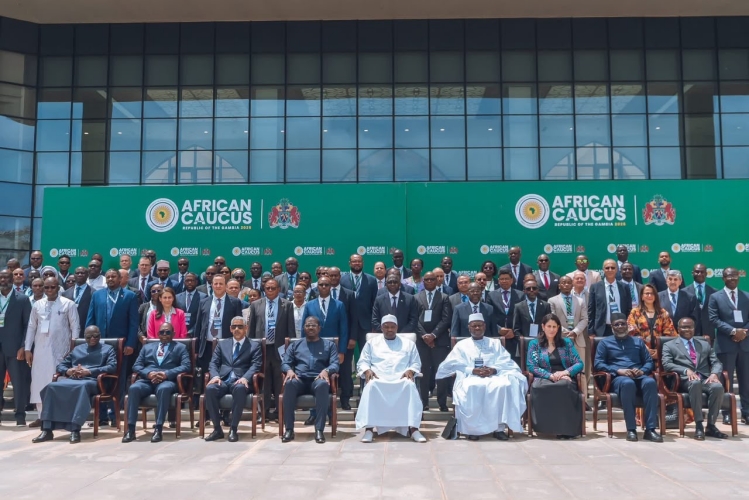
Gambiaj.com – (BANJUL, The Gambia) – President Adama Barrow has said that Africa’s future will depend on stronger partnerships, increased investment, and inclusive growth if the continent is to overcome persistent economic challenges and unlock its vast potential.
The Gambian Head of State was addressing the 2026 African Caucus, an annual meeting of African Finance Ministers and Central Bank Governors with the International Monetary Fund (IMF) and the World Bank Group to strengthen Africa’s collective voice on global financial governance.
Officially opening the 2026 African Caucus in Banjul, President Barrow said Africa possesses enormous human capital, abundant natural resources, and a youthful population capable of driving transformation. However, he warned that geopolitical tensions, climate change, infrastructure deficits, and financing gaps continue to impede the continent’s development.
“The Government of The Gambia will continue to partner with the World Bank Group on global development initiatives to address key challenges, particularly unemployment, poverty, and climate change,” President Barrow said.
He described the African Caucus as taking place at a critical moment for the continent, saying it offers an important platform for governments, development partners, the private sector, and experts to collaborate on practical solutions.
He expressed hope that the meeting would deliver concrete outcomes to strengthen coordination and accelerate Africa’s economic transformation through investment, innovation, and inclusion.
Gambia Showcases Economic Reforms
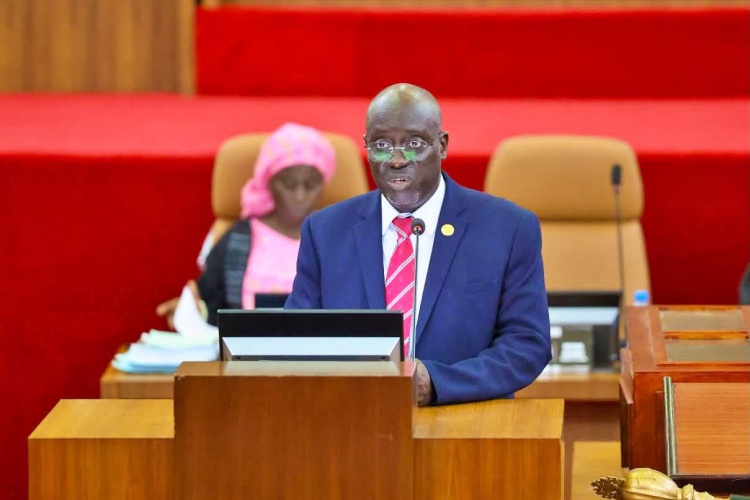
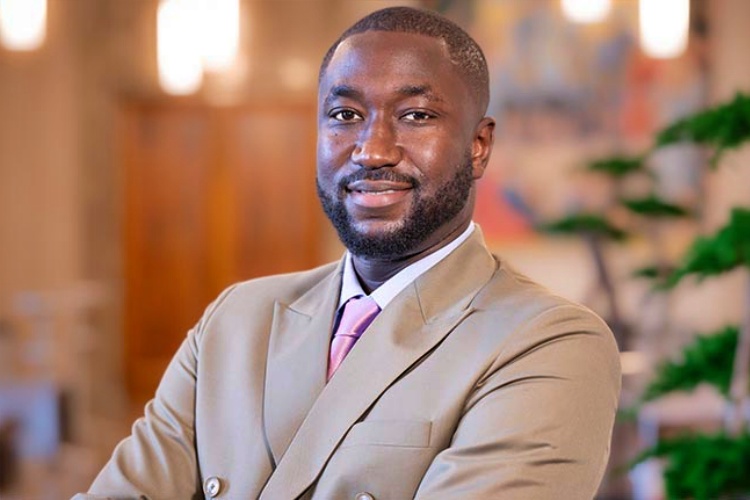
The Minister of Finance and Economic Affairs Seedy Keita highlighted what he described as The Gambia’s recent economic gains, revealing that tax revenue had increased from D11 billion to D15 billion without any increase in tax rates. He attributed the improvement largely to digitalization and enhanced revenue administration.
Mr. Keita also pointed to sustained economic growth, improved inflation management, and reforms aimed at creating a more conducive business environment, noting that more than 1,200 new businesses have been established in the country.
“This year’s theme reflects our response to current challenges. It is more than a statement of intent; it is our shared commitment,” he said.
He urged African countries to prioritize domestic resource mobilization, strengthen financial systems, expand support for small and medium-sized enterprises, and make strategic investments in energy and infrastructure.
World Bank Calls for Accelerated Transformation
Also addressing delegates, World Bank Vice President for Eastern and Southern Africa, Ousmane Diagana, said that while Africa continues to face significant challenges, it also has a unique opportunity to accelerate structural transformation through decisive investments by governments, development partners, and the private sector.
He stressed that job creation must remain at the heart of the continent’s development agenda, identifying energy, agribusiness, manufacturing, healthcare, and tourism as sectors with significant employment potential.
“We have to build infrastructure, invest in human capital, promote innovation, and ensure the benefits of growth reach young people, women, and vulnerable communities,” Mr. Diagana said.
He reaffirmed the World Bank Group’s commitment to expanding its financing and deepening its engagement with African countries to support sustainable and inclusive development.





Leave a Reply