


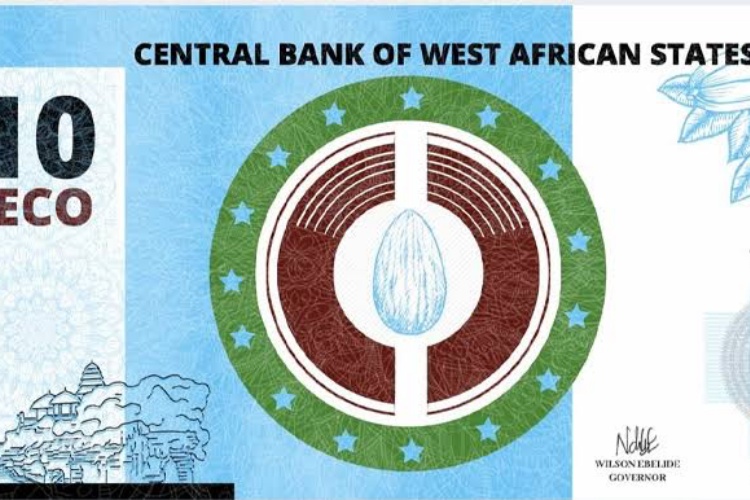
Gambiaj.com – (LUNGI, Sierra Leone) – West African heads of state and government have renewed their pledge to launch the region’s long-delayed single currency, the Eco, by 2027, closing out the 69th Ordinary Session of the ECOWAS Authority with a communiqué that mixes cautious optimism on monetary union with firm warnings on trade discipline.
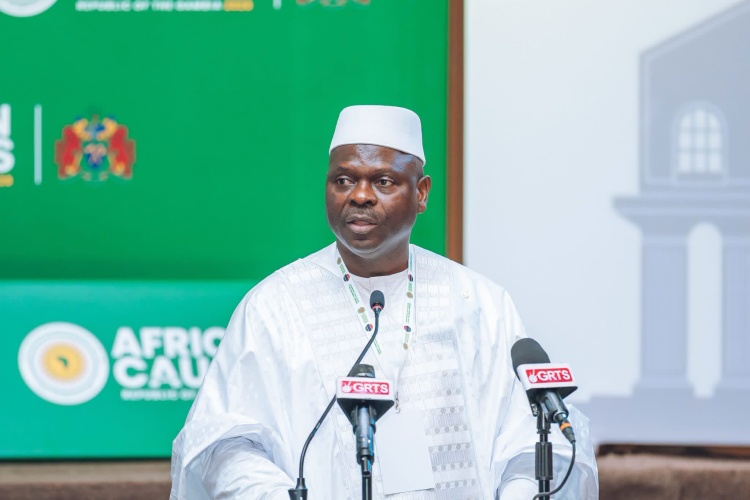
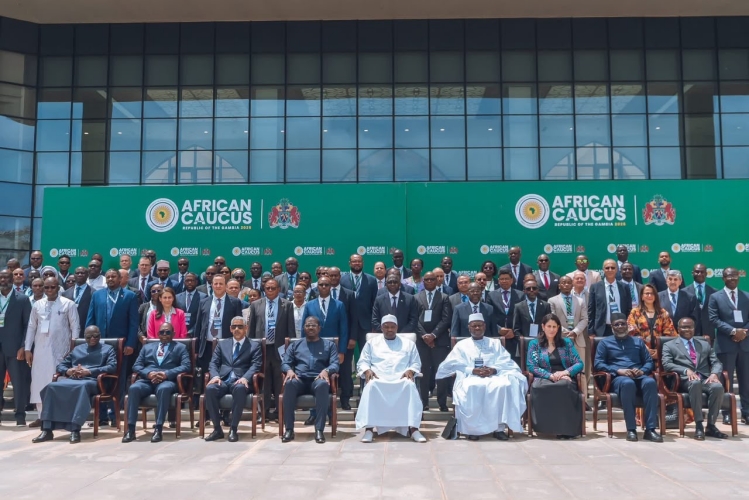
The summit, hosted under the chairmanship of Sierra Leonean President Julius Maada Bio, brought together heads of state and senior officials from across the 15-member bloc, alongside representatives of the United Nations, the African Development Bank, Mauritania, and the ECOWAS Business Council.
A phased path to the Eco
In their final communiqué, the leaders reiterated that the rollout of the Eco will not happen all at once. Instead, the currency will first be adopted by member states that meet the bloc’s agreed macroeconomic convergence criteria, while countries not yet ready will receive targeted support to help them qualify and join at a later stage.
The Authority described the Eco as more than a technical monetary reform, framing it as a central pillar for deepening regional economic integration and driving growth that is sustainable, resilient, and inclusive across West Africa.
To smooth the road to launch, leaders welcomed ongoing consultations between the ECOWAS Commission and central bank governors aimed at resolving outstanding technical questions before the currency’s introduction.
They also commended the registration of the “Eco” trademark with the African Intellectual Property Organization (OAPI), a step that secures the name and identity of the future currency.
In a further sign of momentum, the Authority approved Guinea’s request to join the Presidential Task Force overseeing the single currency program and instructed the ECOWAS Commission, working alongside the West African Monetary Agency (WAMA), to intensify talks with central banks to clear the remaining obstacles to the project.
Warning Shot on Trade, and An Energy Boost
Beyond the currency file, the leaders sounded a note of caution on trade policy, warning that member states striking bilateral trade agreements outside the framework of the bloc risk weakening the ECOWAS Customs Union.
The Commission was directed to coordinate common regional positions ahead of international trade negotiations to prevent individual deals from fragmenting the bloc’s collective bargaining power.
On energy, the Authority welcomed the Intergovernmental Agreement on the African Atlantic Gas Pipeline, describing the project as a strategic boost to regional energy security, a signal of the bloc’s continuing push to knit together West Africa’s infrastructure alongside its financial systems.
For The Gambia and the rest of the sub-region, the reaffirmed 2027 target keeps alive a monetary integration project that has been repeatedly delayed since it was first conceived. Whether the timeline holds will depend, as leaders themselves acknowledged, on how quickly the remaining technical and political hurdles between the Commission, central bank governors, and member states can be cleared in the months ahead.







Leave a Reply