


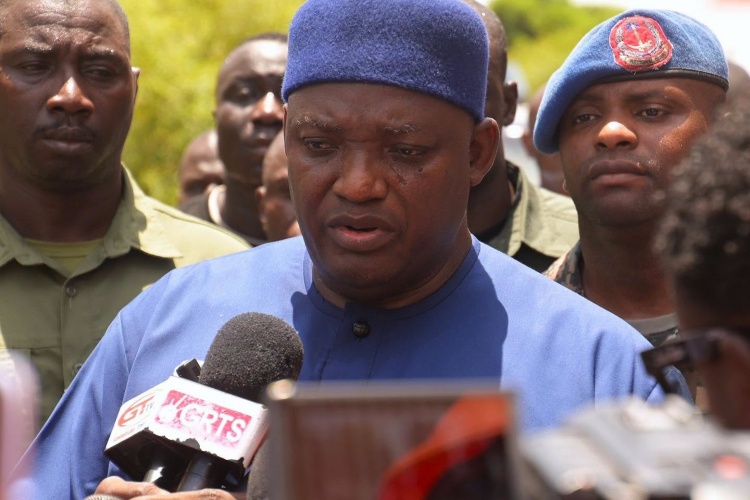
Gambiaj.com – (BANJUL, The Gambia) – President Adama Barrow has acknowledged shortcomings in the government’s planning, power generation, and maintenance systems, as he pledged that the country’s electricity situation will improve by the end of October 2026.
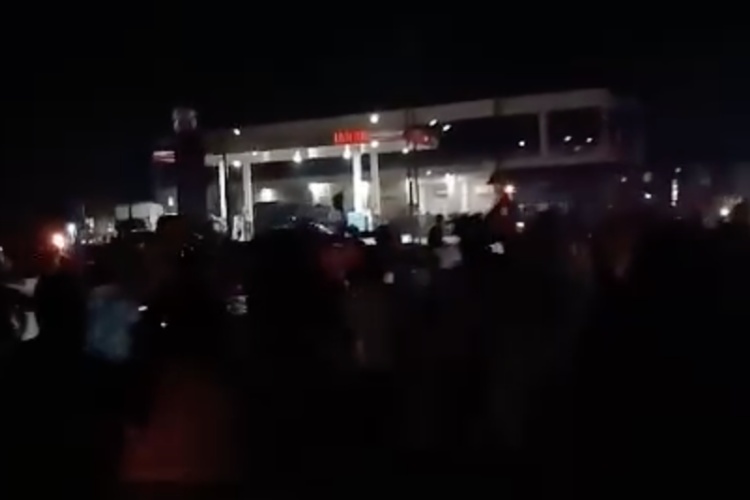
The President made the commitment in a national address following spontaneous nightly demonstrations in several parts of the country over prolonged electricity shortages, which have disrupted homes and businesses.
Barrow said he was aware of the hardship being caused by the outages, describing the situation as one that had affected families across the country.
“With much concern and regret, I am aware of what prevails in your homes,” the President said. “I know that the fans have stopped turning. Children walk in the dark, mothers throw away stale food, and the heat is unbearable by day and by night.”
He said he had been working with his ministers, the management of NAWEC and international partners to find a lasting solution to the electricity crisis.
Government admits shortcomings
While pointing to wider regional challenges affecting electricity supply, Barrow admitted that the government had fallen short in planning, generation, and maintenance.
“These are not normal times, and this burden is not ours alone,” he said, citing the West African Power Pool’s assessment that several countries in the region were experiencing power cuts at the same time.
According to the President, electricity demand has reached record levels, while major generating units have experienced failures, and seasonal conditions have reduced the amount of hydropower available through the OMVG network.
However, he acknowledged that the government must take responsibility for weaknesses within the national electricity system.
“I must admit, however, the shortcomings in our planning, power generation, and maintenance systems,” Barrow said, promising corrective measures.
24 MW generation unit expected by October
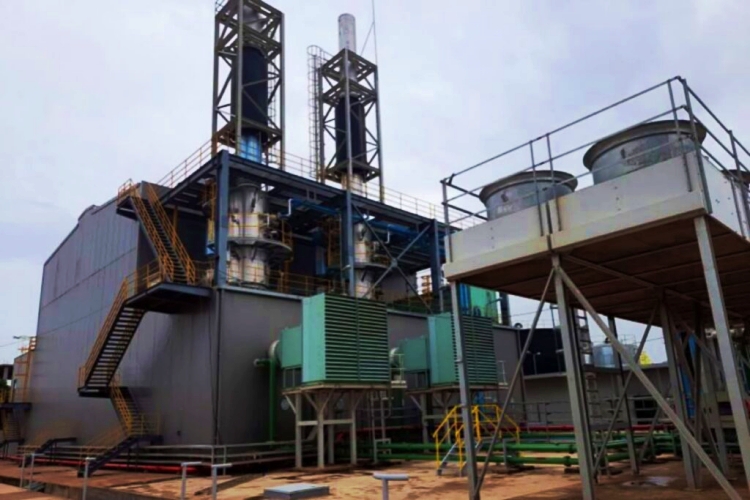
The President said work was at an advanced stage to install an additional 24-megawatt generating machine at the Brikama Power Station.
Barrow said he visited the facility on Tuesday and that the new unit is expected to be commissioned by the end of October 2026.
“For a system of our size, this is considerable power, enough to make a big difference in your homes,” he said.
The government has also awarded a contract for a 50-megawatt solar power plant in Soma, with the contractor now mobilizing resources to begin construction.
Barrow acknowledged, however, that solar power alone cannot resolve the country’s night-time electricity shortages.
“The sun does not shine at night. And that is when people suffer most,” he said.
He explained that the solar plant would help meet daytime demand at a lower cost while reducing pressure on existing generating engines, allowing them to be available during the evening when demand rises.
Presidential task force established
Barrow also announced the establishment of a presidential task force on electricity supply, chaired by Vice President Muhammed B.S. Jallow.
The task force, he said, will report directly to him and provide public updates to the nation every two weeks.
The President said engineers were working around the clock at the country’s power plants.
“As I speak, there are engineers on our plants without sleep, so work does not stop,” he said. “It will not stop until the job is done.”
Barrow urges restraint
The President’s address also sought to respond to the anger expressed during the nightly demonstrations, urging citizens to protest peacefully and avoid damaging public infrastructure.
He said Gambians had the right to express their concerns but warned against destroying electricity infrastructure belonging to the public.
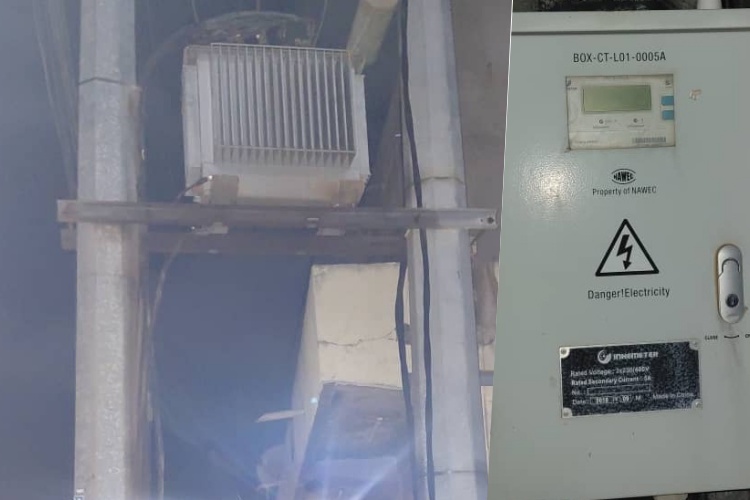
“The street transformer, the line running into our neighborhood, and other national equipment belong to you, the people,” Barrow said.
He warned that destroying such infrastructure would deepen the crisis by leaving communities without electricity for longer and forcing the government to divert additional resources towards repairs and replacement.
“The peace of this country and the name we have earned before the world took years of sacrifice and resources to build,” he said. “We can lose it in one night if we do not act with caution.”
Barrow urged citizens to address their grievances “tactfully” and collectively, while remaining mindful of vulnerable people affected by the outages.
Electricity access rises from 36% to 90%
The President also defended his administration’s record on expanding electricity access, saying national access had increased from 36 percent in 2017 to about 90 percent today.
He said the expansion had brought electricity to communities that previously had no access to the national grid, allowing children to study under electric lights.
“This is evidence of my government’s efforts and determination to provide electricity for all, and we have made impressive progress,” he said.
Barrow said the government was now determined to make similar progress in electricity generation and reliability.
He nevertheless stopped short of promising an immediate end to the crisis, stressing that he would not make commitments the government could not fulfil.
“I will not promise you what the government cannot deliver,” he said. “But we commit that the electricity supply situation in the country will improve by the end of October 2026.”
The President ended his address by appealing for patience, assuring Gambians that the government was working to resolve the crisis.
“Your engineers are awake, the government is awake, and your president is awake with you,” Barrow said. “I think about your plight and will not rest until there is light in your homes.”








Leave a Reply