


Gambiaj.com – (BANJUL, The Gambia) – The Gambia’s political landscape has widened further with the registration of three new political parties, adding fresh contenders to an increasingly crowded field less than three months before the December 5 presidential election.
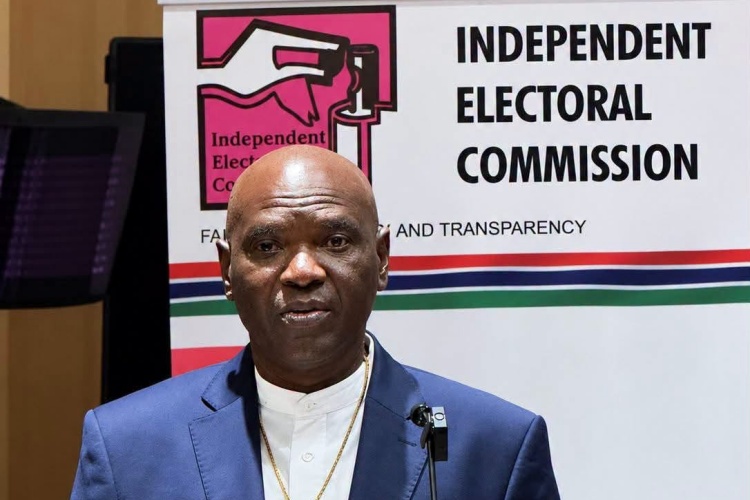
The Independent Electoral Commission (IEC) confirmed on September 17 that the National Democratic Party (NDP), National Builders Party (NBP), and Gambia Labour Party (GLP) had fulfilled the requirements for registration under the Elections Act 2025. The development brings the number of registered political parties to 27, according to the IEC.
The emergence of the three parties comes at a time when established political formations are already positioning themselves for a presidential contest expected to feature President Adama Barrow’s National People’s Party (NPP), Ousainou Darboe’s United Democratic Party (UDP), Talib Bensouda’s UNITE, and a number of newer political alliances and parties.
The latest registrations further expand the range of political platforms and leadership options available to Gambian voters.
From former ruling-party insider to new political contender
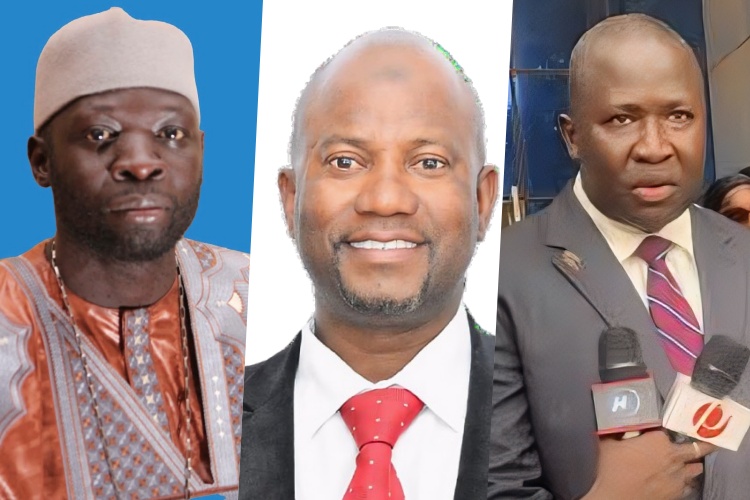
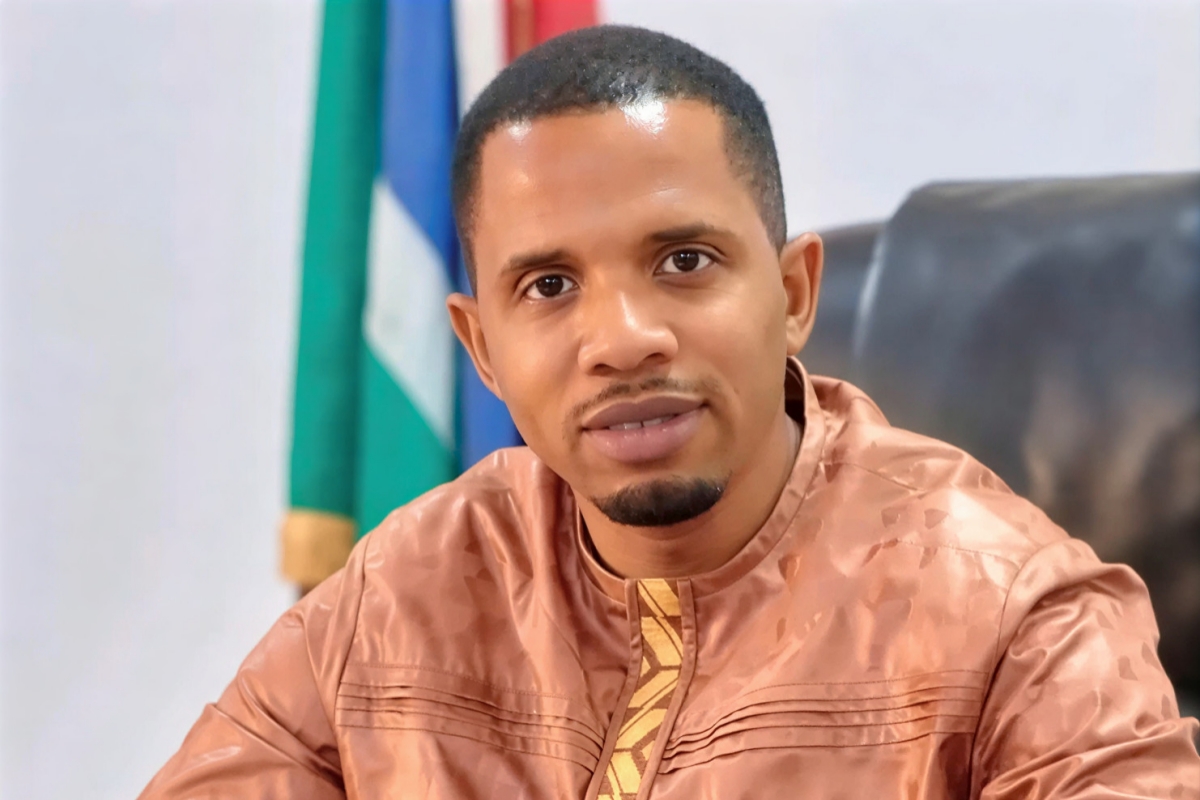
Of the three new parties, the National Democratic Party and its leader, Kebba Madi Bojang, have already attracted political attention for more than a year.
Bojang, a former National Youth President of the NPP, became increasingly critical of the ruling party following internal disagreements over its leadership and the treatment of party supporters. He was subsequently removed from his position along with three others.
The NDP initially operated as an unregistered political group and drew warnings from the IEC over the premature use of party symbols. Its formal registration now gives Bojang and his supporters a legally recognized political vehicle ahead of the presidential election.
Bojang has also ruled out a return to the NPP, arguing that doing so would undermine the trust placed in him by his supporters.
His transition from a senior youth figure within the ruling party to the leader of a separate political organization illustrates one of the changes taking place within the country’s political landscape, as former insiders and emerging movements seek to establish independent platforms ahead of the 2026 election.
New parties offer different political propositions
The National Builders Party, led by Ansu Sanneh, is presenting itself around a policy-driven approach to governance. The party describes Sanneh as bringing experience in intelligence, international affairs, and business to his presidential bid. Its manifesto covers more than 50 policy areas, including healthcare, education, infrastructure, governance, agriculture, the economy, public safety, and tax reform.
The NBP says its programme, which it calls “Operation Build the Nation,” is intended to provide detailed proposals on what should be built, how policies would be financed, and who would be responsible for implementation.
The Gambia Labour Party, led by Bakusa Dukureh, is another new entrant seeking to translate a political movement into an electoral platform.
Dukureh, who has spent a significant part of his professional life in the United States, has said he intends to contest the December presidential election. He has presented the GLP as a party formed by Gambians seeking institutional change and has pointed to his social work and connections across the country as part of the experience he intends to bring to national politics.
The three parties therefore enter the race with different backgrounds and political propositions: the NDP emerging from a former ruling-party insider and youth movement, the NBP emphasizing detailed policy planning and technical experience, and the GLP presenting itself as a new platform for institutional change.
A more crowded contest
The registrations are the latest indication that the 2026 presidential election is shaping up within a more fragmented political environment than the traditional contest between the country’s long-established parties.
The IEC had already registered two new parties, the All Inclusive Party (AIP) and Unite for Nation Integrity, Transformation and Equality (UNITE), in July.
The expansion of the party field does not necessarily mean that all registered parties will ultimately field presidential candidates.
Under the electoral framework, presidential aspirants must meet additional nomination requirements, including obtaining the required voter signatures and submitting the prescribed documentation.
The IEC has scheduled the presidential election for December 5, 2026, with the nomination process to take place ahead of the campaign period.
But the growing number of political organizations means that Gambian voters are entering the election period with a broader range of political offers than in previous presidential contests.
The immediate challenge, for the new parties, will be to convert registration into national organization, visibility and voter support in a political environment dominated by parties with longer histories, established structures, and recognizable personalities.
The expanding field means that the 2026 election is increasingly becoming a contest not only between established political forces but also between competing ideas about governance, institutional reform, economic development, and the country’s future direction.






Leave a Reply