



Gambiaj.com – (BANJUL, THE GAMBIA) – The Gambia estimates that about 25,000 people are living with HIV, but gaps in diagnosis, treatment, and viral suppression continue to challenge the country’s response to the virus. Health Minister Dr. Ahmadou Lamin Samateh has told the National Assembly.
Dr Samateh said adult HIV prevalence is estimated at about 1.3 percent, with significantly higher rates among key populations, including female sex workers, men who have sex with men, and people who use drugs.
According to figures presented to lawmakers, more than two-thirds of people living with HIV know their status, while about 70 percent of those diagnosed are receiving treatment. Just over half of all people living with HIV have achieved viral suppression.
Viral suppression occurs when HIV treatment reduces the amount of virus in the blood to very low levels. Consistent treatment helps people living with HIV remain healthy and significantly reduces the risk of transmitting the virus.
Treatment Adherence Remains A Challenge
Dr Samateh said one of the biggest challenges facing the country’s HIV response is ensuring that people who test positive start treatment and remain connected to care.
To improve access, the Ministry of Health has expanded HIV services to 77 health facilities nationwide. It has also introduced longer medication supplies, community-based refills, and more flexible clinic services to reduce frequent hospital visits and missed appointments.
HIV self-testing is also being used to reach people who may be reluctant to visit health facilities because of stigma or other barriers.
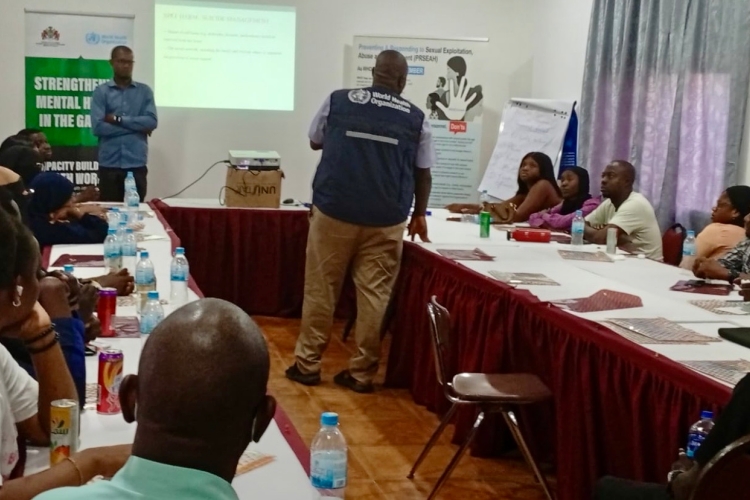
The ministry trained 60 peer educators and lay counselors in 2026 to support treatment adherence, raise awareness, and help reduce HIV-related stigma in communities.
Lawmakers Raise Privacy and Stigma Concerns
The ministry is also working with community organizations and integrating HIV services into maternal and child health programs to expand testing, prevention, and treatment.
During the National Assembly debate, lawmakers questioned whether people living with HIV were adequately protected from discrimination and whether their privacy was being respected.
Dr Samateh said the health system provides care to patients regardless of their sexual orientation or how they contracted HIV.
He said protecting patients’ privacy and making treatment accessible remained priorities, while stressing that people living with HIV should be treated with dignity and supported as members of their communities.









Leave a Reply