


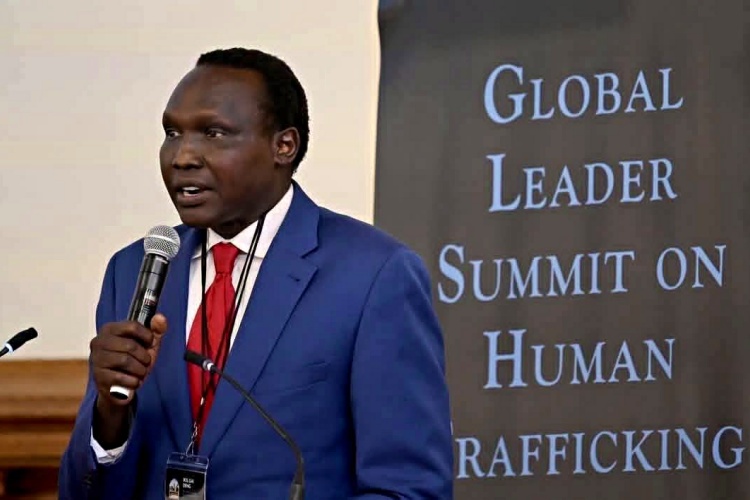
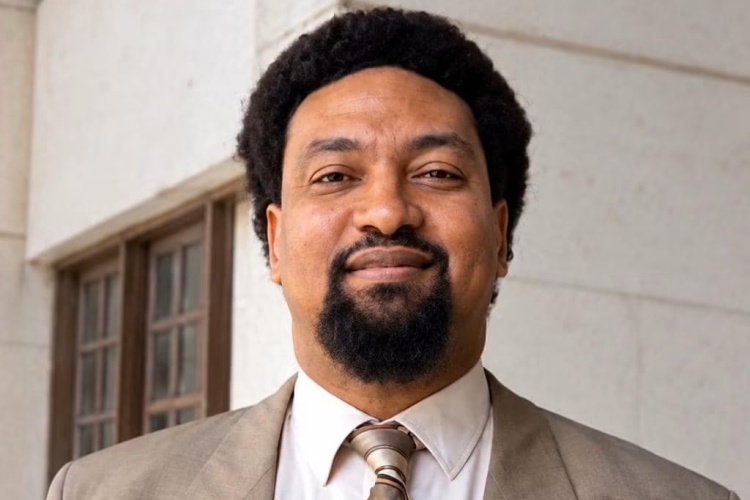
Gambiaj.com – (JUBA, SOUTH SUDAN) – South Sudan’s Kush Democratic Majority Party (KDMP), led by presidential candidate Bol Gai Deng, says it has received official recognition from the country’s National Election Commission to participate in the general elections scheduled for December 22, 2026, as the country prepares for its first national vote since independence in 2011.
Deng announced the development in a statement addressed to South Sudanese citizens and party members, saying the recognition would allow the party to contest the elections and present candidates for several positions across the country.
The KDMP leader said his party supported a free, fair and credible electoral process, describing elections as the route to peace, security and development in the world’s youngest nation.
“We are ready to challenge leadership through the ballot, not bullets,” Deng said, outlining the party’s stated commitment to pursuing political change through the electoral process.
He urged KDMP leaders to contest governorships, parliamentary seats and local administrative positions, including county commissioner and payam administrator posts, under the party’s banner.
The party is also preparing to convene a national conference in Juba, where its leaders are expected to meet ahead of the elections. Deng did not provide a date for the gathering.
A Political Landscape Taking Shape
Deng’s announcement comes as political parties across South Sudan intensify preparations for the December vote, which is intended to end a prolonged transitional period marked by repeated election postponements.
On October 21, the country’s Political Parties Council announced the registration of four pre-election coalitions bringing together 25 political parties. The approved blocs are the National Agenda Coalition of Political Parties, the Coalition of National Alliance of Political Parties, the South Sudan Opposition Alliance and the National Alliance of Political Parties.
James Akol Zakayo, chairperson of the Political Parties Council, said the coalitions had met the statutory requirements for registration. Under the applicable rules, political coalitions seeking to participate in the December elections must register at least 60 days before polling day.
The registration of these alliances reflects efforts by political parties to organize ahead of the elections, although the extent to which the competing groups can translate their formal arrangements into effective electoral participation remains to be seen.
For the KDMP, securing recognition from the election authorities, as announced by Deng, represents an important step in its preparations. The party will now need to organize its candidates, establish its campaign structures and communicate its political priorities to voters.
From Human Rights Activism To Presidential Politics
Deng’s political ambitions are closely linked to his personal history and human rights advocacy.
Born into South Sudan’s Dinka community, Deng has described a childhood marked by violence and displacement. According to the biographical account provided by his campaign, he was abducted from his village at the age of seven, held in slavery for four years and eventually escaped to Egypt before resettling in the United States as a refugee.
He later studied at Virginia Commonwealth University, where his academic interests included political science and homeland security. His subsequent activism included organising rallies in Washington, DC, and engaging with refugee and immigrant communities on issues affecting South Sudanese people.
Deng is also the author of Bol Gai Deng: Legacy Of An African Freedom Fighter, a book associated with his account of activism and his political journey.
His leadership of the KDMP has provided a platform for translating his advocacy into an electoral campaign. In previous election cycles, he has pursued presidential ambitions from the United States, emphasising democratic elections, peace and humanitarian concerns.
His latest announcement places those priorities within the context of the December 22 vote, although the statement does not outline a detailed policy programme covering the economy, security, public services or the implementation of the country’s peace arrangements.
The Challenge Of Delivering Credible Elections
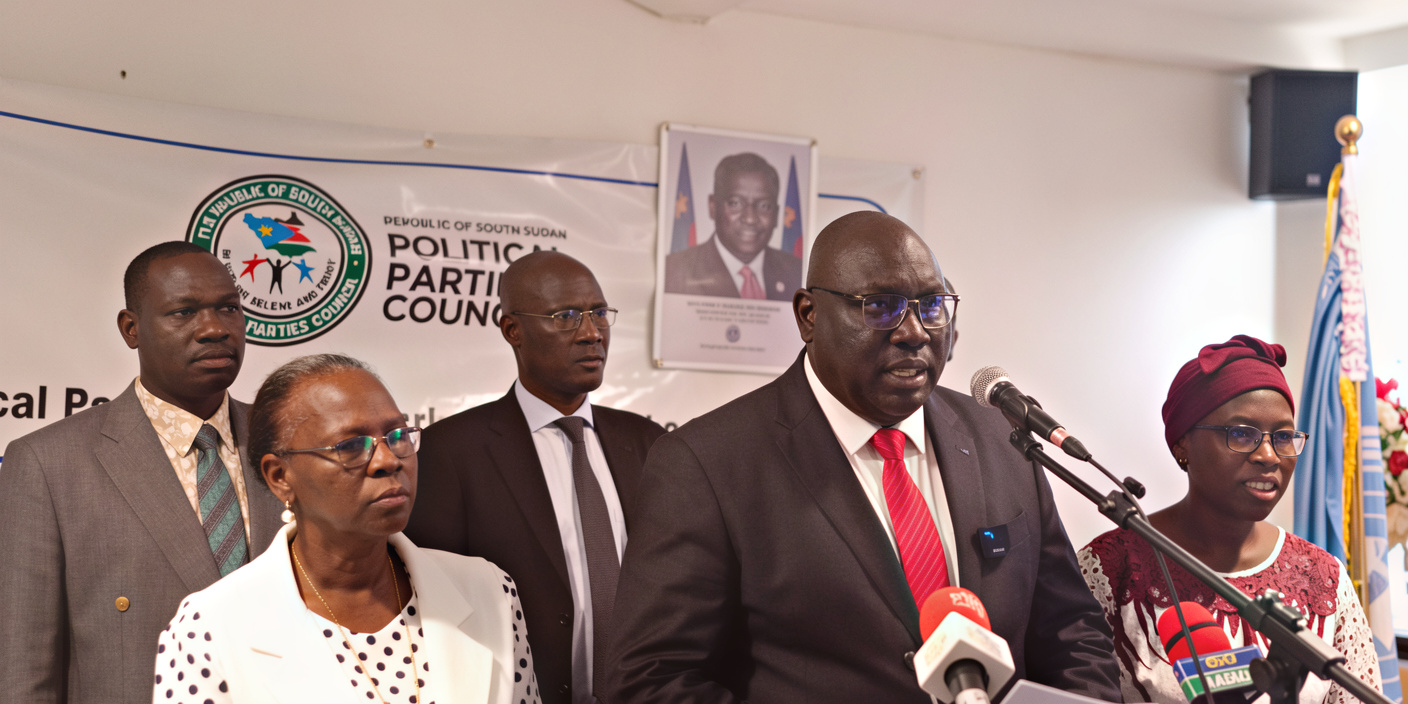
The PPC chairperson James Akol joined by other officials during a media briefing to announce the registration of four political coalitions at its headquarters in Juba on Wednesday, October 21, 2026 (Photo: Kei Emmanuel)
South Sudan’s planned elections carry significance beyond the competition between presidential candidates and political parties. They are intended to mark a transition from the arrangements established under the 2018 peace agreement, following years of delays.
In September, President Salva Kiir dissolved the transitional government and appointed a caretaker administration ahead of the planned vote, according to the information provided in the report.
The elections will therefore take place against the backdrop of an extended transition and continuing efforts to establish a more durable political order.
For Deng and the KDMP, participation offers an opportunity to present an alternative political platform. But formal recognition alone will not determine the party’s reach or its ability to compete. Candidate selection, campaign organisation, public engagement and compliance with electoral requirements will all be important as the campaign develops.
Deng has called on party leaders to prepare for contests at national and local levels, suggesting that the KDMP intends to participate beyond the presidential race. The proposed national conference in Juba is expected to provide an opportunity to coordinate those preparations, although its date and agenda have yet to be announced.
His pledge to pursue political change through the ballot rather than violence also places the party’s message within a broader national debate about the role of peaceful political competition in South Sudan’s future.
Ultimately, the significance of the KDMP’s participation will depend not only on its stated commitment to democratic change, but also on the electoral environment and whether the December vote can proceed in a manner that allows political parties and voters to participate meaningfully.





Leave a Reply