


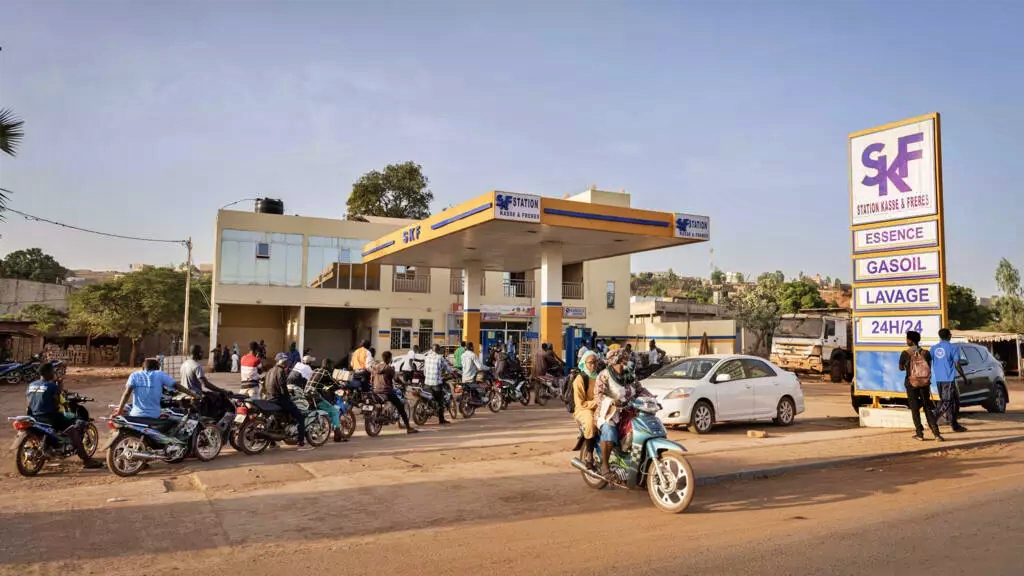
Gambiaj.com – (BAMAKO, Mali) – Residents of Bamako are grappling with worsening fuel shortages that have triggered prolonged electricity and water outages, deepening frustration in the Malian capital as the country struggles with disrupted energy supplies.
For nearly two weeks, the city has faced an acute shortage of diesel, with long queues forming outside filling stations as motorists scramble to secure fuel. Witnesses describe lines stretching up to two or three kilometers, with trucks, buses, cars, and motorcycles clogging roads around service stations.
While gasoline remains available, the lack of diesel, a critical fuel for power generation and transport, has worsened steadily, reviving memories of the severe shortages experienced in late 2025 after a fuel embargo declared by jihadist fighters linked to the Jama’at Nusrat al‑Islam wal‑Muslimin.
The armed group, commonly known as JNIM, had earlier targeted fuel supply routes, severely disrupting Mali’s hydrocarbon imports.
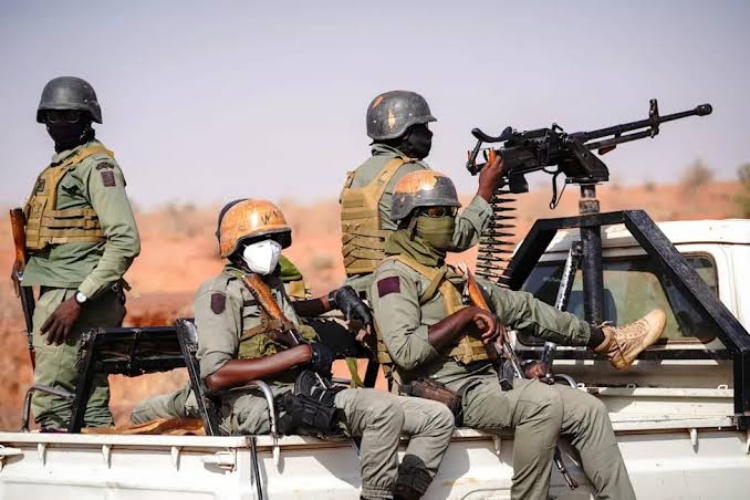
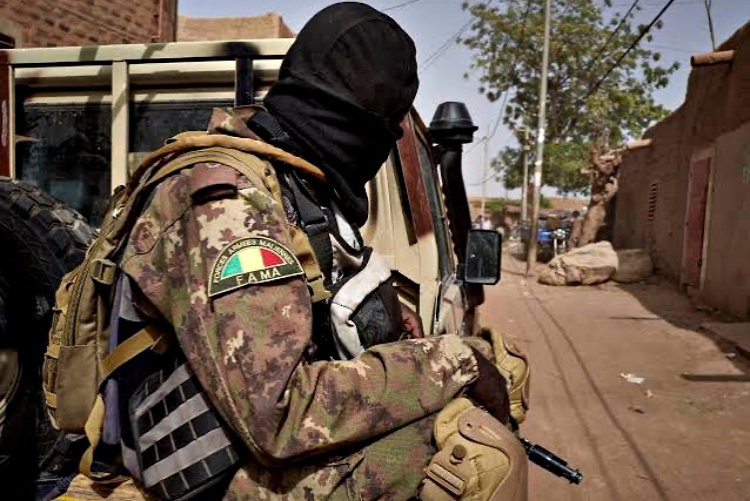
Although the transitional authorities have since reduced attacks on tanker trucks by organizing military-escorted convoys, supplies remain irregular and insufficient across the country.
Power Cuts Exceed 24 Hours
The diesel shortage has had a direct impact on electricity generation in the capital. Many neighborhoods now experience blackouts lasting more than 24 consecutive hours, according to residents.
In other areas, electricity is available for only three to seven hours a day, far below the 19 hours of daily power that the government had promised ahead of the Muslim holy month of Ramadan.
Those least affected are households that have invested in solar panels, an option increasingly adopted in recent years as electricity supply has deteriorated across Mali.
Water supply has also been disrupted, as some pumping stations depend directly on the national electricity grid operated by Énergie du Mali, the state-owned power company.
Discontent Growing
The worsening shortages have fueled growing discontent among residents. Complaints are increasingly voiced on social media and in informal community discussion circles known locally as “grins,” and are now even appearing in some domestic media outlets.
Residents say the hardship is especially severe given the intense heat and the ongoing fasting period.
“No electricity and no water, under suffocating heat and during Ramadan, the anger is now palpable,” one resident said.
Critics have also revived debate over controversial taxes introduced a year ago on telephone services, including mobile credit purchases and money transfers. The government had said the revenue would help improve energy access.
Some residents now question how those funds are being used, noting that the money feeds into a presidentially managed “support fund” meant to finance infrastructure, including electricity production.
Government Blames Speculation
Authorities, however, attribute the current diesel shortage to market manipulation rather than supply disruption.
Speaking on state broadcaster ORTM, Industry and Commerce Minister Moussa Alassane Diallo said petroleum supplies were arriving regularly and accused certain operators of hoarding fuel and engaging in speculation.
As a temporary measure, the government announced a cap on diesel purchases for heavy trucks, limiting them to 600 liters per vehicle for a 72-hour period starting March 13.
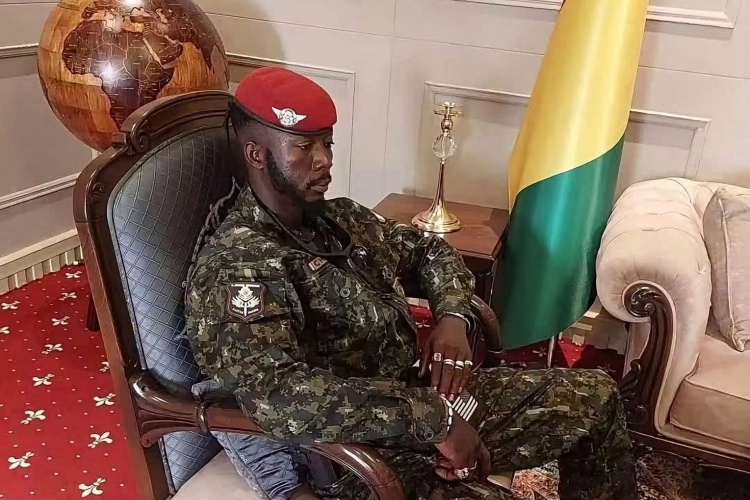
State television has also highlighted initiatives by transitional president Assimi Goïta, including the donation of solar panels to small artisans, which officials describe as a practical response to the country’s energy crisis.
Fear of Repression Limits Protest
Despite rising anger, open protest remains limited in the capital, where the military-led transitional government maintains tight political control.
Messages circulating online increasingly criticize the authorities, with one widely shared post lamenting what it described as “the darkness of night, the darkness of despair, the darkness of the new Mali.”
Yet many residents remain cautious, wary that public demonstrations could trigger repression under the country’s military regime.


Leave a Reply