


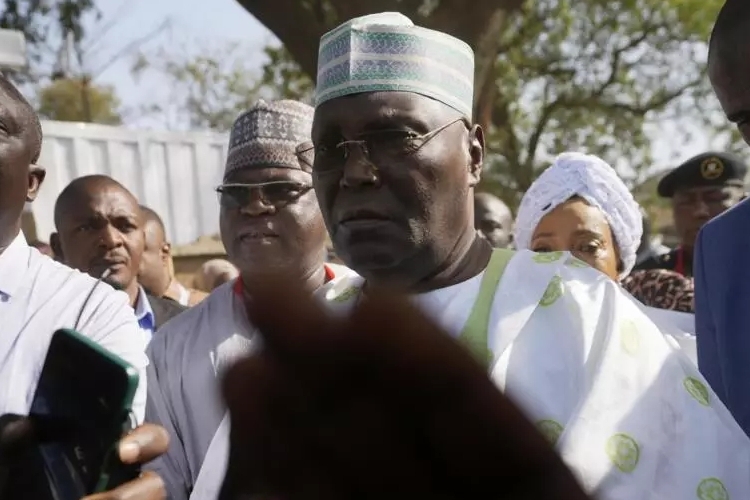
Gambiaj.com – (LAGOS, Nigeria) – A coalition of 14 opposition parties in Ibadan has pledged to unite behind joint candidates for Nigeria’s 2027 general elections in a coordinated effort to challenge the dominance of the ruling All Progressives Congress (APC) led by President Bola Ahmed Tinubu.
Meeting over the weekend in the southwestern city, the parties agreed in principle to field single candidates at all levels of the elections, including the presidency. The move is framed as a strategic response to what they describe as the growing consolidation of power by the APC.
The opposition initiative comes amid a wave of defections in recent months, with several governors, lawmakers, and local officials crossing over to the ruling party.
This trend has fueled speculation that President Tinubu could emerge as a consensus candidate in 2027 and potentially face little to no effective opposition, an outcome the coalition says it is determined to prevent.
In a joint communiqué dubbed the “Ibadan Declaration,” the parties accused the APC of undermining Nigeria’s multiparty democracy and expressed their intention to counter what they termed “hegemonic ambitions.” Central to their strategy is the possibility of backing a single presidential candidate endorsed by the entire coalition, with ongoing consultations already underway.
Heavyweights Rally Behind Coalition
The Ibadan meeting drew several prominent figures in Nigerian politics, underscoring the weight behind the emerging alliance. Among those present were former Vice President Atiku Abubakar, former Kano State Governor Rabiu Kwankwaso, ex-Minister of Transportation Rotimi Amaechi, and senior People’s Democratic Party (PDP) figure Kabiru Turaki.
Also playing a key role in shaping the coalition’s direction is Peter Obi, who finished third in the 2023 presidential election. Obi is reported to have contributed significantly to the coalition’s policy framework.
Nine-Point Agenda and Electoral Concerns
At the core of the alliance is a nine-point agenda outlining shared priorities and immediate demands. Chief among these is a call for Nigeria’s National Assembly to review provisions in the 2026 Electoral Act, which the coalition argues could undermine the credibility of future elections.
The parties are also urging the Independent National Electoral Commission (INEC) to extend the deadline for party primaries to the end of July, citing logistical and organizational constraints.
While the coalition signals a rare moment of unity among Nigeria’s often fragmented opposition, its success will depend on its ability to reconcile internal rivalries and agree on a single presidential candidate, a challenge that has historically undermined similar efforts.
As political maneuvering intensifies ahead of 2027, the Ibadan Declaration marks an early but significant step in what is shaping up to be a highly contested electoral cycle.










Leave a Reply