


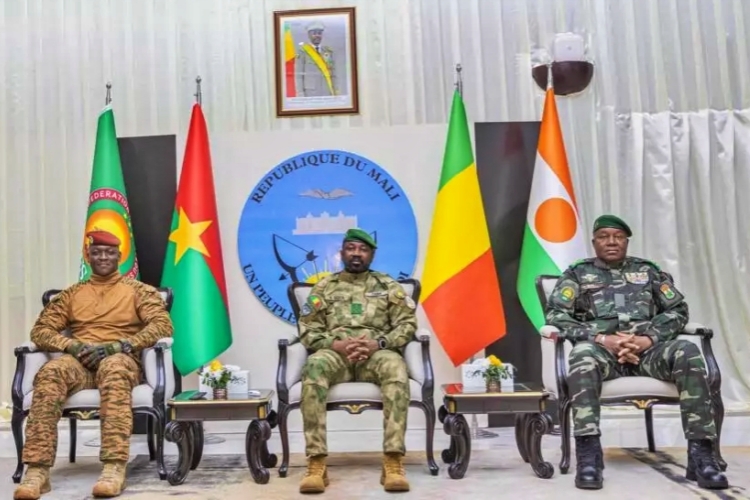
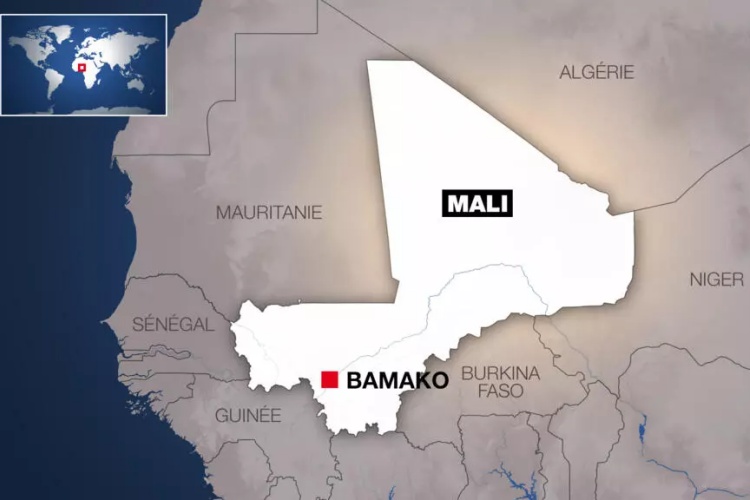
Gambiaj.com – (BAMAKO, Mali) – The aftermath of coordinated attacks across Mali on April 25 has triggered a wave of grief and unease while raising fundamental questions about the credibility and operational capacity of the Alliance of Sahel States.
As explosions rocked key military and political hubs, including Kati and Bamako, the crisis has not only claimed senior figures within the Malian establishment but also exposed what analysts describe as a widening gap between the alliance’s political rhetoric and battlefield realities.
By late morning on April 26, the AES broke its silence with a brief communiqué attributing the attacks to unnamed “occult actors.”
However, the statement has done little to quell growing concerns, particularly as Mali reels from the reported death of Defense Minister Sadio Camara, the fall of Kidal, and what sources describe as a paralysis within intelligence structures.
Unified AES Force Only on Paper Raises Doubts Over Operational Readiness.
At the center of the scrutiny is the much-publicized Unified Force of the AES—a 15,000-strong contingent intended to serve as the alliance’s rapid-response backbone.
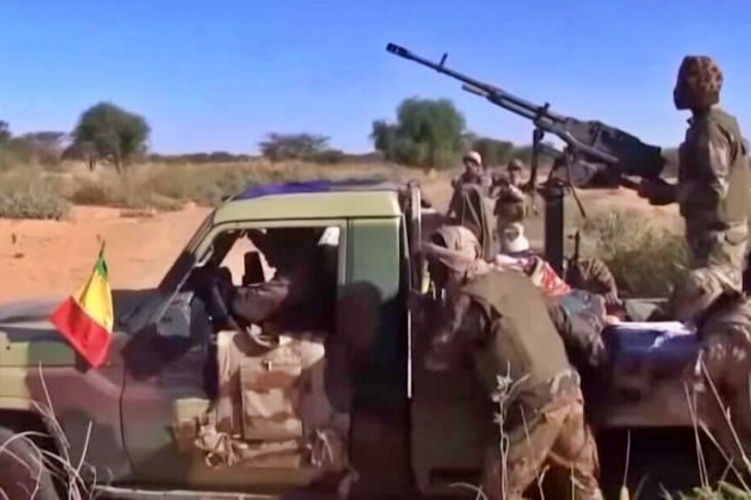
Despite the scale and coordination of the attacks, which targeted multiple strategic locations including Gao, Sévaré, Kati, Kidal, and Bamako, there has been no visible deployment of this force.
The absence has reinforced perceptions that the unit remains largely theoretical, confined to policy declarations rather than operational readiness.
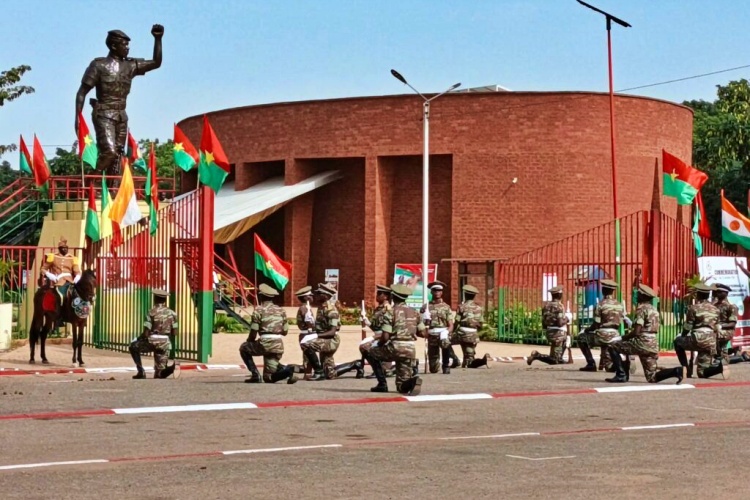
The timing of political engagements has further intensified criticism. While Mali faced one of its most significant security breaches in recent months, Burkina Faso’s transitional leader and current AES chair Ibrahim Traoré appeared in Bobo-Dioulasso alongside regional prime ministers for the opening of a national cultural event.
The juxtaposition of high-level political presence at a public ceremony while a founding member state endured a major security crisis has been widely interpreted as a misalignment of priorities within the alliance.
Allies in Retreat With Withdrawal of Russian Mercenaries From Kidal
Compounding the situation is the apparent retreat of Russian-linked forces operating under the banner of the Africa Corps. Initially positioned as a strategic partner in Mali’s counterinsurgency efforts, the force has reportedly withdrawn from Kidal following pressure from advancing rebel groups.
Accounts indicate that the withdrawal was negotiated, with some equipment left behind, fueling perceptions among local observers that external security guarantees are increasingly unreliable.
The offensive itself has been attributed to a coordinated push by jihadist elements associated with the Jama’at Nasr al-Islam wal Muslimin (JNIM), reportedly acting in concert with armed factions linked to the Azawad Liberation Front (FLA).
Their ability to execute near-simultaneous attacks across geographically dispersed areas has underscored a level of coordination that starkly contrasts with the AES’s untested joint command structure.
Analysts argue that the AES communiqué reflects a defensive posture, leaning on familiar narratives of external interference while sidestepping operational shortcomings.
Delayed Responses Expose Strategic Gaps
The failure to mobilize the Unified Force during what was effectively a multi-front assault has become a focal point of criticism, particularly among populations expecting tangible security improvements following the alliance’s formation.
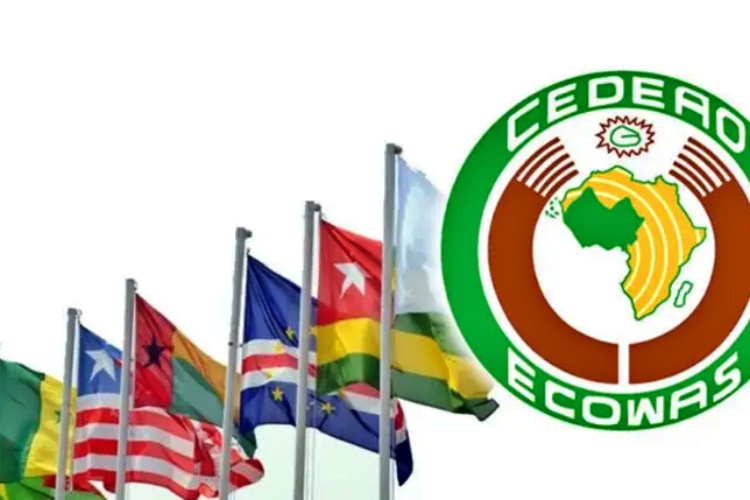
The developments also invite comparisons with the Economic Community of West African States, an institution the AES has often criticized as ineffective. Observers note that, in this instance, the AES response, limited to condemnation after the fact, mirrors the reactive approach it once sought to replace.
As Mali confronts the immediate consequences of the attacks, including the loss of key leadership figures and territorial setbacks, the broader implications for the AES are becoming increasingly difficult to ignore.
What was envisioned as a unified front against insurgency risks being perceived instead as a politically driven framework struggling to translate ambition into action.
In the evolving security landscape of the Sahel, the events of April 25–26 may mark a critical inflection point, one that tests not only the resilience of Mali’s transitional authorities but also the viability of the AES as a credible military alliance.






Leave a Reply