


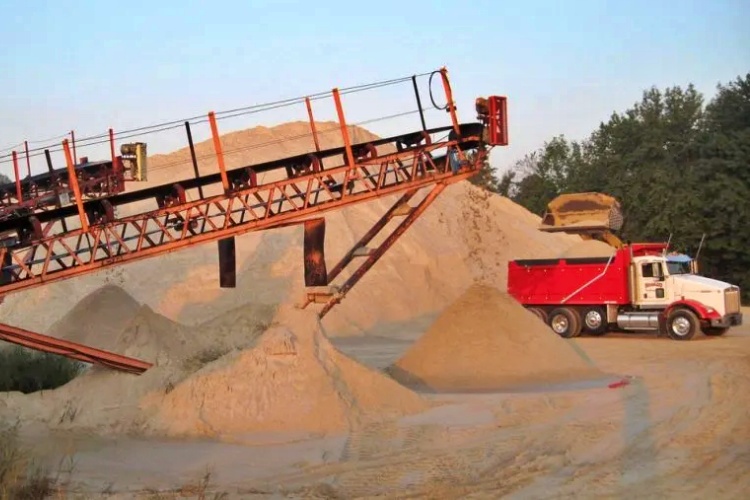
Gambiaj.com – (BANJUL, The Gambia) – Banjul residents are preparing to take to the streets over what they describe as years of exploitation without compensation. Their target is Sino-Majilac-JalBak, the company extracting sand along the capital’s coastline. Their complaint is straightforward: despite more than four years of mining operations, they say neither the city nor its residents have received a single dalasi in royalties.
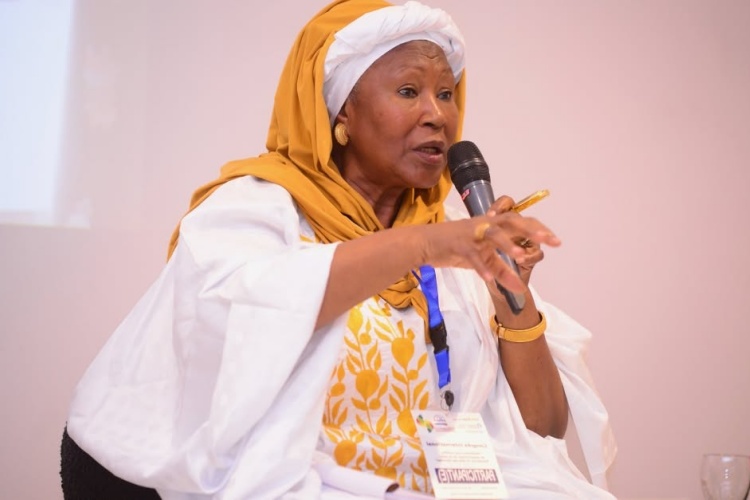
Leading the protest is Banjul Mayor Rohey Lowe, who argues that the figures paint a troubling picture. According to her, the company has generated more than D400 million from sea-dredging operations, with more than 100 truckloads of sand leaving the site every day for markets across the country. Yet, she says, Banjul—the community where the resource is extracted and where the environmental burden is felt—has seen none of the proceeds.
“Our infrastructure is suffering,” Lowe said. “Banjulians are crying and they demand answers.”
For residents, the issue goes beyond unpaid royalties. They say Banjul continues to bear the environmental and social costs of large-scale sand extraction, including pressure on fragile coastal ecosystems, worsening erosion risks, and damage to local infrastructure from the constant movement of heavy trucks, while the economic benefits are enjoyed elsewhere.
Mayor Lowe said the city council has spent years trying to resolve the matter through dialogue. A 10-member committee was established to pursue the issue, engaging stakeholders, including Mr. Jagne, the Banjul-born owner of Majilac. Despite repeated meetings, the council says no meaningful progress has been made.
For nearly two years, the council also sought answers through official channels. It engaged the Ministry of Lands and Local Government and the Accountant General’s Department, but according to the mayor, the process produced little more than assurances that never materialized.
Having exhausted those avenues, Lowe has now called for a peaceful protest on 27 August at Denton Bridge. A request for a police permit has already been submitted to the Inspector General of Police.
Where Do the Royalties Go?
The dispute has also exposed uncertainty over who is ultimately responsible for ensuring Banjul receives its share of mining revenues.
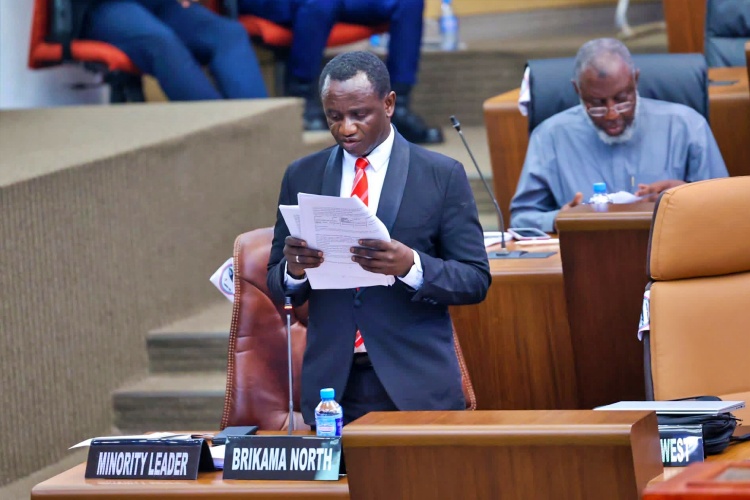
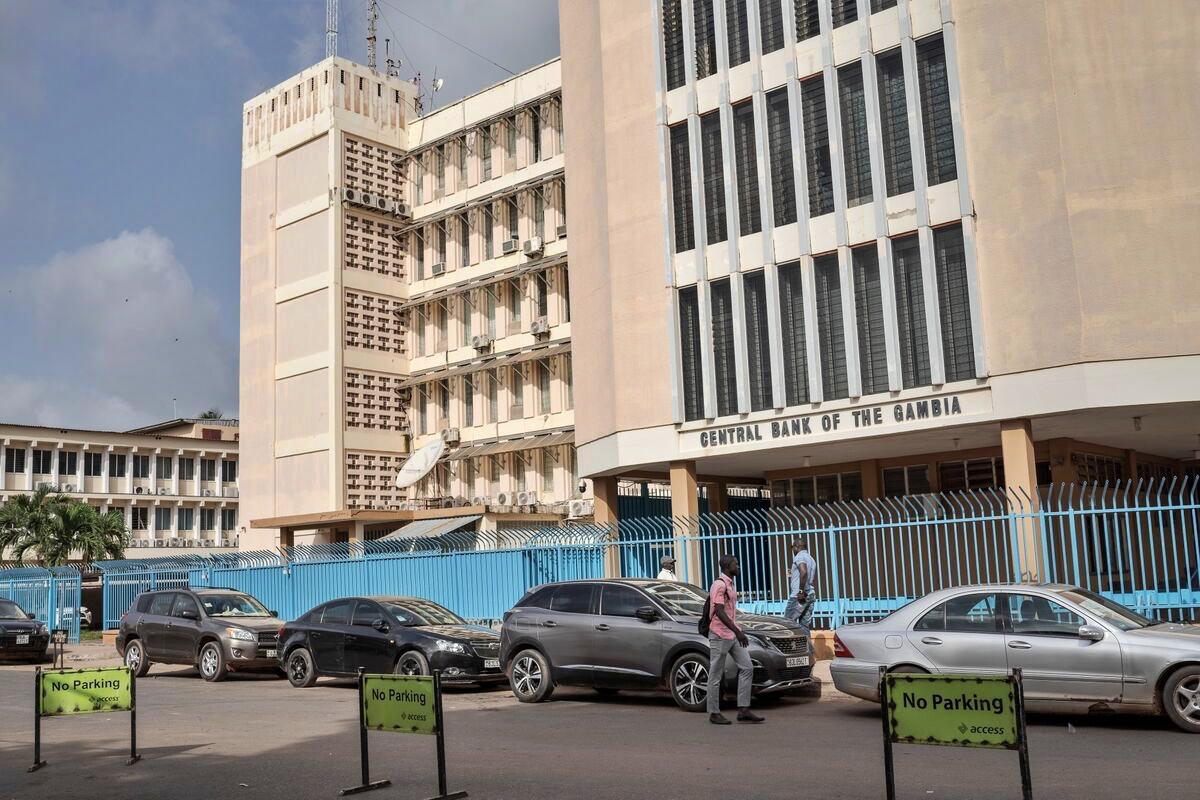
Finance Minister Seedy Keita said his ministry merely serves as the custodian of government revenues. Any transfer of funds, he explained, must be initiated by the relevant sector ministry—in this case, the Ministry of Petroleum, Energy and Mines.
Petroleum, Energy, and Mines Minister Nani Juwara confirmed that mining royalties are paid into the government’s Consolidated Fund. However, he said decisions on how those revenues are subsequently allocated do not fall under his ministry’s mandate.
The differing explanations leave a significant accountability gap. Neither ministry accepts responsibility for ensuring the host community receives the royalties it claims are owed, even as sand extraction continues uninterrupted.
Minister Juwara also said he was unaware of the planned protest.
A Resource-Rich Community Left Behind
The dispute reflects a broader challenge in The Gambia’s extractive sector. Communities that host mining operations, like Sanyang, have long complained that they shoulder the environmental disruption while seeing little or no benefit from the wealth generated from their natural resources.
In Banjul, that concern is particularly acute. The city is already battling coastal erosion, aging infrastructure, and increasing climate-related pressures.
Residents argue that continued sand mining without visible local investment only deepens those challenges, leaving the capital with the environmental costs while profits and public revenues flow elsewhere.
As the planned protest approaches, attention is likely to focus not only on the unpaid royalties but also on a broader question of resource governance: whether communities that bear the environmental impact of extraction should continue to watch their natural wealth leave without receiving a fair share of its benefits.












Leave a Reply