



Gambiaj.com – (BANJUL, The Gambia) – ECOWAS Commission President General Birame Diop has called for the effective implementation of the bloc’s regional competition framework, saying West Africa must build markets that are open, fair, and competitive as it seeks to deepen economic integration.
Speaking at the inaugural annual conference of the ECOWAS Regional Competition Authority in The Gambia, General Diop said regional integration should go beyond removing barriers to trade and create conditions in which businesses can compete on equal terms.
“An integrated market can deliver its full potential only when economic operators are able to compete on equitable terms,” he said. “We must therefore not only open our markets but also ensure that they remain open and competitive.”
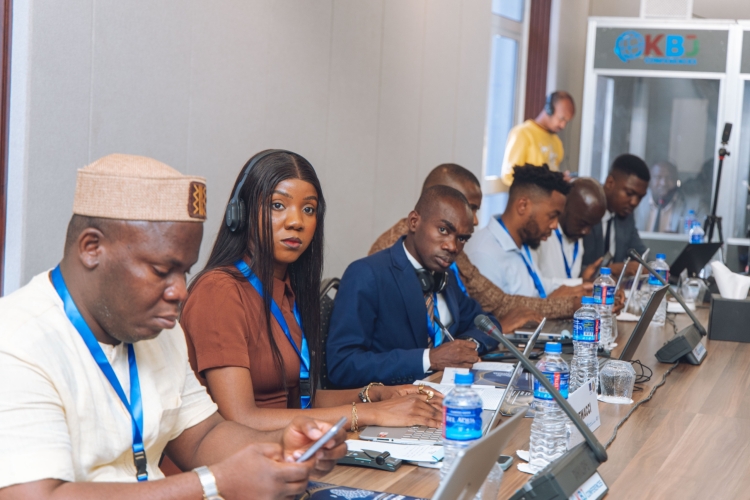
The conference, held in The Gambia, brought together regional organizations and international development partners, including the West African Monetary Union, African Development Bank, UNCTAD, World Bank, OECD, and the European Union.
Competition Policy As A Tool For Integration
General Diop said competition policy promotes efficiency, innovation, and investment while protecting consumers and allowing businesses to grow based on productivity and the quality of their products and services.
He described competition policy as “an essential economic policy and a powerful instrument of regional integration.”
ECOWAS began laying the foundation for its regional competition regime in the mid-2000s, with the adoption of the Regional Competition Policy Framework in 2007 and Community Competition Rules in 2008, followed by the establishment of the Regional Competition Authority.
While acknowledging progress in strengthening the Authority’s legal, institutional, and operational framework, General Diop said the priority now should be effective implementation across member states.
He said sectors such as agriculture, agribusiness, energy, transport and logistics, telecommunications, and health require competitive markets if the region is to increase production, create jobs, and add more value within West Africa.
Focus On Cocoa And Digital Markets
The ECOWAS President also welcomed plans by the Regional Competition Authority to launch the active phase of a market investigation into the cocoa value chain.
He described cocoa as an important regional sector, particularly for Côte d’Ivoire and Ghana, which are among the world’s leading cocoa producers, and urged member states and other stakeholders to participate fully in the investigation.
General Diop also called for greater development of regional value chains, saying West Africa could no longer remain a collection of national markets operating alongside one another.
“Our ambition must be to build a genuine regional market in which production, processing, financing, and distribution can take place across borders with fewer artificial obstacles,” he said.
He said this would require common rules, stronger cooperation between institutions, and closer collaboration between the Regional Competition Authority and national competition authorities.
The ECOWAS President further highlighted the growing importance of the digital economy, including e-commerce, digital financial services, digital platforms, and data-driven businesses.
He said these developments were creating new opportunities but also raising questions about market access, innovation, consumer protection, and the exercise of market power.
ECOWAS, he said, must ensure that its competition framework remains responsive to these changes and that its institutions have the expertise and capacity to address emerging challenges.
Gambia Pledges Support for Regional Authority
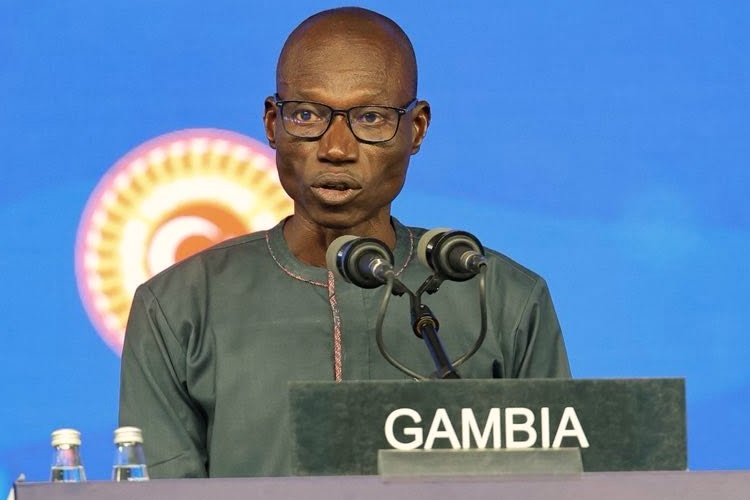
Vice President Muhammed B.S. Jallow, representing President Adama Barrow, welcomed delegates to The Gambia and described the gathering as the first annual conference of the ECOWAS Regional Competition Authority.
Jallow said effective competition rules were essential to addressing market barriers and cross-border challenges while creating opportunities for regional growth.
He said sound competition policies could protect consumers from unfair pricing, provide a stable environment for businesses, and help attract long-term investment.
The Vice President particularly highlighted the potential impact on low-income families, women operating in local markets, and young entrepreneurs.
“By dismantling unfair practices, appropriate competition enforcement measures serve as a vital shield for our most vulnerable citizens,” he said.
He said The Gambia was continuing to strengthen its domestic competition and consumer protection framework through the Gambia Competition and Consumer Protection Commission.
Jallow also pointed to legislative reforms, including the Competition and Consumer Protection Bill of 2026, and said the country’s merger regulation was expected to come into force this year.
As host country, he reaffirmed The Gambia’s commitment to meeting its obligations under the regional competition framework.
Permanent Headquarters Planned For The Gambia
Vice President Jallow disclosed that the Gambian government had formally allocated land for the construction of the permanent headquarters of the ECOWAS Regional Competition Authority.
He called on the ECOWAS Commission and international development partners to work with The Gambia to secure funding for the construction of the headquarters.
Jallow said cross-border anti-competitive practices could not be effectively addressed by individual countries acting alone.
He called for stronger cooperation between national authorities, information sharing, and sustained political commitment among ECOWAS member states.
He urged participants to ensure that discussions on transport, telecommunications, energy, agriculture, and the digital economy resulted in practical measures that could benefit citizens.
“The citizens of West Africa expect tangible outcomes that include, but not limited to, lower costs of living, expanded opportunities for small and medium-sized enterprises, and robust regional trade,” he said.
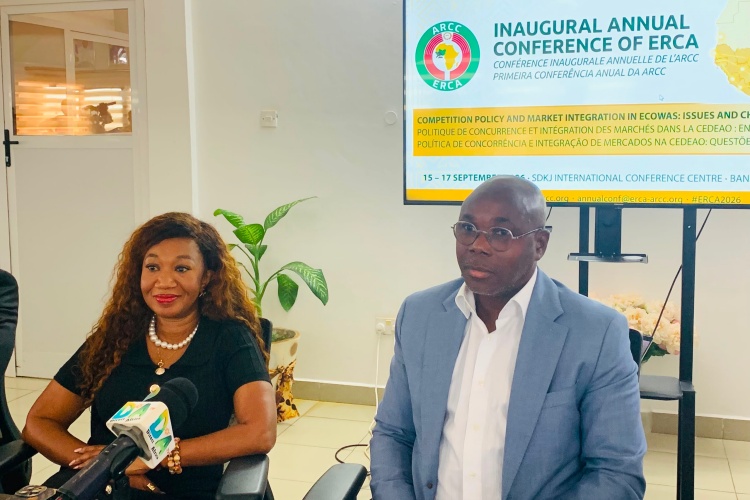
The inaugural conference is focused on Competition Policy and Market Integration in ECOWAS: Issues, Challenges, and Opportunities, as the regional bloc seeks to strengthen the foundations of a more integrated West African market.







Leave a Reply