


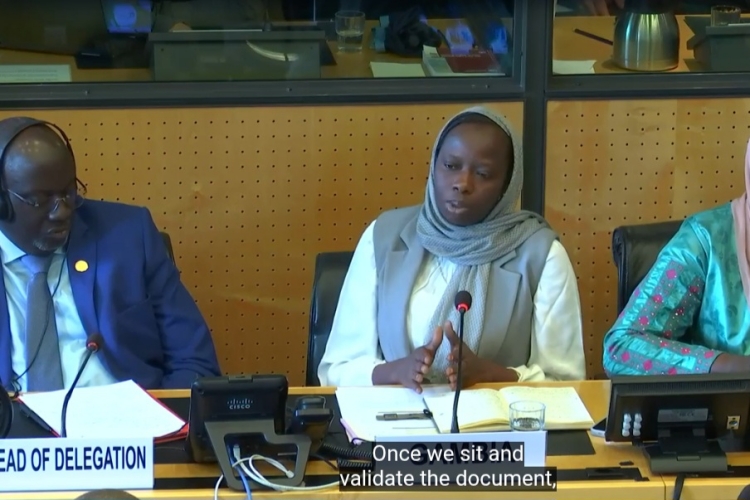
Gambiaj.com – (BANJUL, The Gambia) – The Government of The Gambia has submitted a wide-ranging report to the United Nations Committee on the Protection of the Rights of All Migrant Workers and Members of Their Families, outlining progress in migration governance, labor protection, anti-trafficking enforcement, and migrant rights, while candidly acknowledging persistent shortcomings in data collection, legislative coverage, and the implementation of commitments already made.
The report, submitted under The Gambia’s obligations to the International Convention on the Protection of the Rights of All Migrant Workers and Members of Their Families, documents a country that has undertaken notable legal and institutional reforms since the democratic transition but one that continues to grapple with the forces driving thousands of its citizens onto dangerous migration routes each year.
Data Gaps Undermine Monitoring Capacity
Among the most telling admissions in the document is the government’s acknowledgement that it still does not systematically collect data across several critical areas of migration governance. Statistics on complaints filed by migrant workers, immigration-related detentions, expulsions, and many categories of rights violations are either incomplete or not maintained at all.
While officials say efforts are underway to modernize national data systems, the absence of reliable information raises serious questions about the country’s ability to monitor whether migrant protections are working in practice or only on paper.
The 2005 Massacre: Reparations Advancing, Prosecutions Pending
The report revisits one of the most harrowing episodes in Gambian history, the 2005 massacre of West African migrants, citing findings from the Truth, Reconciliation and Reparations Commission (TRRC). More than 67 migrants were unlawfully killed by security forces acting under the orders of former President Yahya Jammeh’s regime.
The government says 54 victims have been recognized for reparations, with D32.4 million allocated through the national reparations program. However, criminal prosecutions connected to the killings remain pending as part of the still-evolving accountability process, a delay that continues to weigh on justice for the victims’ families.
Labor Reforms and Equal Protections, Three Trafficking Convictions, No Smuggling Law
On labor rights, the government highlights the Labor Act 2023 as a landmark development, citing its strengthened protections against workplace discrimination, guarantees of equal pay for equal work, and enhanced inspection mechanisms.
The report affirms that migrant workers lawfully present in The Gambia are entitled to the same labor protections as Gambian nationals.
Anti-trafficking efforts feature prominently throughout the submission. Authorities report that three convictions have been secured under the Trafficking in Persons Act, with offenders receiving prison sentences and fines. Two trafficking victims have also received reparations through court proceedings.
Yet a significant legislative gap remains. Despite years of concern over irregular migration routes connecting West Africa to Europe, The Gambia still has no law specifically criminalizing migrant smuggling.
Officials say a Smuggling of Migrants Bill is currently under development, though no timeline for passage has been provided.
Root Causes Acknowledged, Responses Limited
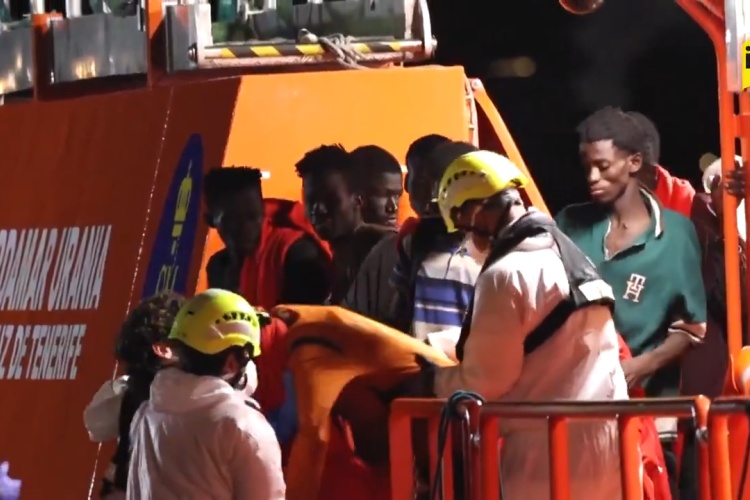
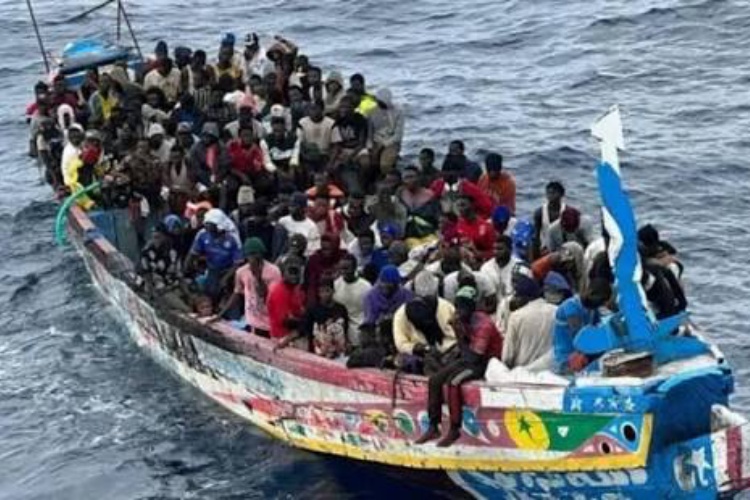
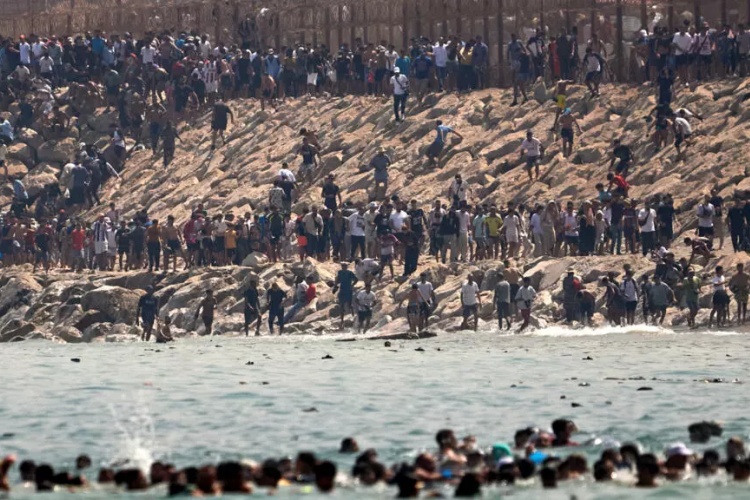
The report is candid about why so many Gambians continue to risk everything on the “backway.” Youth unemployment, economic hardship, and the perception of better opportunities abroad are identified as the primary drivers of irregular migration.
“Socio-economic factors, including limited employment opportunities and the perception of better economic prospects abroad, continue to influence the migration decisions of some Gambian nationals,” the report states.
Government programs such as Tekki Fii and the Youth Empowerment Project are cited as responses aimed at addressing root causes by creating jobs and supporting entrepreneurship. But irregular migration, the report itself concedes, remains a major national challenge.
Consular Support Abroad, Diaspora Voting Rights Ignored
The government also outlines efforts to support Gambians stranded or detained abroad, including consular assistance, documentation support, and diplomatic interventions in Libya, Niger, and Tunisia, countries where Gambian migrants have frequently faced detention, exploitation, and abuse.
On the politically sensitive question of diaspora voting, the report reveals that meaningful progress remains elusive despite a Supreme Court ruling affirming the constitutional right of Gambians living abroad to vote.
In 2025, the National Assembly removed provisions for diaspora voter registration from the Elections Bill, leaving Gambians overseas still unable to participate in elections unless they physically return home to register and vote.
For a diaspora community whose remittances sustain tens of thousands of Gambian households, it is a grievance that continues to fester.
Remittances: A Lifeline in the Billions, Reform Ambitions Meet Realities
The economic significance of migration to The Gambia is difficult to overstate. According to figures from the Central Bank of The Gambia cited in the report, remittance inflows reached approximately US$775.6 million in 2024 and are estimated to have climbed further to around US$872 million in 2025, making the diaspora one of the country’s single largest sources of foreign exchange.
The government points to the National Migration Policy, the Labour Migration Strategy and Action Plan, anti-trafficking frameworks, and ongoing immigration law reforms as evidence of deepening institutional commitment to migrant protection.
But throughout the report, officials repeatedly acknowledge the constraints of limited resources, weak data infrastructure, irregular migration pressures, and the need for deeper international cooperation.
In a press release, the government of The Gambia says it “welcomed the questions, observations and guidance of the Committee, which will serve as important inputs in strengthening national laws, policies and administrative practices relating to migrant workers and members of their families“.
As The Gambia prepares to engage with the UN Committee in its upcoming review, the report presents a nation at a crossroads: one that has made genuine legal and policy strides since 2017 but one where the gap between written commitments and lived realities for migrants, at home and abroad, remains wide.
The review process will test not only the quality of The Gambia’s laws but also whether those laws are reaching the people they were designed to protect.









Leave a Reply