


Gambiaj.com – (PARIS, France) – Key members of the North Atlantic Treaty Organization have declined to participate in a U.S.-led blockade of Iranian ports ordered by Donald Trump, exposing fresh divisions within the transatlantic alliance as tensions escalate in the Middle East.
Officials from Britain and France made clear on Monday that they would not support the blockade, which Washington began enforcing following the collapse of weekend negotiations aimed at ending a six-week conflict with Iran.
Instead, European allies signaled their intention to pursue a separate, post-conflict initiative focused on safeguarding maritime navigation.
President Trump had initially suggested a broader multinational effort to control shipping through the strategic Strait of Hormuz, but U.S. military officials later clarified that the blockade would target vessels traveling to or from Iranian ports. Trump also warned that any Iranian ships approaching the blockade could be destroyed.
The move comes amid heightened instability in the vital shipping corridor, through which roughly one-fifth of global oil supplies typically transit.
Since the outbreak of hostilities on February 28, Iran has largely restricted access to the waterway, allowing passage primarily to its own vessels while signaling ambitions to assert long-term control and potentially impose transit fees.
British Prime Minister Keir Starmer underscored London’s refusal to be drawn into direct military action, despite what he described as “considerable pressure.” He emphasized that the United Kingdom’s priority remains the protection of maritime trade once hostilities subside, rather than engagement in ongoing combat operations.
Similarly, French President Emmanuel Macron announced plans to convene a multinational conference aimed at establishing a defensive mission to restore safe passage through the strait.
The proposed initiative would involve coordination among approximately 30 countries, including European and Gulf states, as well as India, to escort commercial vessels and enforce agreed navigation protocols after a ceasefire is reached.
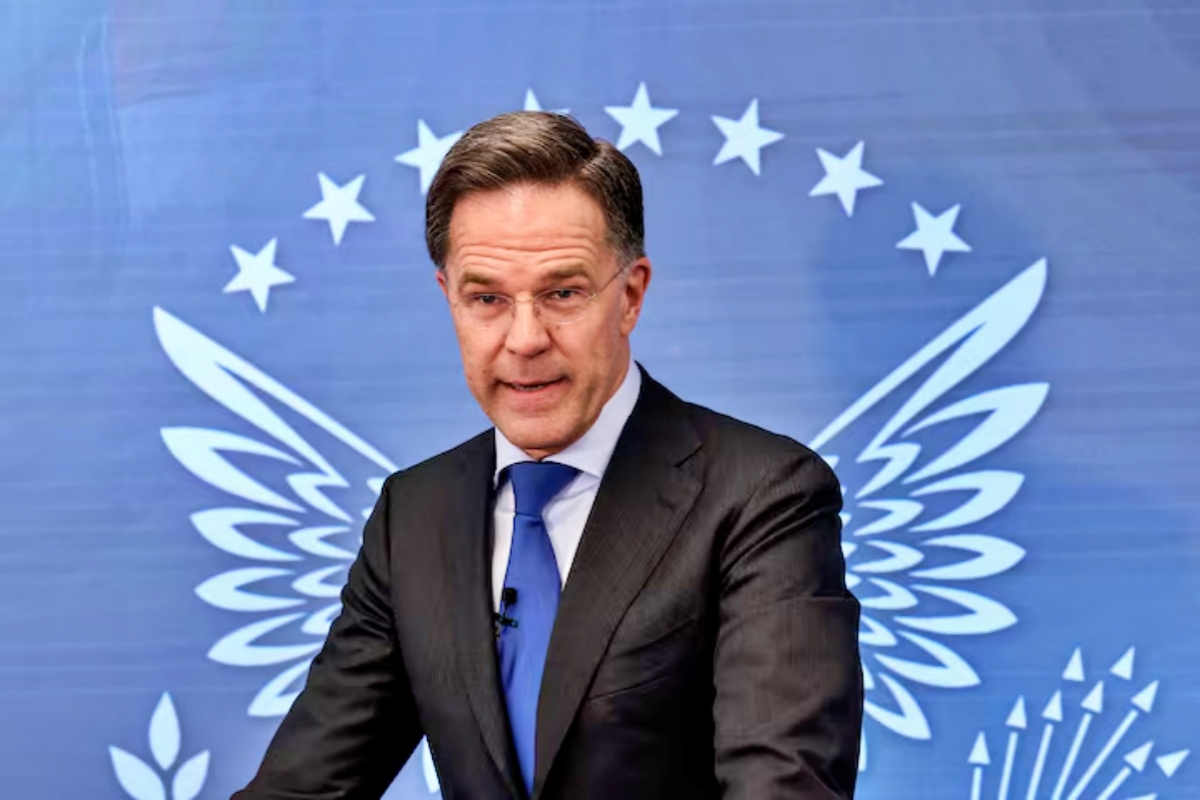
According to Mark Rutte, the alliance could still play a role in securing the waterway if consensus emerges among its 32 members. However, several governments have indicated that any such involvement would depend on a durable end to the conflict and assurances from Iran regarding the safety of international shipping.
The dispute over the blockade adds to mounting friction between Washington and its European allies. President Trump has previously threatened to scale back U.S. commitments to NATO and is reportedly considering withdrawing troops from Europe after some countries denied American warplanes access to their airspace for strikes against Iran.
Diplomatic uncertainty also surrounds the European-led maritime initiative, with some officials questioning whether Washington would support an alternative framework that could dilute its leverage in the crisis.
Meanwhile, Hakan Fidan called for a diplomatic resolution to reopen the Strait of Hormuz, cautioning that establishing an international military force would be complex. He also urged NATO to recalibrate its relationship with the United States ahead of a planned summit in Ankara in July.
As the standoff continues, the diverging approaches underscore a broader strategic split within NATO over how to manage escalating tensions with Iran while preserving the stability of global energy supply routes.




Leave a Reply