


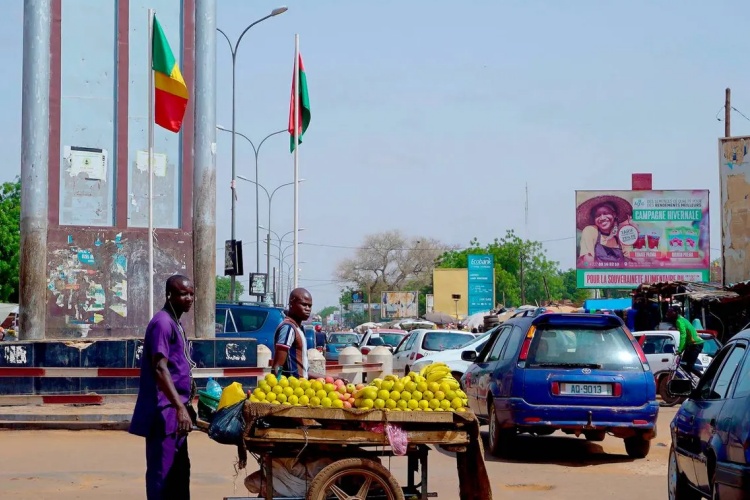
Gambiaj.com – (NIAMEY, Niger) – Niger’s capital experienced a second relatively calm night following Saturday’s failed mutiny, but the violent confrontation between rebel soldiers and forces loyal to the ruling junta has raised concerns about potentially lasting divisions within the country’s military.
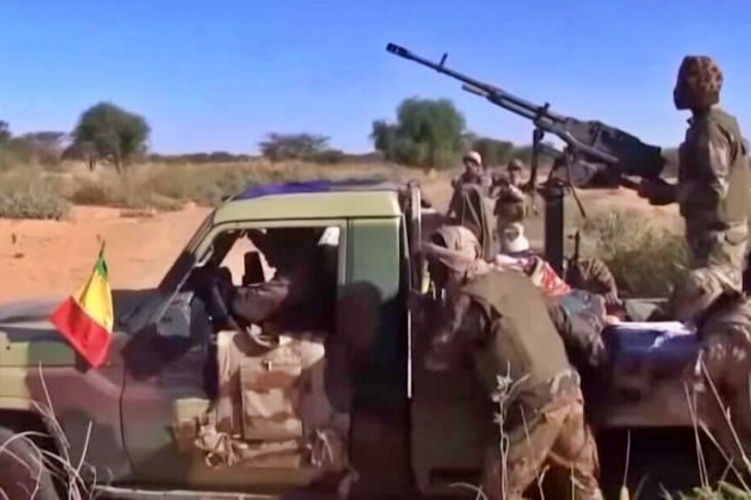
Security remained tight in Niamey on Sunday as normal activities gradually resumed after clashes between insurgent soldiers, reportedly drawn mainly from Niger’s special forces, and the presidential guard.
The mutineers, whose primary operational role has been fighting jihadist groups across the country, reportedly targeted key state institutions and seized control of at least one military barracks.
Questions Over Military Unity
The presidential guard remained loyal to junta leader General Abdourahamane Tiani but was reportedly unable to contain the mutineers alone. Russian troops from Africa Corps are believed to have played a decisive role in helping government forces suppress the rebellion.
The events have nevertheless exposed questions about cohesion within Niger’s armed forces and whether the clashes could deepen internal tensions.
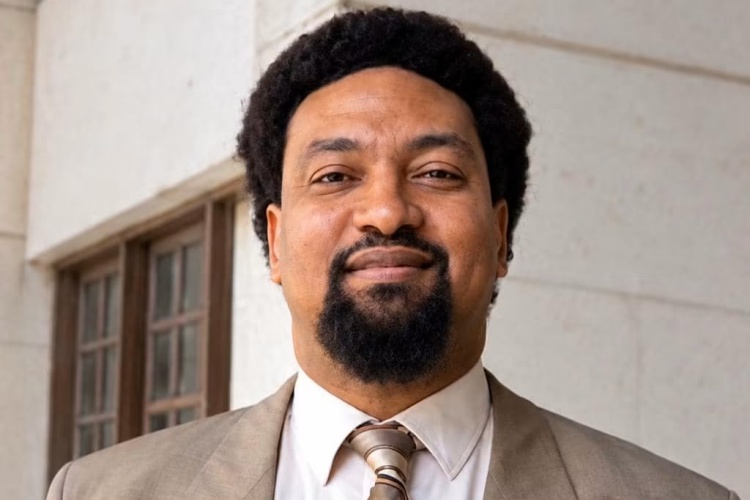
Political scientist Mathias Hounkpé, head of the Electoral Institute for Sustainable Democracy in Africa, warned that the failed rebellion could leave significant consequences within the military.
He said attempted mutinies are often followed by purges or disciplinary measures, warning that the manner in which authorities handle sanctions could further aggravate tensions.
Hounkpé also cautioned that divisions between military units could, at least in the short term, affect the operational capacity of an army already heavily engaged in the fight against jihadist groups.
He argued that authorities should investigate the underlying reasons that led soldiers to turn against fellow members of the armed forces and address the deeper challenges confronting Niger’s military.
AES Force Absent
One of the most notable aspects of Saturday’s events was the apparent absence of the joint force established by the Alliance of Sahel States, comprising Mali, Niger and Burkina Faso.
The force, which General Tiani previously said would consist of more than 5,000 personnel, was created primarily to combat terrorism in the central Sahel and to provide assistance to any member state facing an attack.
Its absence during the crisis in Niamey has raised fresh questions about its operational readiness and capacity to respond rapidly to emergencies within member states.
Tiani Remains Out of Public View
More than 24 hours after the mutiny, General Tiani had not appeared publicly at the scene of the clashes or issued a direct statement on the violence.
His absence has drawn attention because, following a jihadist attack on Niamey’s airport in June, the junta leader visited the affected area shortly after the incident.
Instead, state television on Sunday evening broadcast a report highlighting improving relations between Niger and Algeria after months of tensions between the two countries.
Algeria recently delivered military equipment to Niger aboard two cargo aircraft and staged a symbolic flypast by fighter jets over Niamey.
Meanwhile, the Nigerien authorities have yet to release an official casualty toll from the clashes between rebel soldiers, mainly from the special forces, and the presidential guard, which was reportedly supported by Russian Africa Corps personnel.
As calm returns to Niamey, attention is now turning to how the junta handles the aftermath of the failed mutiny, and whether disciplinary measures and investigations will restore cohesion or deepen the divisions exposed within one of the region’s most battle-tested armies.




Leave a Reply