


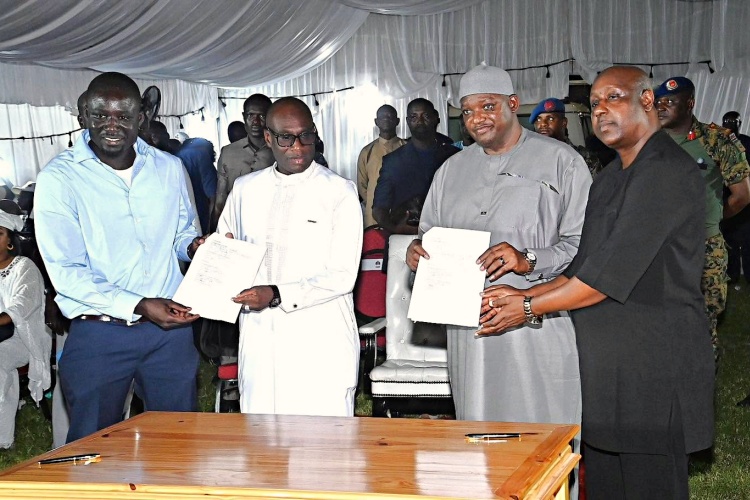
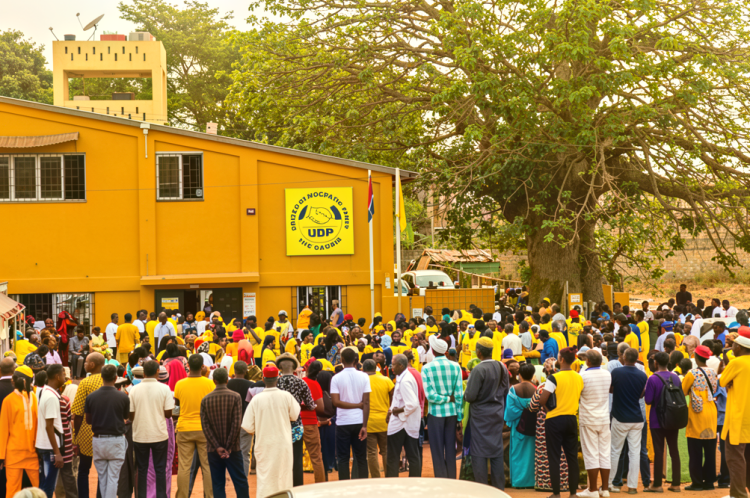
Gambiaj.com – (BANJUL, The Gambia) – For weeks, the alliance between President Adama Barrow’s National People’s Party (NPP) and APP-Sobeyaa generated intense public debate, suspicion, and speculation, with critics questioning whether the partnership was primarily about political appointments ahead of the 2026 presidential election.
The publication of the Memorandum of Understanding (MoU) between President Adama Barrow’s National People’s Party (NPP) and the All People’s Party-Sobeyaa (APP-Sobeyaa) has now offered Gambians an unusually detailed glimpse into the political calculations shaping alliances ahead of the December 2026 presidential election.
The document provides the clearest picture yet of the agreement, revealing a document heavily weighted toward institutional reforms, governance commitments, and measurable timelines rather than the distribution of public offices.
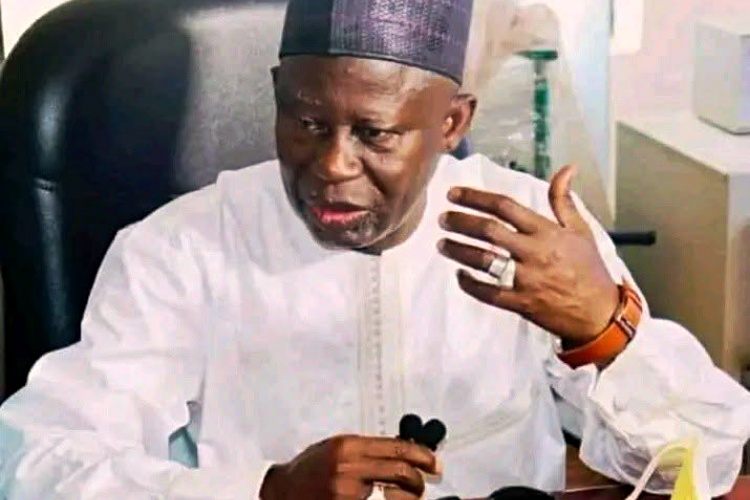
Perhaps the most striking disclosure is contained in the section dealing with representation in government. While the agreement guarantees APP-Sobeyaa positions in an NPP-led administration should President Barrow secure re-election, it explicitly records “the expressed wish of the Secretary General of APP-Sobeyaa not to hold a direct position in government.”
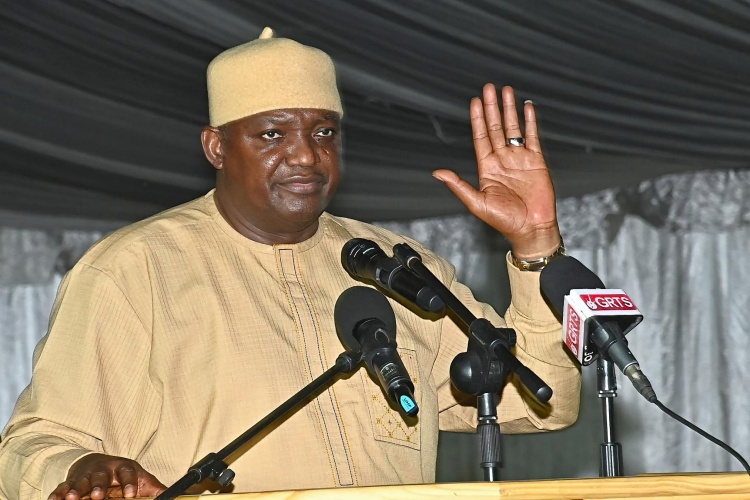
The provision reinforces a message repeatedly advanced by Essa Faal since announcing the alliance: that his engagement with the ruling party is driven by reform objectives rather than personal ambition.
A reform pact rather than a power-sharing deal?
Unlike many political agreements that remain broad declarations of cooperation, the NPP–APP-Sobeyaa document lays out a detailed agenda to be pursued between 2027 and 2031.
At the top of that agenda is the enactment of a new Constitution, including presidential term limits, stronger checks and balances, and enhanced democratic accountability—issues that have remained unresolved since the collapse of earlier constitutional reform efforts.
The parties also commit themselves to electoral reforms, including diaspora voting, operationalizing the Anti-Corruption Commission, implementing outstanding recommendations of the Truth, Reconciliation and Reparations Commission (TRRC), and pursuing security sector reforms under democratic civilian oversight.
Beyond governance issues, the agreement ventures into bread-and-butter concerns affecting ordinary Gambians.
It promises measures to address the rising cost of living, reforms of the civil service, expansion of national health insurance, and a strategy to boost agricultural production and food security.
Notably, the document repeatedly stresses measurable delivery, public reporting, and accountability mechanisms, an attempt to move beyond the often-criticized pattern of political promises that remain unfulfilled after elections.
Transparency Through Public Pressure
The release of the memorandum itself reflects another development in Gambian politics: growing public demands for transparency in political alliances.
Since the announcement of the NPP–APP-Sobeyaa partnership, sections of the public, civil society, and political commentators had called for the terms of the agreement to be made public, arguing that voters have a right to know the basis upon which parties seek political cooperation.
The publication of the document appears to be a response to those demands, allowing citizens to scrutinize the commitments made and judge the partnership against clearly stated benchmarks.
Even so, one element remains undisclosed. The agreement notes that the minimum government positions reserved for APP-Sobeyaa are contained in a confidential annex, leaving some questions about the political arrangement unanswered.
Still, by placing the main text of the memorandum in the public domain, both parties have opened themselves to a level of scrutiny that has often been absent from coalition politics in The Gambia.
The challenge now for APP-Sobeyaa will be to convince supporters that the alliance can indeed deliver long-promised reforms.
It also presents an opportunity for the NPP to demonstrate that coalition-building ahead of the 2026 election is not only about expanding political numbers but also about defining a program of governance that voters can monitor and assess.
In the end, the document itself offers a standard by which the alliance says it wishes to be judged: not by the positions allocated, but by the reforms implemented and the difference they make in the lives of Gambians.








Leave a Reply