


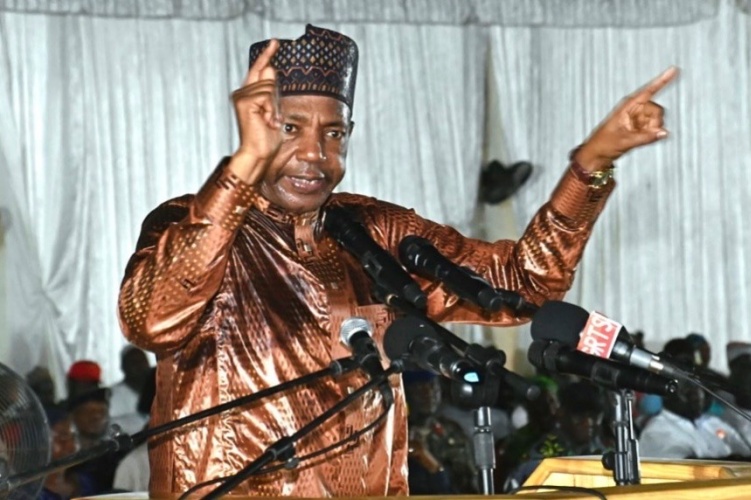
Gambiaj.com – (BANJUL, THE GAMBIA) – The Ministry of Lands, Regional Government, and Religious Affairs says it will soon gazette official records of all land allocations made in The Gambia from 2017 to date as it moves to address public concerns over land distribution and allegations of irregularities in the allocation process.
Speaking at a press briefing on Tuesday, Lands Minister Hamat N.K. Bah said the Ministry was working to ensure that all land allocations are officially published in accordance with the law. He also disclosed that the entire allocation system is currently being audited.
Ministry Dismisses Circulating Land Allocation List
The minister dismissed a list of land allocations circulating in the public domain, describing it as misleading and containing inaccurate information. He explained that some names on the document belonged to applicants whose requests had only been proposed for approval but had not completed the necessary procedures.
“Even those who were proposed to be given and not given are published as given land,” Mr Bah said, explaining that the circulation of incomplete information had created confusion among members of the public.
He maintained that allocating land to individuals or companies was not unlawful, provided the established procedures and regulatory requirements were followed.
On whether a company could receive more than one plot, the minister said this was permissible where it had different business ventures, met the relevant criteria, and demonstrated its capacity to create employment.
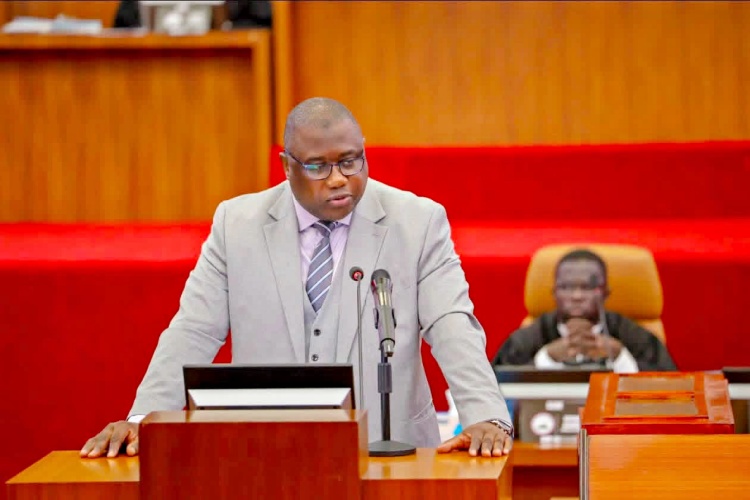
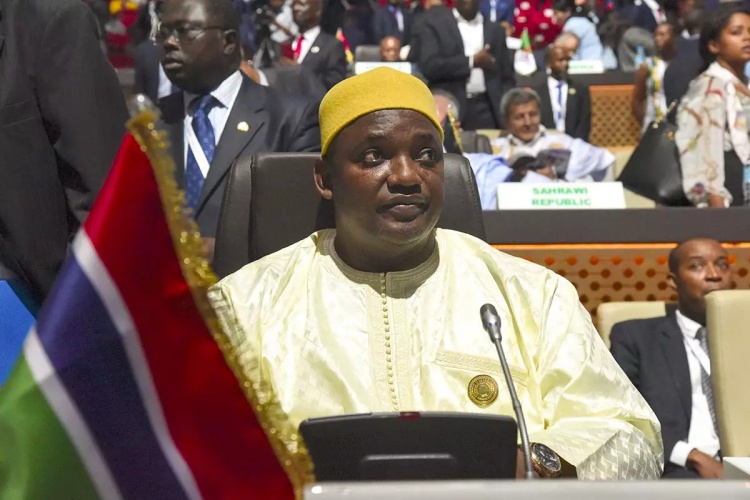
Meanwhile, Dr Samba Sowe, Head of the Ministry’s Planning Unit, provided an update on the implementation of the National Land Policy, which was launched by President Adama Barrow in December 2025, with implementation beginning in January 2026.
He said a Steering Committee and a Land Policy Implementation Unit had been established and were fully operational to oversee the implementation process.
Among the developments, Dr Sowe said the alpha version of the National Land Management Information System (LMIS) had been completed and was undergoing testing at the Department of Lands and Surveys.
He added that a tender had been awarded to LIS Company to establish a Data Conversion Centre responsible for digitizing existing land records, including old leases, for integration into the online system.
The Ministry is also reviewing several land-related laws, some dating as far back as 1881, 1945, and 1991. The Physical Planning and Development Control Act has already undergone review, amendment, and validation.
Minister Defends Local Government Commission of Inquiry
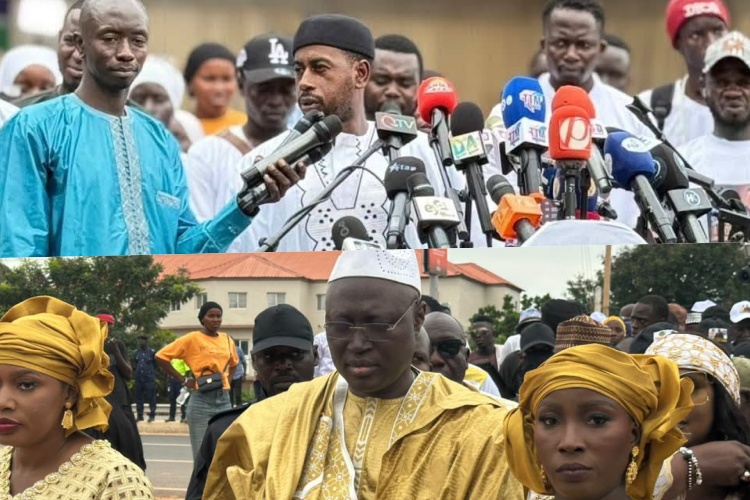
On the Local Government Commission of Inquiry report, which has been published and gazetted, Mr Bah rejected suggestions that the investigation was politically motivated or specifically targeted at individuals, including Talib Bensouda.
He said Mr. Bensouda had himself publicly called for an investigation into alleged corruption at the Kanifing Municipal Council (KMC) and had requested the Ministry to initiate one. According to the Minister, the Commission was established in response to that request before Mr Bensouda declared his intention to contest the presidency.
Mr Bah explained that the law requires a Commission of Inquiry report to be published within six months, failing which it becomes void. He added that individuals adversely mentioned in the report must be formally notified upon completion of the Commission’s work, a process he said was carried out in May.
Those affected were given three months to challenge the findings in court, with some having already exercised that right.
The Minister also dismissed allegations that the government’s White Paper had been altered or generated using artificial intelligence, describing the claims as false.
He said the Commission’s report had been kept confidential and sealed, adding that even Cabinet ministers did not have access to the document.
Mr. Bah further stressed that the Commission’s recommendations were not automatically binding on the government, which was not obliged to accept every recommendation. He said the evidence underpinning the findings had been preserved for possible court proceedings.
He also clarified that the White Paper did not recommend banning anyone from contesting elections.







Leave a Reply