


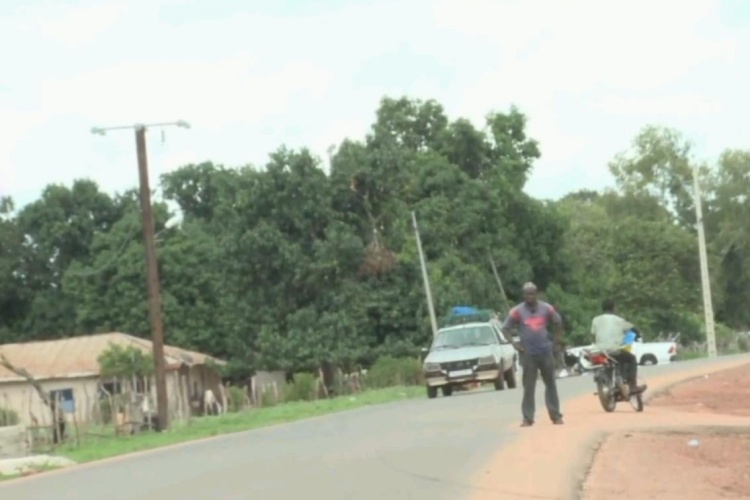
Gambiaj.com – (SELETY, Senegal) – Despite an agreement announced this week by Senegal and The Gambia to settle their long-running border differences, tensions remain high in communities along the frontier, where disputes over land and territorial claims continue to fuel frustration.
In Séléty, a Senegalese village close to the Gambian border, residents say the problem is no longer something they can simply leave to the authorities to resolve.
More than 30 hectares of land are alleged to have been occupied by Gambian nationals who cultivate the land, divide it into plots, and sell them. Residents say they have repeatedly brought the matter to the attention of the authorities but have yet to see meaningful action.
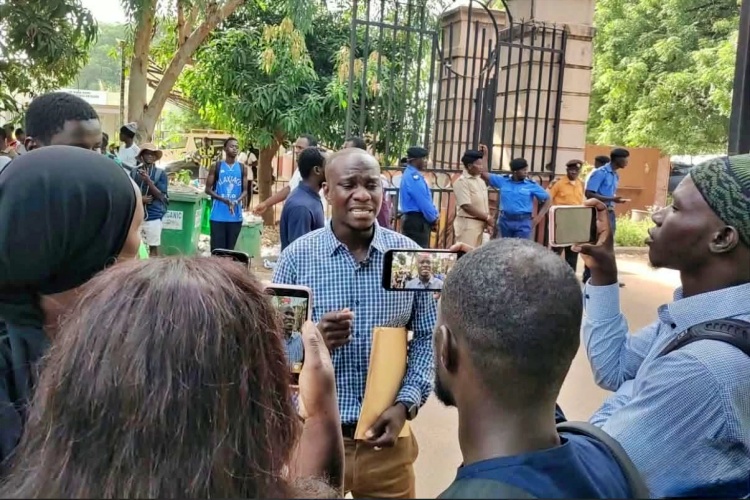
Ismaïla Coly, president of the Union pour le Développement de Séléty, said the community had documented the alleged occupation and sent reports to the authorities.
“We have taken photographs and submitted reports, but the State has never reacted,” Coly said.
He said areas between Jiboro and Omoto, as well as towards Brome, are being used by Gambian nationals for farming and land transactions.
The situation has become particularly worrying because of growing frustration among young people in the area.
Local traditional leaders and elders have been urging residents to remain calm and allow the authorities to handle the matter. But Coly said patience was running thin.
“If the State does nothing, the population will eventually take responsibility,” he warned.
That warning has raised fears that what began as a dispute over land could eventually turn into a confrontation between communities on either side of the border.
Agreement yet to calm tensions
The concerns in Séléty come only days after Senegal and The Gambia announced what they described as a definitive agreement aimed at clarifying and securing their common border.
The announcement followed weeks of heightened tensions after an incident at Bulock in July, when Senegalese soldiers were accused by The Gambia of entering the Bulock military camp and demolishing part of its perimeter fence.
The Gambian government described the incident as “profoundly provocative and totally unacceptable” while maintaining that Gambian soldiers at the scene showed restraint.
Senegal, for its part, said the area had been the subject of discussions between the two countries for years and maintained that questions over the border remained unresolved.
The Bulock incident brought renewed attention to a problem that has been building quietly in several border communities: uncertainty over where the frontier lies and who has the right to use or control particular pieces of land.
The latest agreement is therefore being watched closely by people living along the border.
A problem that goes beyond Séléty
The complaints from Séléty are not isolated. Across the Senegal-Gambia border, communities have for years dealt with disputes linked to farming, land ownership, settlement, and the movement of people.
The demarcation of the border and the installation of boundary markers were intended to reduce such disputes. But where the boundary remains unclear or where local populations dispute land claims, tensions can quickly rise.
In Séléty, residents say they want the authorities to settle the issue before it gets out of hand.
Their demands include clearly identifying the disputed areas, determining who legally owns the land, and taking action where land has been occupied or sold unlawfully.
For the villagers, the issue is about more than agriculture. They see it as a question of protecting their land, livelihoods, and community.
And while Dakar and Banjul have once again agreed to resolve their differences through dialogue, the mood in places like Séléty shows that an agreement between governments does not automatically settle disputes on the ground.
For now, the border remains calm enough to avoid a major confrontation, but the anger in Séléty and other affected communities is a reminder that the underlying tensions have not disappeared.
The real test of the new Senegal-Gambia agreement will therefore be whether it can finally bring clarity to the border and reassure communities that their land and interests will be protected.











Leave a Reply