


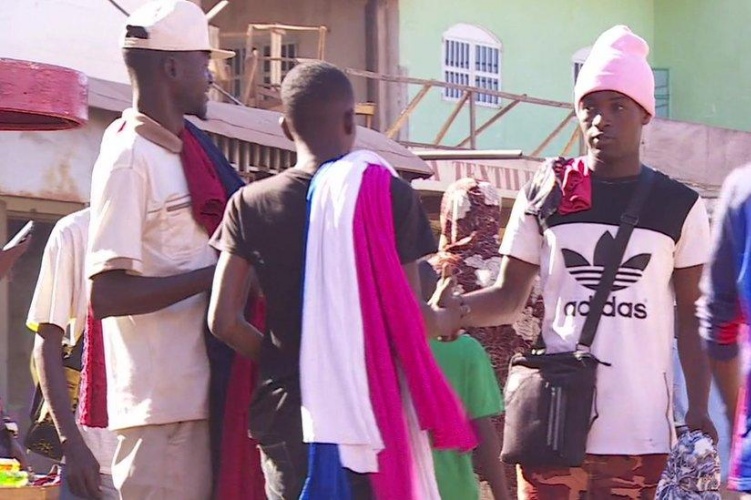
Gambiaj.com – (BANJUL, The Gambia) – As The Gambia moves closer to the December 5, 2026 presidential election, a growing number of young voters are questioning whether the politicians seeking their support are prepared to put national interest ahead of personal and political ambition.
Across political discussions, much of the focus has been on who should lead, which party should take the front seat, whose candidate should step aside, and how positions might be shared if an opposition alliance succeeds.
But for many young Gambians, the bigger question is whether political leaders are willing to make the same sacrifices they expect from voters.
“If these leaders genuinely want to change The Gambia, why can’t one of them step aside for another if that person has a better chance of winning?” asked Mariama Touray, a 24-year-old university student.
Her question reflects a growing frustration among young voters who say they are watching politicians negotiate leadership positions while young people continue to grapple with unemployment, rising living costs, migration pressures, and limited economic opportunities.
‘You Cannot Put Yourself First’
Lamin Ceesay, a 29-year-old small-business owner, said opposition politicians should stop treating political leadership as personal property.
“If you tell us that The Gambia is suffering and that you are the person who can save the country, then you should be ready to sacrifice your position if somebody else has a better chance,” he said.
“You cannot tell us to put The Gambia first while you are putting yourself first.”
For Fatou Jallow, a 27-year-old teacher, the issue is not simply the number of opposition parties competing for influence but whether their leaders are genuinely prepared to compromise.
“If everybody wants to be number one, then who is thinking about The Gambia?” she asked. “Somebody has to be willing to say, ‘I will support you because the country is more important than my ambition.’”
The concerns come as opposition politicians position themselves ahead of the presidential election, with different parties and political movements seeking alliances and attempting to establish a common alternative to the incumbent.
But among young voters, the debate is increasingly moving beyond party strength and political calculations.
They want to know what happens when political interests collide.
Who is willing to step aside for the sake of unity?
Who is willing to support another leader?
Who is prepared to accept a position below the one they originally wanted?
And who is willing to put national interest above party interest?
‘We Are Tired of Sacrificing for Politicians’
Ebrima Sanyang, a taxi driver, said young Gambians are tired of being asked to make sacrifices for politicians who appear unwilling to make sacrifices themselves.
“We are the ones they ask to attend rallies, campaign online, defend them, and vote for them,” he said.
“But when it comes to their own positions, suddenly nobody wants to sacrifice. How does that put The Gambia first?”
For Haddy Conteh, a trader, the concern goes beyond who eventually becomes president.
“We don’t want to replace one group of people fighting over positions with another group fighting over positions,” she said.
“We want jobs, better hospitals, better schools, and an economy where young people can build a future.”
The question of political positions appears particularly important to young voters who say they struggle to reconcile claims of national unity with the apparent reluctance of political leaders to compromise.
“If they all say the country is bigger than them, then let them prove it,” said Alieu Bah, a 26-year-old graduate.
“Let the person with the best chance lead and let the others support that person. If everybody wants to be at the top, then who is thinking about the people?”
Not Everyone Supports Stepping Aside
Not all young Gambians believe that stepping aside should automatically be the answer.
Sainabou Fofana, a 28-year-old marketing assistant, said political leaders should be allowed to pursue their ambitions and that voters should ultimately judge them on their programmes and records.
“Unity should not mean forcing everyone to support one person,” she said. “We need to know what each leader stands for and what they will actually do for the country.”
But even those who support political competition say opposition leaders will eventually have to demonstrate how they intend to work together if they want to win the confidence of voters.
For Muhammed Sanneh, a 25-year-old entrepreneur, the real test is what happens when one politician loses.
“You can have ten opposition leaders today, but if they genuinely care about the country, the person who loses should be able to support the person who wins,” he said.
“If you cannot accept losing for the sake of The Gambia, then don’t tell us that you are doing politics for the country.”
A Generation Watching Closely
The frustration is particularly strong among young people who say they have spent years hearing promises of political change while watching political disagreements repeatedly overshadow issues affecting their daily lives.
Awa Darboe, a 23-year-old student, said politicians need to understand that young voters are paying closer attention to their conduct.
“We are not kids anymore,” she said. “We can see when politicians are fighting over positions. Don’t tell us it is about the people when everything seems to come back to who will become president, vice president, or minister.”
For Ousman Njie, a 33-year-old mechanic, the question is straightforward.
“If you cannot put the country before yourself when you are asking for our votes, why should we believe you will put the country before yourself when you get power?” he asked.
That question could become increasingly difficult for opposition leaders to avoid as the election approaches.
Young Gambians say they are watching who compromises, who insists on leading, who is prepared to support another candidate, and who is willing to accept a role smaller than the one they initially wanted.
They are also questioning whether political agreements reached before the election would survive once power is secured.
“If they cannot agree now when they need our votes, what happens when they get power and start sharing positions?” asked Mariam Colley, a 29-year-old civil servant.
Beyond One Candidate
For these young voters, the opposition’s challenge is therefore bigger than producing a single presidential candidate.
It is about demonstrating that the people seeking to lead The Gambia are capable of putting the country before themselves.
The December 5 election may test more than which politician can attract the most votes. It could also test whether Gambian opposition leaders are willing to make the compromises necessary to convince a skeptical generation that their ambition is not simply to occupy power but to serve the country.
For young Gambians watching the political maneuvering, the message is blunt:
“Don’t ask us to put The Gambia first if you are not prepared to do the same.”




Leave a Reply