


Gambiaj.com – (BANJUL, The Gambia) – The International Federation of Journalists (IFJ) has joined the Gambia Press Union (GPU) in firmly rejecting a government proposal that would grant the Public Utilities Regulatory Authority (PURA) sweeping powers to register, suspend, and revoke the licenses of journalists, online media outlets, and social media users.
The proposed regulations, introduced by the Ministry of Information, Media, and Broadcasting Services in collaboration with PURA, have sparked widespread concern across The Gambia’s media landscape. Journalists and civil society actors warn that the measures could undermine press freedom, restrict public debate, and weaken the media’s watchdog role.
Concerns intensified following an emergency meeting convened by the GPU on 8 April, which brought together media stakeholders and civil society organizations to scrutinize the draft regulations.
Participants concluded that a state-controlled registration and accreditation framework would effectively grant authorities arbitrary powers to determine who is permitted to practice journalism.
In response, the GPU resolved to challenge the regulation in both local and regional courts should it be enacted and enforced.
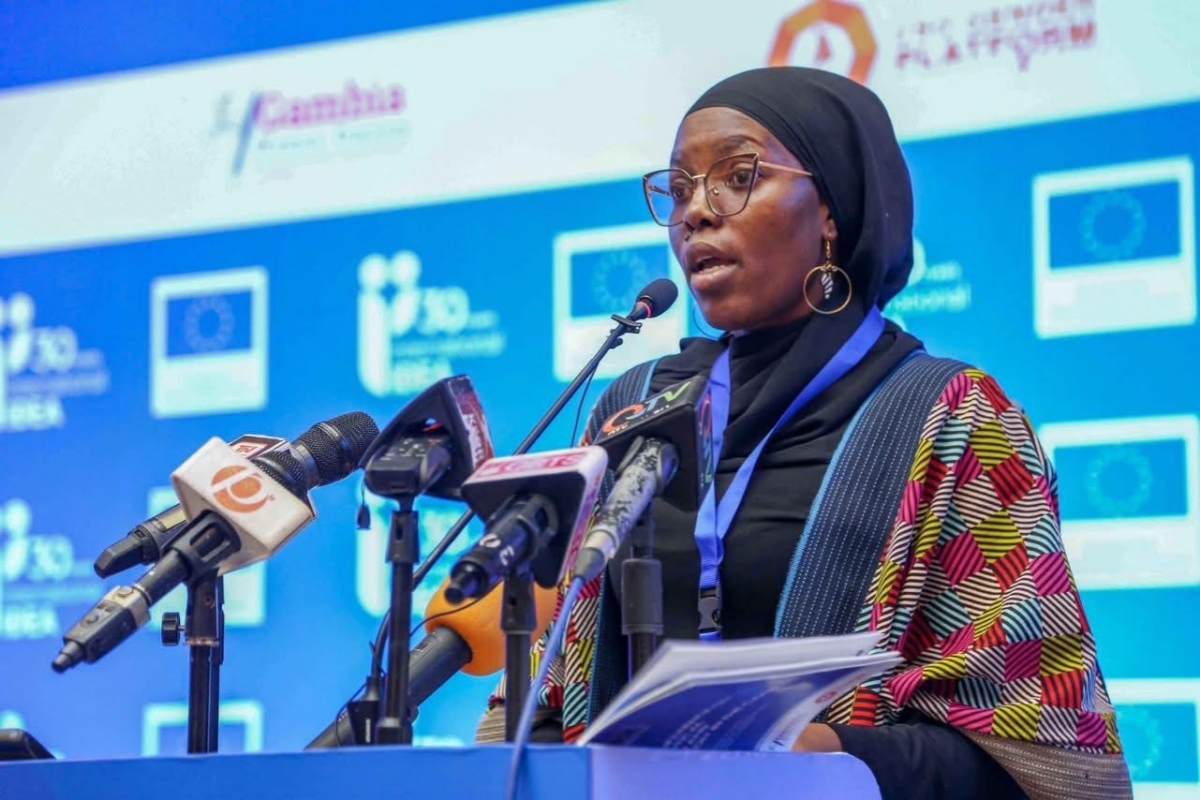
GPU President Isatou Keita said the union would not participate in the proposed consultations, arguing that doing so would legitimize what she described as a state-controlled system of accreditation targeting journalists, online media, and social media users.
Her stance has been reinforced by other actors within the media sector, many of whom are now urging journalists, media houses, and social media users to refuse registration under PURA.
Echoing these concerns, GPU Secretary General Modou S. Joof warned that the proposal risks reversing the significant gains made in press freedom and freedom of expression since The Gambia’s democratic transition.
He argued that granting PURA the authority to register, suspend, or revoke credentials of journalists and influential online voices amounts to an unlawful extension of administrative power.
Additional alarm has been raised over provisions within the draft regulation aimed at moderating online content. Critics fear these could be used to police speech rather than safeguard the public interest.
In a strong show of solidarity, IFJ General Secretary Anthony Bellanger explained that no democratic government has the right to determine who can or cannot practice journalism.
He urged authorities instead to foster an enabling environment for the media, grounded in internationally recognized standards on press freedom, freedom of expression, and journalist safety.
The unfolding controversy has also underscored a growing sense of unity among journalists and media professionals in The Gambia, many of whom are rallying behind the GPU’s position while welcoming the IFJ’s backing.
For many within the profession, the issue extends beyond regulatory policy. It is increasingly viewed as a critical test of whether hard-won democratic freedoms can withstand measures perceived as expanding state control over the press and digital expression.
As tensions mount, the dispute is expected to remain a central media freedom issue in the days ahead, with journalists, civil society groups, and regulators bracing for continued debate over the future of media practice in The Gambia.






Leave a Reply