


Gambiaj.com – (BANJUL, The Gambia) – The management of the Gambia Ports Authority (GPA) has come under scrutiny after urging striking workers to immediately resume operations, invoking intervention by the Presidency and concerns over national economic interests and the impact of the global economic climate.
An internal letter issued by GPA management on Thursday and addressed to the president of the Alport Staff Association reveals an effort to persuade workers to end their sit-down strike ahead of planned talks involving senior government officials.
The strike, which effectively paralyzed operations at the Port of Banjul, was launched by workers protesting unresolved welfare concerns and demanding greater control over staff welfare matters. Employees have insisted that their grievances be addressed before they return to work.
In the letter signed by Capt. Kulay Manneh on behalf of the Managing Director, the management described the workers’ action as an “abrupt decision” and warned of its “highly adverse impact” on national economic activities.
The correspondence disclosed that the Presidency had dispatched the Minister of Public Service, Babucarr Boye, and the Secretary to Cabinet and Head of the Civil Service, Alieu Njie, to engage GPA management following the work stoppage.
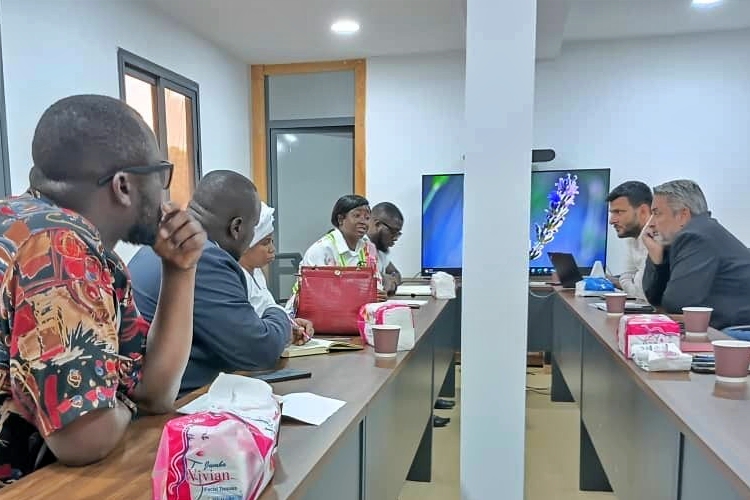
Management informed the union leadership that a meeting had been arranged for Saturday at the Sir Dawda Kairaba Jawara International Conference Centre involving cabinet members, GPA management, and representatives of Alport Banjul.
However, before the meeting takes place, management strongly urged workers to return to their posts.
“Furthermore, you are strongly urged to encourage all operations staff to resume their duties with immediate effect in national interest,” the letter stated.
Appeal Through National Interest
The tone of the letter suggests management is seeking to leverage the involvement of the country’s highest executive office as well as broader economic concerns to convince workers to suspend their industrial action.
By referencing both the presidency’s intervention and what it called the “current gloomy global economy,” management argued that the disruption of port operations could have wider consequences beyond the immediate labor dispute.
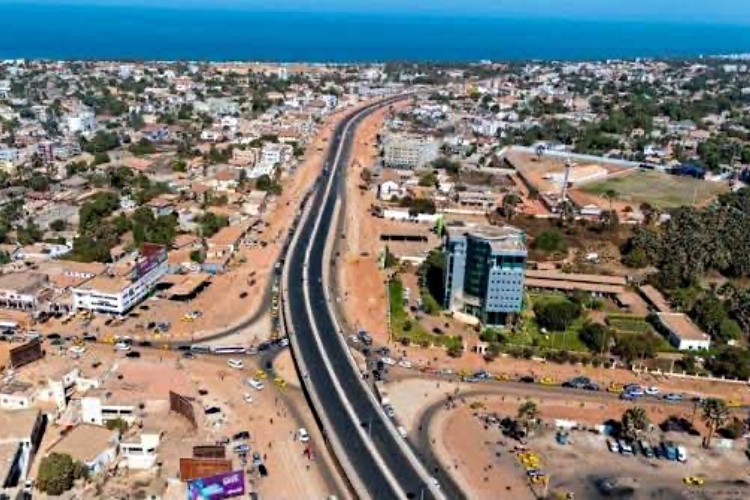
The Port of Banjul serves as The Gambia’s principal maritime gateway, handling the overwhelming majority of imports and exports. Any prolonged disruption has the potential to affect supply chains, customs revenue collection, and the movement of goods into and out of the country.
Workers, however, have maintained that their action stems from longstanding welfare concerns that have remained unresolved despite repeated engagements.
Strike Brings Port Activities to a Standstill
As reported on Thursday, operations at the Port of Banjul largely ground to a halt after workers embarked on a sit-down strike.
The president of the Staff Welfare Association, Adama Jatta, said employees would not resume work until their demands were addressed. Among the key issues raised by workers is the handling of staff welfare matters under the management arrangement involving Alport Banjul, the private operator engaged in port management.
The industrial action immediately affected cargo handling and other port services, raising concerns among businesses and government officials about possible disruptions to trade if the impasse persists.
The involvement of senior government officials indicates growing concern within government circles about the economic implications of the strike and the need to quickly restore normal operations at the country’s most important commercial port.
Whether workers will heed management’s appeal and return to work before Saturday’s negotiations remains uncertain, as union representatives continue to insist that concrete commitments are needed to address their grievances.















Leave a Reply