


Gambiaj.com – (BANJUL, The Gambia) – Members of the National Assembly on Thursday unanimously adopted a report on a study tour to Kenya on program-based budgeting (PBB), with lawmakers warning that the exercise would only be meaningful if its recommendations are fully implemented in The Gambia.
The report, jointly presented by the Finance and Public Accounts Committee (FPAC), the Public Enterprises Committee (PEC), and the Ministry of Finance and Economic Affairs, examined Kenya’s experience in program-based budgeting and broader public financial management reforms.
During the debate, lawmakers underscored the importance of evidence-based budgeting, stronger oversight mechanisms, and enhanced decentralization of public resources to improve efficiency and accountability in the management of public funds.
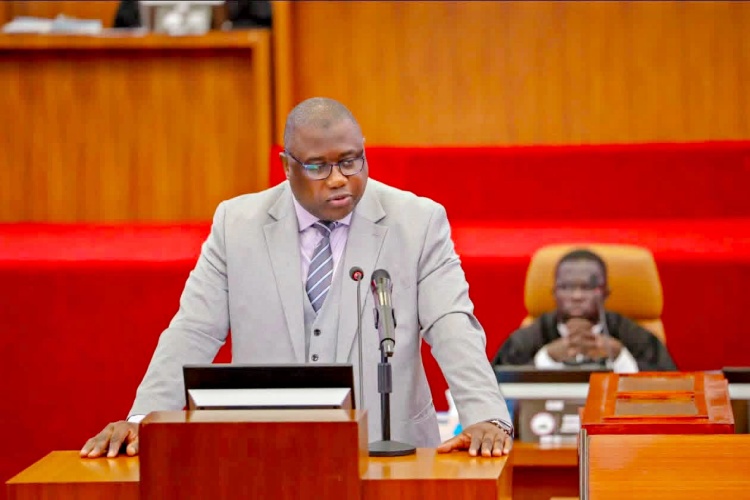
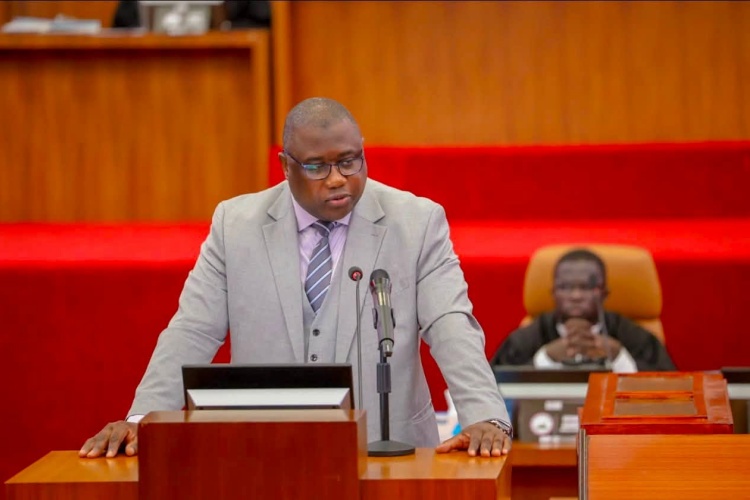
Contributing to the debate, the majority leader, Hon. Bilay G. Tunkara, said the most critical aspect of the exercise was not the study tour itself but the actionable recommendations emerging from it.
He highlighted four key proposals contained in the report: strengthening technical engagement between the Gambian and Kenyan treasuries, improving program design and performance indicators, enhancing parliamentary use of PBB data for oversight, and prioritizing capacity development and change management.
“These are the four action points the National Assembly should pay attention to,” he said, stressing that the recommendations must be implemented for the study tour to have real value for Parliament, taxpayers, and the country as a whole.
He further noted that the planned establishment of an Assurance Committee would help track implementation and ensure that agreed recommendations do not remain merely on paper.
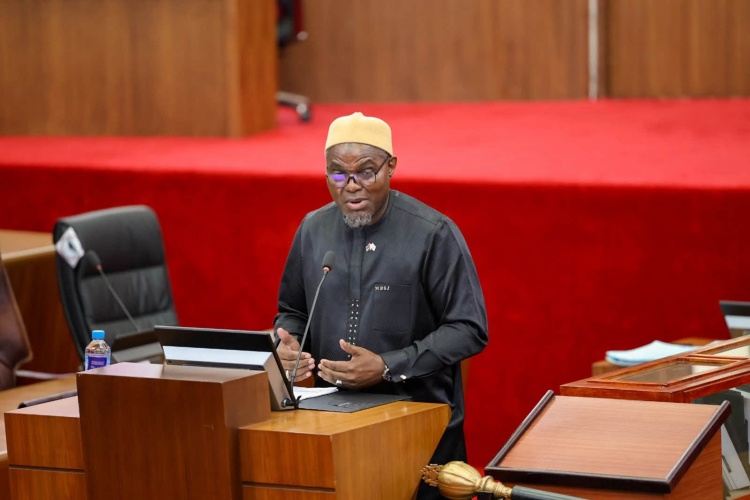
The Member for Kiang West placed the spotlight on the role of statistics and evidence in national budgeting, arguing that development planning must be guided by reliable data rather than assumptions. He challenged colleagues to reflect on whether national decisions are sufficiently informed by statistical evidence, posing pointed questions: “Do we use data to make our project decisions? Do we use statistics to make our allocation decisions?”
Citing maternal health outcomes as a case in point, he explained that statistical evidence could help Parliament determine whether challenges such as maternal mortality stem from a lack of health facilities, ambulances, medical personnel, or other systemic gaps, enabling more targeted and impactful resource allocation.
He called for closer collaboration between the National Assembly and the Gambia Bureau of Statistics to strengthen evidence-based decision-making across government.
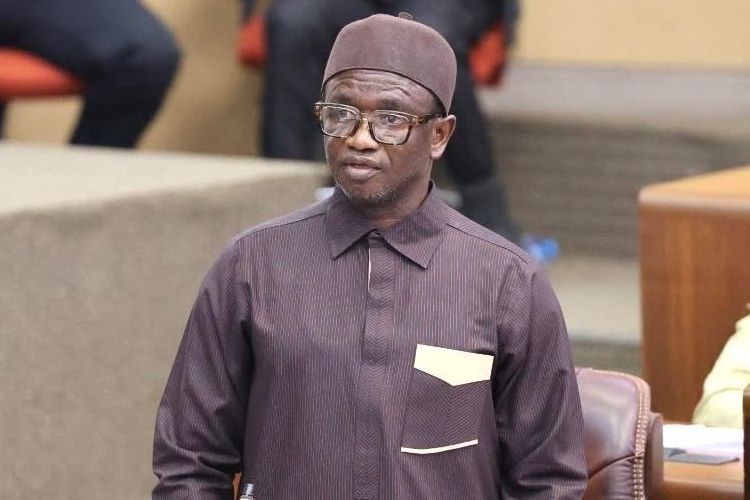
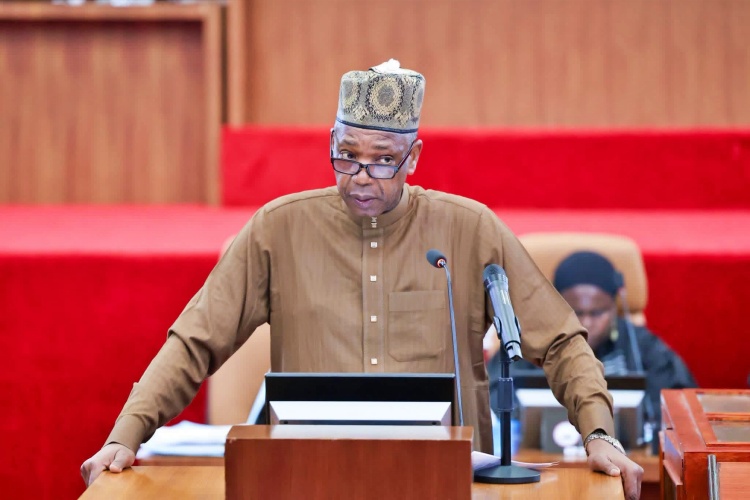
Hon. Sulayman Saho, National Assembly Member for Bundungka Kunda and a participant in the study tour, drew the House’s attention to Kenya’s devolved governance system, under which county governments are constitutionally guaranteed a share of national revenue.
He explained that counties receive funding based on factors such as population size and geographical considerations and are empowered to manage their own development through dedicated executive structures while remaining accountable to oversight institutions.
Hon. Saho noted that this arrangement significantly reduces pressure on the central government and allows communities to benefit more directly and tangibly from development initiatives. Drawing parallels with The Gambia, he argued that a strengthened decentralization framework and properly empowered local councils could markedly improve service delivery, provided they are backed by adequate resources and robust accountability mechanisms.
Lawmakers also stressed the urgency of implementing local government reforms and reinforcing oversight structures to ensure that public funds are deployed efficiently and transparently at all levels.
Closing the debate, the Speaker commended Members for what he described as a well-prepared and informative report, reflecting the quality of engagement the delegation brought to the Kenya visit.
He subsequently put the question to the floor, and the Assembly unanimously adopted the report, paving the way for the implementation of its recommendations within The Gambia’s public financial management framework.
The study tour to Kenya was conducted from 12 to 19 December 2025 as part of efforts to benchmark best practices in program-based budgeting, parliamentary oversight, fiscal accountability, and decentralized governance.



Leave a Reply