


The operationalization of The Gambia’s Anti-Corruption Commission has hit a significant setback after the government moved to replace one of three commissioners already approved by the National Assembly, citing corruption allegations against the nominee, an irony that has drawn sharp scrutiny from lawmakers.
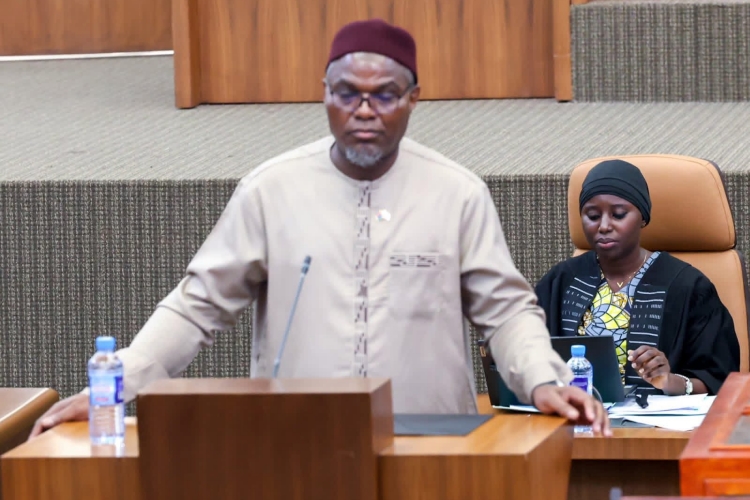
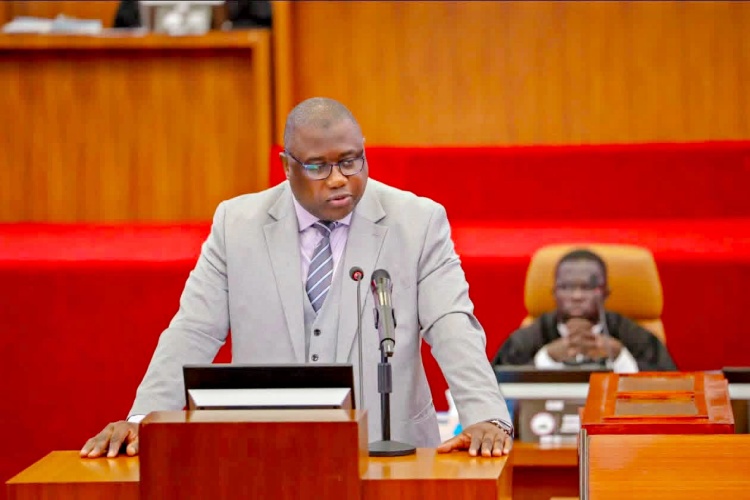
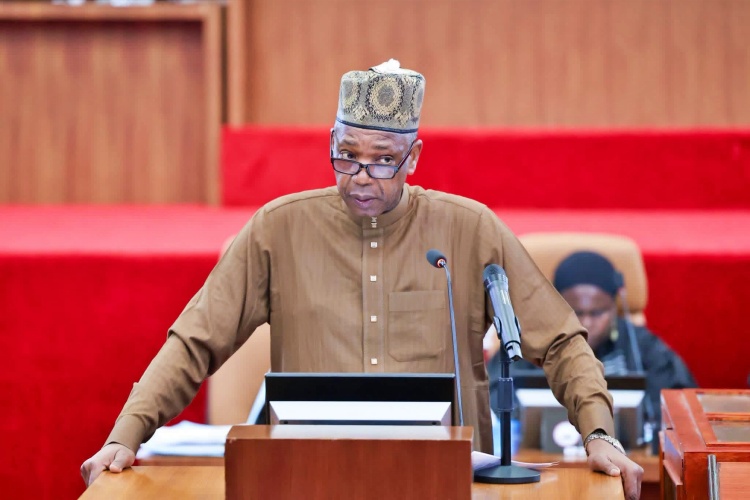
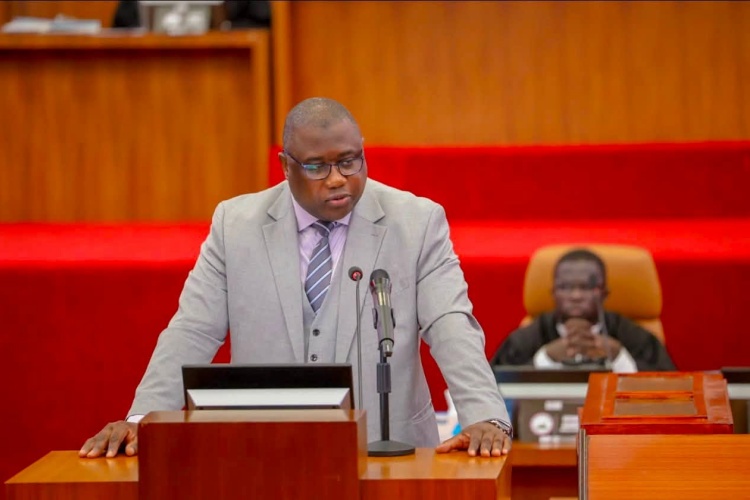
Vice President Muhammed B.S. Jallow made the disclosure on Wednesday during a session of the National Assembly, where legislators pressed him on why a body whose membership was approved as far back as December 2025 remains non-functional more than six months later.
The Vice President told the Assembly that the delay in issuing appointment instruments, the formal documents needed to inaugurate the commission, was directly tied to the government’s decision to drop one of the approved nominees over integrity concerns.
“The delay in issuing the appointment instruments is due to the need to replace one of the three approved nominees, in keeping with integrity and suitability standards set out in the Act,” VP Jallow told lawmakers.
The affected nominee, he revealed, is a police officer whose name had previously sailed through parliamentary vetting and received the approval of the National Assembly. Beyond that, the Vice President declined to provide further identifying details.
A Commission Meant to Fight Corruption, Entangled in Corruption Questions
The disclosure immediately sparked a vigorous debate on the floor of the Assembly. Lawmakers questioned the constitutional and procedural logic of removing someone who had already undergone the parliamentary vetting process and whether the government had the authority to unilaterally set aside an approval granted by the legislature.
Several members argued that allegations, without substantiated evidence, should not be sufficient grounds to disqualify a person from public service.
The principle at stake, some contended, is fundamental: a person is innocent until proven guilty, and acting on unproven claims risks setting a dangerous precedent that could be weaponized arbitrarily in future appointments.
Responding to those concerns, VP Jallow defended the government’s position, framing the decision as one of prudence rather than punishment.
“If you are supposed to be a member of the Anti-Corruption Commission and there are doubts being raised about corruption, the government felt that it’s better to replace that individual,” he said.
He was careful to clarify that the nominee had not been found guilty of any wrongdoing. Nevertheless, the Vice President maintained that the nature and significance of the concerns surrounding the individual were enough to justify intervention, arguing that the credibility of an anti-corruption body must be safeguarded from even the perception of impropriety.
Secretariat Under Renovation, Budget Allocated
Despite the hold-up, the Vice President assured lawmakers that groundwork for the commission’s eventual launch is actively progressing. He said the commission’s secretariat is currently undergoing renovation and that funding for its operations has already been secured within the 2026 national budget.
He also indicated that the search for a replacement nominee is at an advanced stage and is expected to be concluded shortly, though no firm timeline was offered for when the commission would finally become operational.
A Long Wait for an Institution the Country Needs
The Anti-Corruption Commission, established under an act of the National Assembly, is envisioned as a cornerstone institution in The Gambia’s governance reform agenda, empowered to independently investigate and prosecute corruption in public institutions and among public officials.
The fact that the commission, more than half a year after receiving parliamentary approval for its membership, has yet to open its doors is a matter of growing public concern.
Corruption remains one of the most persistent challenges undermining public trust in government institutions across The Gambia, and the delay in standing up the very body designed to confront it sends an uncomfortable signal about the pace of reform.
For now, the commission’s launch remains contingent on the government completing a replacement process that has no confirmed end date, leaving one of the country’s most anticipated accountability institutions in limbo.












Leave a Reply