


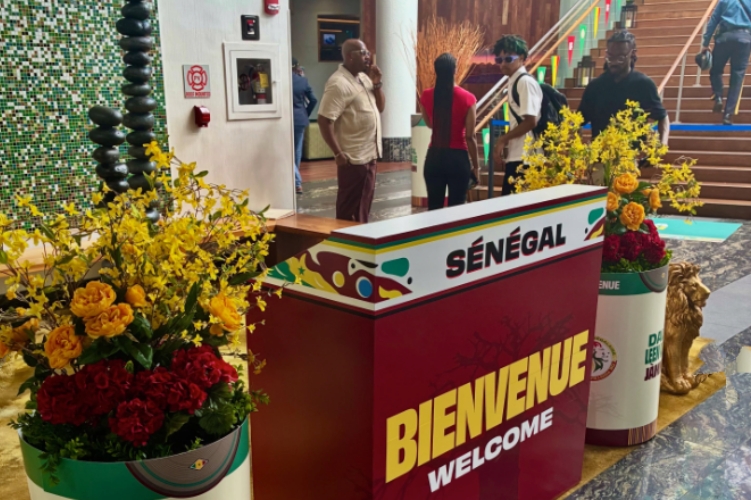
Gambiaj.com – (NEW BRUNSWICK, United States) – Just six months after lifting the Africa Cup of Nations title, Senegal’s celebrated Lions are embroiled in a storm that has nothing to do with football.
A bombshell account published this Friday by prominent sports journalist Mansour Loum, a well-known face on Sport News Africa and a regular consultant on Canal+ Africa’s flagship program Talent d’Afrique, has painted a deeply troubling picture of life inside the Senegalese national team camp as the squad prepares for the FIFA World Cup.
Loum’s damning assessment, shared publicly this week, describes what he calls “the current situation of the Lions since they joined their base camp,” and the details are as alarming as they are revealing.
Bonuses Paid, But Players Left Empty-Handed?
Perhaps the most inflammatory allegation concerns match bonuses from the 2025 Africa Cup of Nations.
According to Loum, the Confederation of African Football (CAF) had transferred the full bonus payments to the Senegalese Football Federation (FSF) weeks ago. Yet, sources close to the situation suggest the players have yet to receive their share of those funds.
If confirmed, this would represent a serious breach of trust between the federation and the very men who delivered Senegal its continental glory, and would add fresh fuel to longstanding concerns about financial transparency within African football administrations.
Hotel Woes and Hungry Players
The troubles do not end with money. The delegation’s base at a hotel in New Brunswick, New Jersey, has reportedly left much of the squad deeply dissatisfied. According to Loum, the quality of accommodation and catering has fallen well short of what professional athletes require and deserve.
Most strikingly, some players have reportedly been forced to order food from outside restaurants because the meals provided at the hotel are not up to the nutritional standards expected of elite international footballers.
For players assembled since late May, the prolonged stay under such conditions has reportedly begun to weigh heavily on morale.
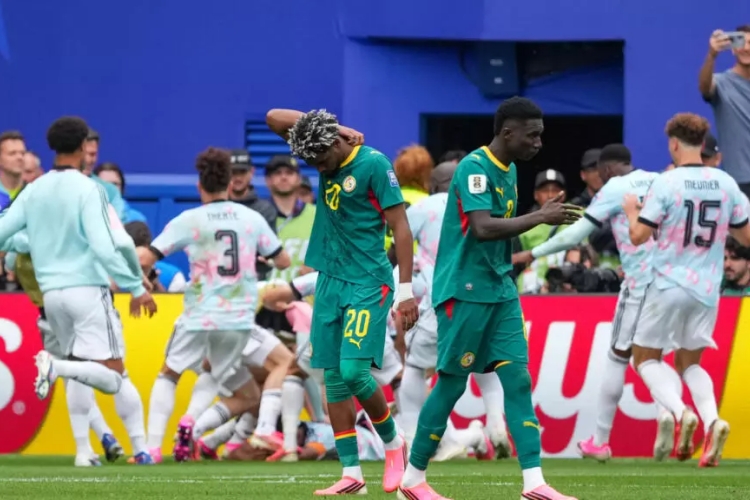
Sources close to the federation also indicate that the technical staff granted the players a rest day following the match against France, a decision some interpreted as an attempt to ease the tension building around what one source cryptically described as a “mystery” surrounding the selection.
A Champion Coach Without a Contract
But the most politically explosive revelation may be the situation surrounding the head coach himself. According to Loum, interim coach Pape Thiaw, the man who guided Senegal to the 2025 AFCON title, has still not signed a formal contract with the FSF despite being in charge of the team during one of the most important tournaments in the country’s footballing history.
To justify this inertia, the federation has retreated behind the convenient argument that the urgency of upcoming matches demands that such matters be deferred.
It is a posture that raises uncomfortable questions, a calculated strategy, and a deliberate attempt to buy time to observe how the Lions perform at this World Cup before deciding whether Pape Thiaw deserves a renewed mandate or whether a poor run of results might make parting ways with him a cheaper and less complicated affair.
While those within the federation’s orbit have been keen to downplay any suggestion of a fractured relationship, the facts speak for themselves: a national team coach is currently operating in a legal and administrative vacuum.
The implications stretch far beyond Senegalese borders. According to information available to this publication, the matter risks attracting the attention of FIFA’s legal commission, as governing statutes do not permit a coach to operate an international team without a valid, signed contract. The federation, it appears, is treading on dangerously thin legal ground.
Executives Reportedly Flying in Family and Friends at Federation’s Expense
Compounding the outrage, Loum also alleges a pattern of financial misconduct within the federation’s own leadership.
Certain federation officials, he claims, have been bringing family members and personal friends to the United States at the FSF’s expense, a practice that, if accurate, would represent a flagrant misuse of resources that belong to Senegalese football.
Closing his account with a direct challenge to Senegal’s football leadership, Loum issued a blunt and unambiguous call: “Let everyone take their responsibilities.”
It is a phrase that carries considerable weight. Senegal is not a minor footballing nation. The Lions are African champions, a team with world-class talent spread across Europe’s biggest clubs, and a country whose football culture commands deep pride and passion from Dakar to the diaspora. The expectation of professionalism, on and off the pitch, is correspondingly high.
Yet the portrait emerging from New Brunswick is one of an administration that appears unable to match the ambitions of the players it oversees.
Unpaid bonuses, substandard food, a contractless coach, and executives treating a World Cup trip as a personal holiday, taken together, these allegations suggest an institution in urgent need of reform and accountability.
The Senegalese Football Federation has not issued an official response to the allegations at the time of publication. It remains to be seen whether federation president Abdoulaye Fall and his executives will choose silence or transparency in the days ahead.
What is beyond dispute is this: while the Lions are expected to roar on the world stage, those responsible for the den must answer for the chaos they have allowed to fester within it.




Leave a Reply