


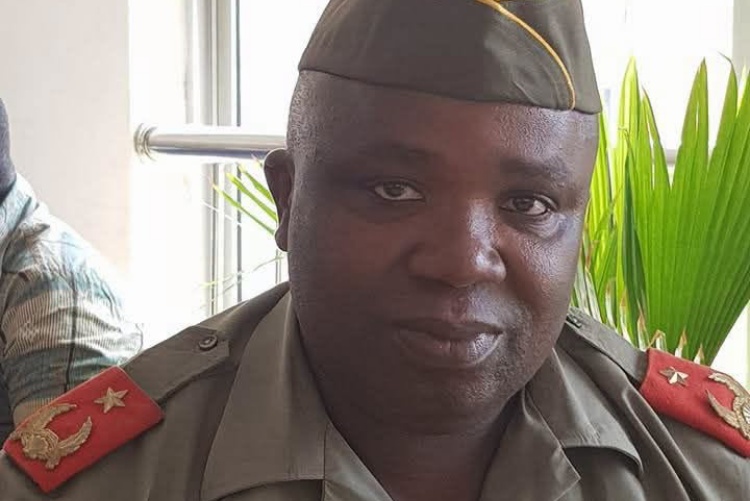
Gambiaj.com – (BISSAU, Guinea-Bissau) – Guinea-Bissau’s Supreme Court of Justice has ruled that the country’s Superior Military Tribunal has no legal authority to try the case of Brigadier-General Daba Na Walna and three others accused of plotting to overthrow the government.
In a decision handed down on July 23, the court’s Criminal Chamber found that the charges against the men do not amount to military offenses at all. Rather, the judges said, they fall squarely under Guinea-Bissau’s ordinary penal code and should never have landed before a military court in the first place.
The ruling, Acórdão No. 26/2026, goes further than simply reassigning the case. It voids every procedural step the military tribunal has taken so far, calling them legally null. The file will now be handed over to a competent civilian court, which will have to decide for itself which parts of the process can stand and which must be redone from scratch.
Judges based their decision on Guinea-Bissau’s Constitution, the Code of Military Justice, and the Code of Criminal Procedure. Under those laws, only crimes considered essentially military in nature can be handled by military courts. The panel found the allegations against the accused simply did not meet that threshold.
Three justices sat on the case: Aimadú Suané, Pansau Natchare, and Átila D. M. Ferreira. They delivered the ruling in Bissau on July 23.
The case reached the Supreme Court after Brigadier-General Daba Na Walna, Domingos Nhanque, Mário Midana Siga, and Alexandre Patrão Indi appealed a decision by the investigating judge at the Bissau Regional Court. The Public Prosecutor’s Office attached to the Supreme Court also took part in the proceedings.
Brigadier-General Na Walna has been in custody since October 29, 2025, when he was arrested in Bissau over his alleged role in a coup attempt. Nhanque, Siga, and Indi were detained in connection with the same case and remain in custody.
With the ruling now in effect, attention turns to the civilian courts, which must decide how the case moves forward, and whether the months of proceedings already conducted under military jurisdiction can be salvaged, or must begin anew.













Leave a Reply