


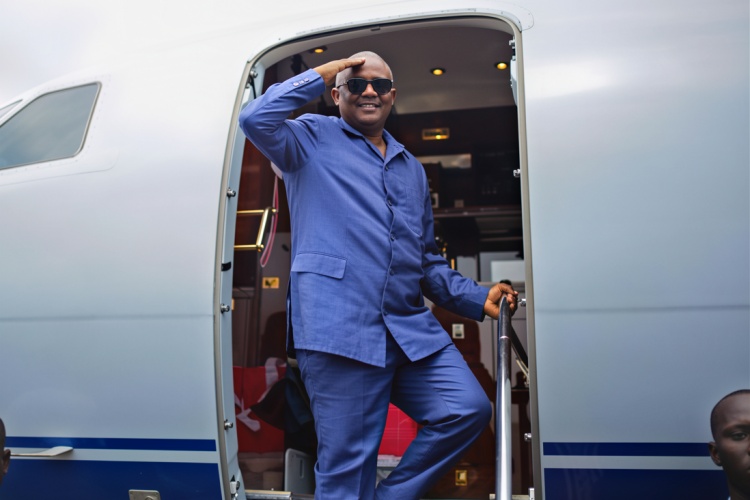
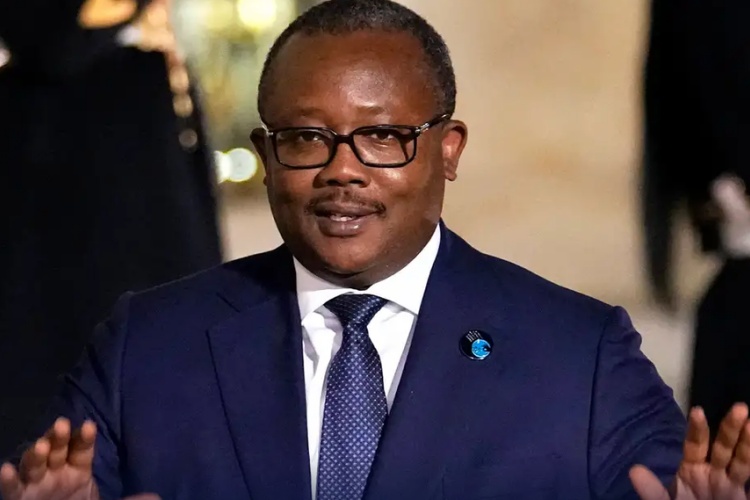
Gambiaj.com – (BISSAU-Guinea-Bissau) – Signals are growing that former Guinea-Bissau President Umaro Sissoco Embaló could be allowed to return to the country, with the transitional authorities now publicly indicating that there is no bar to his entry.
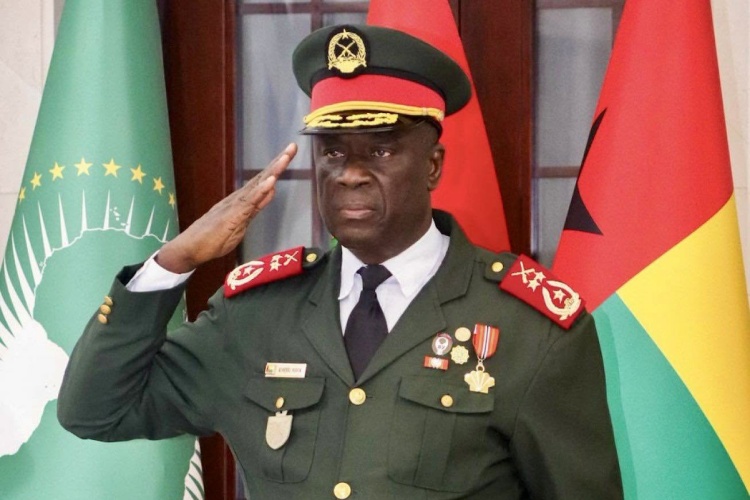
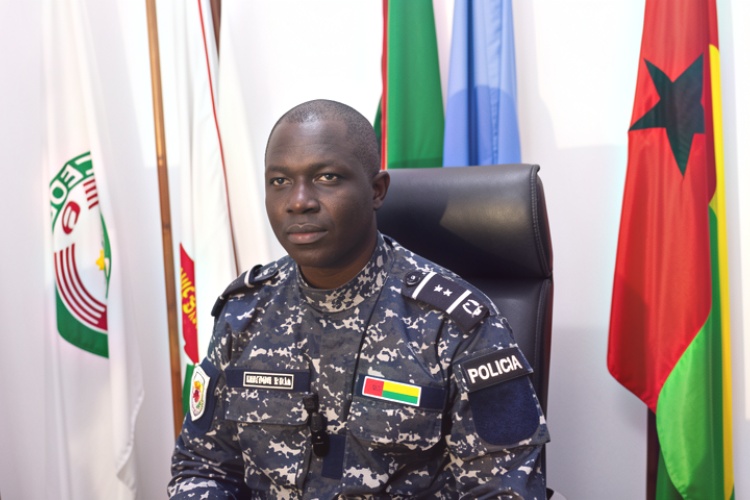
Transitional President General Horta Inta-A said Friday that Embaló, who has remained outside Guinea-Bissau since being removed from power in a military takeover last November, is free to return because he remains a Guinean citizen.
Asked by journalists about the possibility of the former president’s return during a visit to the newly rehabilitated Osvaldo Vieira International Airport, Horta Inta-A said any Guinean citizen wishing to return should be allowed to do so regardless of political differences.
He went further, saying even people who had insulted him personally could return to the country, with each individual responsible for his or her own actions.
The statement is one of the clearest indications yet that the transitional authorities could be prepared to accept Embaló’s return, particularly as Guinea-Bissau moves towards elections and political activity begins to intensify.
Public campaign adds pressure for Embaló’s return
The president’s comments come as supporters of Embaló have launched a public campaign calling for his return.
The campaign, promoted on social media under the slogan “Queremos U.S.E de volta” meaning “We want U.S.E back,” has attracted support from some citizens and individuals linked to the transitional administration.
Lamarana Djaló, one of those supporting the campaign, said Embaló should return because of what he described as his achievements while in office.
“We have all seen what he managed to achieve. He put Guinea-Bissau on the map and made the country’s flag reach beyond its borders. That is why I agree that he should come back and that we should all support him,” Djaló said.
The campaign, however, has also exposed divisions over what Embaló’s return would mean for the country’s already fragile political environment.
Critics within civil society have warned that his return could reopen political tensions following the military takeover, particularly if he intends to re-enter active politics ahead of elections.
Political commentator Fransual Dias said Embaló could return as a citizen but argued that the authorities should clarify whether he would return simply as a private citizen or with plans to compete for political power.
“What is Umaro Sissoco Embaló coming back for? Is he returning as an ordinary citizen? Is he coming back to compete for power?” Dias asked, arguing that the military authorities should explain the conditions surrounding his return.
Legal question increasingly becomes political
The legal position cited in the report also removes one potential obstacle to Embaló’s return.
Jurist Paulino Quade said that, in the absence of a judicial case, a restriction on his movements or any other official decision preventing his entry, Embaló can return to Guinea-Bissau like any other citizen.
“He is a citizen of Guinea-Bissau. So, the issue has nothing to do with the law. The issue is political,” Quade said.
The legal argument also places responsibility on the state to provide security for Embaló if he returns.
Taken together, the transitional president’s public statement, the campaign by Embaló supporters, and the legal assessment that there is no apparent legal impediment point to a political rather than legal question surrounding his return.
For Guinea-Bissau’s transition, that could be significant.
Embaló’s return would bring back into the country’s political arena a former president who was removed from office by the military and whose political future remains closely linked to the country’s transition towards elections.
Whether he returns simply as a citizen or seeks to revive his political career could therefore become an important issue in the run-up to the vote.
For now, however, the clearest message from the transitional authorities is that the door is open.
Horta Inta-A’s remarks suggest that the authorities are no longer publicly treating Embaló’s presence outside the country as a necessary condition of the transition. The question increasingly appears to be when he returns and what political role he intends to play once he does.


Leave a Reply