


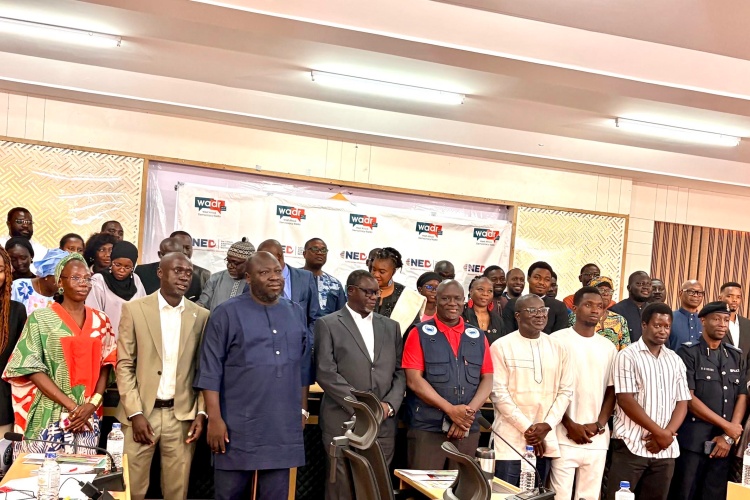
Gambiaj.com – (BANJUL, The Gambia) – The Gambia’s democratic reforms are facing a critical test of public trust ahead of the December 2026 presidential election, speakers at a Democracy and Governance Forum in Banjul have warned.
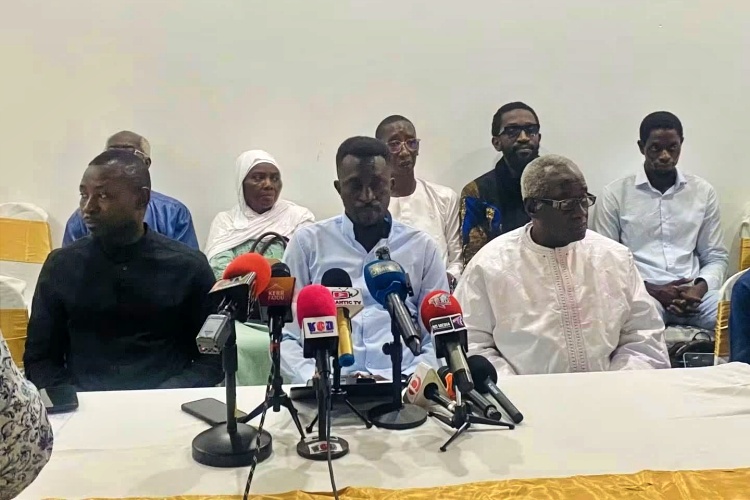
The forum, convened by West Africa Democracy Radio (WADR), brought together government officials, civil society actors, media practitioners, security experts and legal practitioners to assess the country’s political, judicial and security reforms.
While speakers acknowledged important democratic gains since 2016, they stressed that reforms will have limited meaning if citizens continue to lose confidence in the institutions responsible for protecting their rights and holding those in power accountable.
Democracy Depends on Trust
Gambia Press Union President Isatou Keita said democracy ultimately depends on public trust, noting that recent Afrobarometer findings show that nearly nine in ten Gambians reject dictatorship and one-party rule.
At the same time, she said, confidence in the presidency, parliament, and the courts has declined since 2018.
“Gambians have already decided they want democracy. What remains is for our institutions to earn the trust that decision represents,” Keita said.
She cited the establishment of the Anti-Corruption Commission, the enactment of the Access to Information law, and the work of the Truth, Reconciliation and Reparations Commission as significant democratic achievements.
However, she said major reforms remain unfinished, including constitutional reform and pending legislation on the security sector.
From Laws to Implementation
Hannah Forster, Executive Director of the African Centre for Democracy and Human Rights Studies, said democratic consolidation should be measured not only by political transitions but also by how institutions protect people’s dignity and rights in their daily lives.
“Democratic consolidation is not achieved by changing governments alone,” she said.
Forster called for stronger institutions, judicial independence, and effective civilian oversight of security institutions. She also stressed the need for greater inclusion of women, young people, and persons with disabilities in democratic processes.
Legal Officer at the Institute for Human Rights and Development in Africa, Abdulmalick Bello, similarly warned of a gap between legal commitments and their implementation.
He argued that democracy must extend beyond elections, stressing the importance of accountability, independent courts, civic space, media freedom, and freedom of assembly.
Reform Under the Electoral Spotlight
The forum’s concerns come as The Gambia prepares for another major presidential election, putting renewed focus on whether years of promised reforms can translate into institutions that citizens trust.
Speakers called for stronger oversight, credible implementation of reforms and meaningful public participation.
They warned that democratic progress cannot be sustained by laws and policies alone.
The challenge, they said, is now to turn reform from words on paper into results that citizens can see, feel and trust.





Leave a Reply