


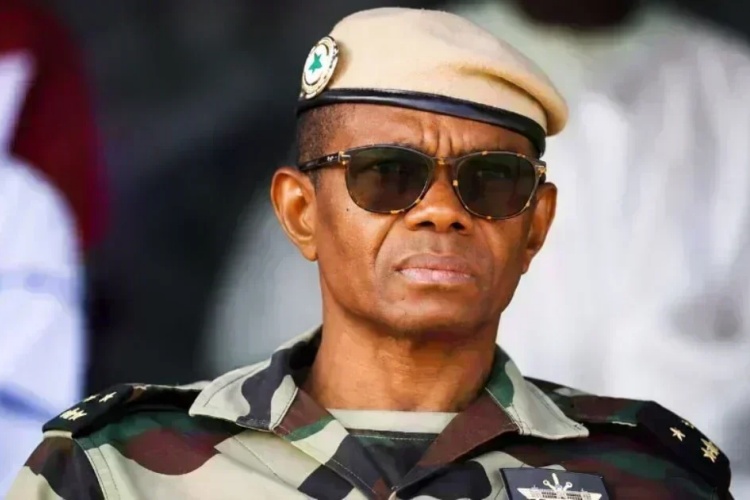
Gambiaj.com – (DAKAR, Senegal) – The appointment of Brigadier General Souleymane Kandé as Director General of External Intelligence (DGRE) has been announced on Wednesday. It marks a striking reversal in the career of an officer who, only two years ago, was moved out of Senegal’s military command structure under President Bassirou Diomaye Faye.
Kandé’s return to the center of Senegal’s security establishment is particularly notable because of the circumstances surrounding his departure in 2024. The general had built a formidable reputation through military operations in Casamance, where he commanded forces that dislodged Mouvement des Forces Démocratiques de Casamance (MFDC) armed separatists from several of their long-held bases.
His new appointment, announced by FDS TV and subsequently reported by several Senegalese media outlets on Wednesday, places him once again at the heart of the national security apparatus, this time in charge of external intelligence.
The DGRE is attached to the Presidency and operates under the authority of the Director of National Intelligence.
The trajectory is difficult to overlook: the same presidency that sent Kandé to India in 2024 has now brought him back and entrusted him with one of the country’s most sensitive security functions.
The General Who Became a Major Figure in Casamance
Kandé’s rise through the military ranks was closely associated with the changing security situation in Casamance.
As commander of Military Zone No. 5 in Ziguinchor, he became associated with a more assertive military approach towards the MFDC rebellion.
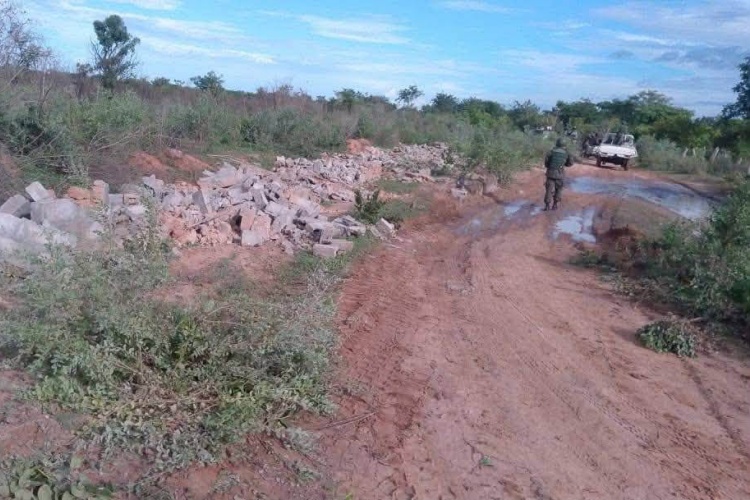
In 2021, operations under his command targeted rebel positions and forest bases that had remained difficult for the Senegalese military to penetrate for decades.
The operations resulted in the army taking control of several areas previously held by MFDC factions and destroying bases and cannabis fields. The return of displaced civilians to some of those areas subsequently gave the military campaign a broader social impact.
Kandé was later appointed Chief of Staff of the Army and, in July 2023, was given additional responsibility as Coordinator of Special Operations.
His profile consequently became closely identified with Senegal’s operational military capacity.
That reputation also made his removal from those positions in 2024 politically and institutionally sensitive.
From Strategic Command to New Delhi
After President Diomaye Faye took office in April 2024, Kandé was removed from his position as Chief of Staff of the Army and appointed Defence and Security Attaché at Senegal’s embassy in New Delhi. He eventually took up the post in March 2025.
The decision generated considerable controversy in Senegal, with some commentators describing the appointment as a sidelining of a senior general. Reports at the time also linked the move to tensions involving then Prime Minister Ousmane Sonko and Kandé, although the circumstances were disputed.
Sonko later addressed the controversy publicly, saying the decision was based on a military report and insisting that Kandé had not been sanctioned for fighting the Casamance rebellion. He said the decision was connected to concerns about stability and national security.
Other reports offered a different account, alleging that Kandé had disagreed with Sonko over proposals concerning Senegal’s military cooperation agreements with foreign powers. Those reports were presented as explanations for the tension but were not established as the official reason for his reassignment.
The episode nevertheless placed Kandé at the intersection of Senegal’s military hierarchy and the political transition that followed the departure of Macky Sall.
His India posting was therefore widely interpreted through the politics of the new administration, rather than simply as a routine diplomatic assignment.
A Remarkable Reversal
Kandé’s return now gives the episode a striking second chapter.
Under the same Diomaye Faye presidency that removed him from the Army’s operational command, the general has been brought back into a position with direct strategic importance to the state.
His appointment does not simply represent a return to Dakar. It represents a return to the security architecture from which he was removed.
The significance is amplified by the nature of the DGRE itself. Unlike a diplomatic posting, the intelligence position puts Kandé once again inside the country’s core national-security machinery, with responsibility for external intelligence at a time when Senegal is reassessing its security relationships and regional strategic environment.
It also underscores how dramatically the relationship between political authority and military leadership can evolve after a change of government.
In 2024, Kandé’s removal generated questions about trust between the new political leadership and a general whose influence had grown considerably under the previous administration. In 2026, that same political leadership has effectively restored him to a strategic role.
The irony is therefore hard to miss: the general once moved away from the centre of power under Diomaye Faye is now being brought back by Diomaye Faye himself to occupy a position at the centre of Senegal’s intelligence system.
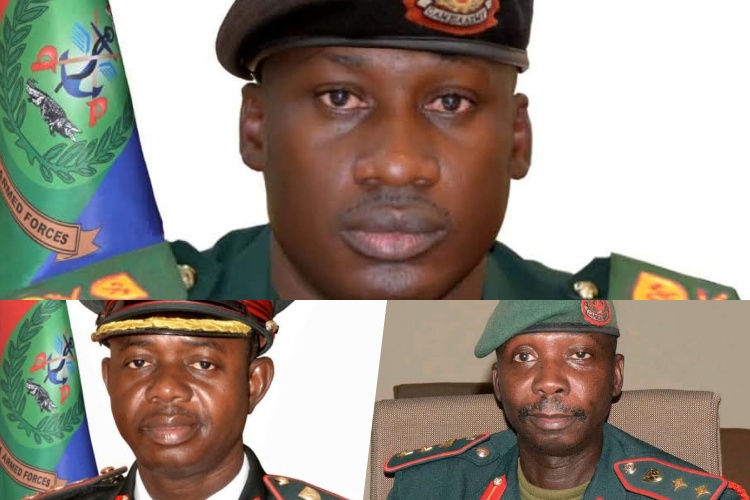
Kandé’s appointment also comes alongside reported promotions of other senior officers to strategic positions, suggesting a broader reshaping of Senegal’s military and intelligence leadership. The details of those appointments have yet to be fully disclosed.
His journey from the forests of Casamance to New Delhi and now back to the Presidency in Dakar offers one of the more consequential reversals in Senegal’s recent military story. General Kandé’s Return Marks a Striking Turnaround Under Diomaye Faye




Leave a Reply