


Gambiaj.com – (SOMA, THE GAMBIA) The Gambia has signed agreements for a US$169 million expansion of the Soma Solar Park, a project expected to increase renewable energy generation and reduce the country’s dependence on expensive fuel-based electricity.
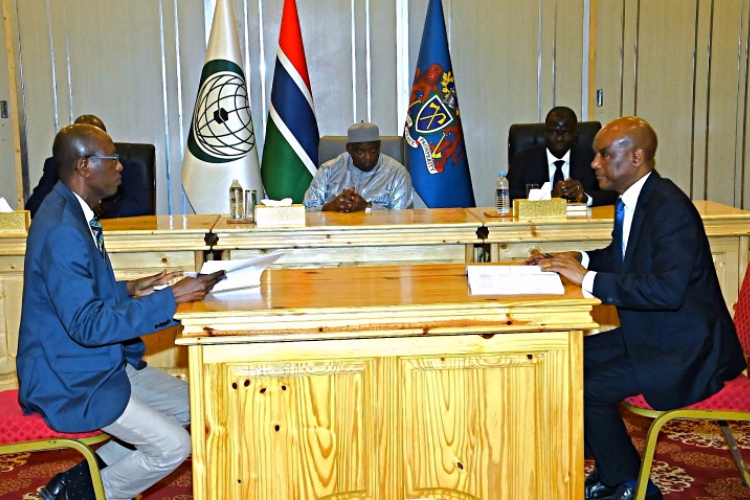
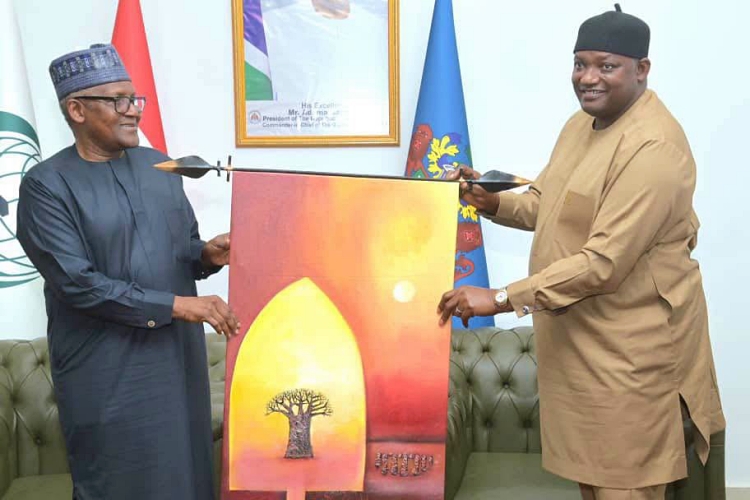
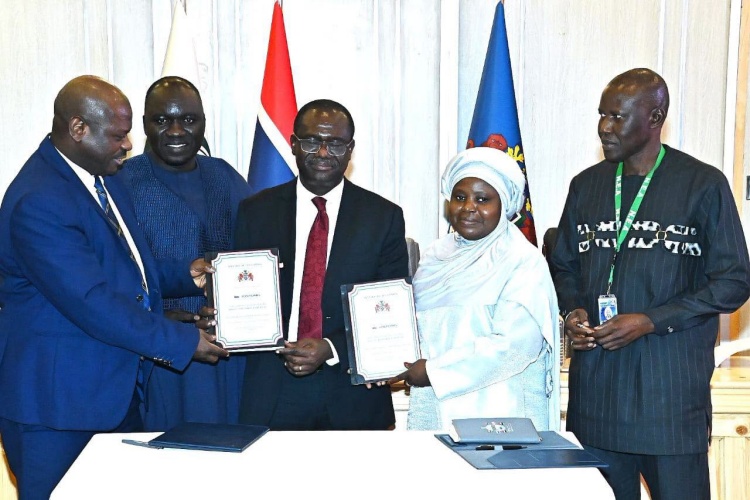
The agreements, signed in the presence of President Adama Barrow, cover Phase 2 of the Soma Solar Park and involve Solaris Africa Ltd, a company of Mark Cables FZE.
The project will combine 148.44 MWp of solar photovoltaic capacity with 85 MW of battery storage, potentially changing how solar power is supplied to the national grid.
The battery system is particularly significant because it will allow electricity generated during daylight hours to be stored and released during the evening peak, when demand typically rises.
Reducing Reliance On Fuel-Based Generation
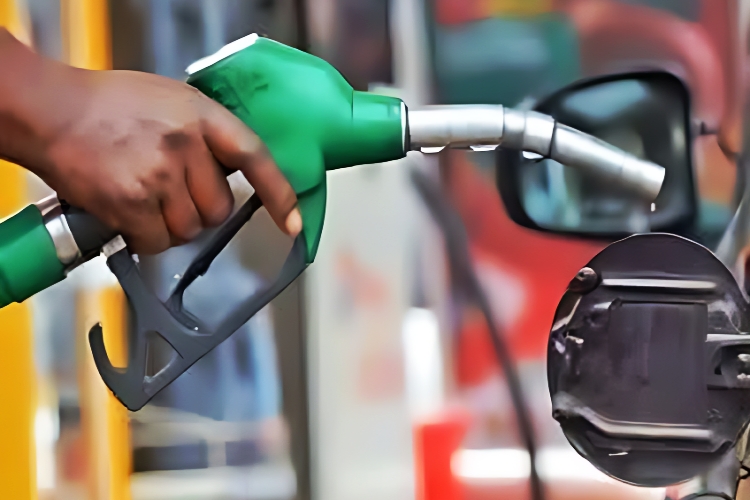
For The Gambia, where electricity supply has faced reliability and cost pressures, the project could reduce the amount of fuel needed to generate power.
By storing solar energy and making it available after sunset, the project is designed to reduce reliance on conventional fuel-powered generation while providing an additional source of electricity for homes and businesses.
The scale of the investment also makes the project one of the largest private investments in The Gambia’s energy sector.
What The Project Could Change
If delivered as planned, the expanded solar park could strengthen the country’s generation capacity while making greater use of renewable energy.
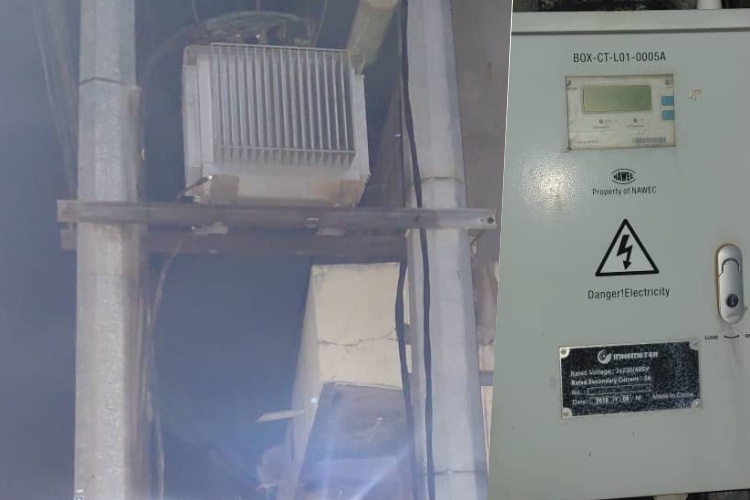
It could also help NAWEC manage peak demand by providing stored electricity when solar generation is no longer available, potentially reducing pressure on fuel-based plants.
NAWEC has signed a 25-year Power Purchase Agreement for the project, while the Ministry of Petroleum, Energy and Mines and the Ministry of Finance and Economic Affairs signed the Implementation Agreement on behalf of the government.
The government says the agreement also signals investor confidence in The Gambia and supports President Barrow’s commitment to expanding access to reliable, affordable and cleaner electricity.
The immediate challenge will be turning the agreement into operational generating capacity. The project’s impact on electricity costs and reliability will ultimately depend on its construction, connection to the grid and sustained operation once completed.










Leave a Reply