


Gambiaj.com – (BANJUL, THE GAMBIA) – For residents of Kotu and Manjai, the arrival of a US$46 million integrated waste management project cannot come soon enough. In parts of these communities, residents say they have gone about a year without seeing a waste collection truck, leaving households to find their own ways of disposing of rubbish and live with the health and environmental risks that come with it.
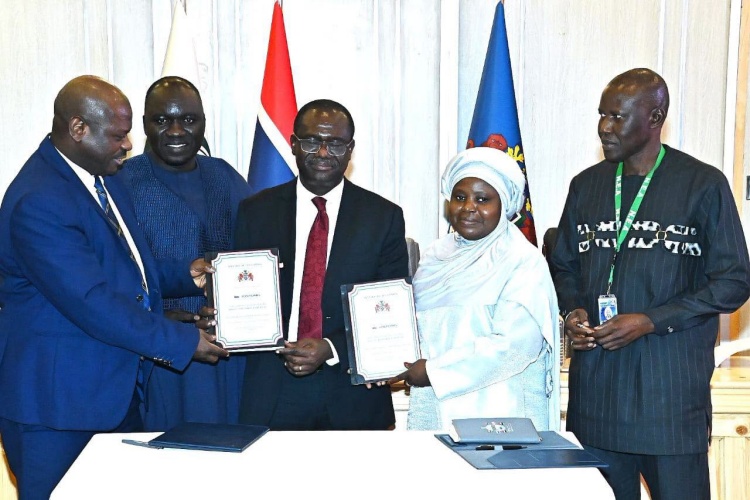
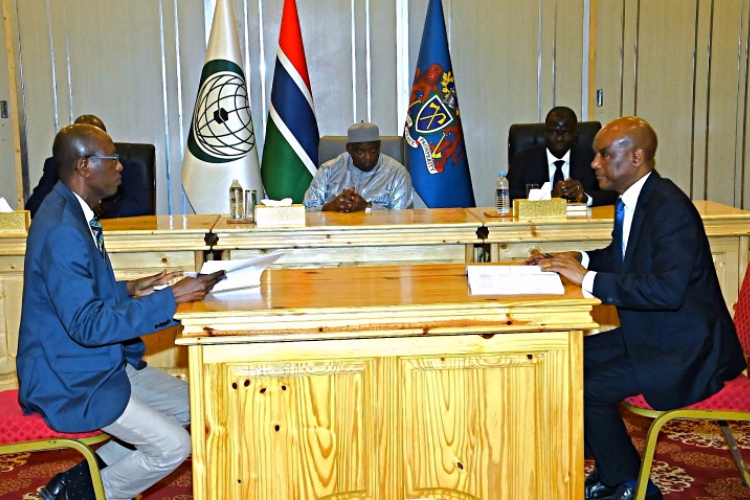
Their experience captures the urgency behind the Government of The Gambia’s agreement with Jospong Group of Companies, signed in the presence of President Adama Barrow. The project promises modern waste collection, sorting, recycling and safe disposal in Banjul, Kanifing Municipality and Brikama.
For residents who have endured irregular collection, accumulating rubbish and inadequate disposal arrangements, the agreement offers hope that a problem they have lived with for years may finally receive the attention and investment it deserves.
But the size of the deal also raises an uncomfortable question: how did waste management deteriorate to this point in the first place, and what guarantees do residents have that this agreement will change their daily reality?
A Crisis Residents Have Been Left To Manage
Waste collection in parts of the Greater Banjul Area has become so unreliable that residents have increasingly been left to manage a public service problem on their own. The reported absence of collection trucks in parts of Kotu and Manjai for about a year illustrates the seriousness of the situation.
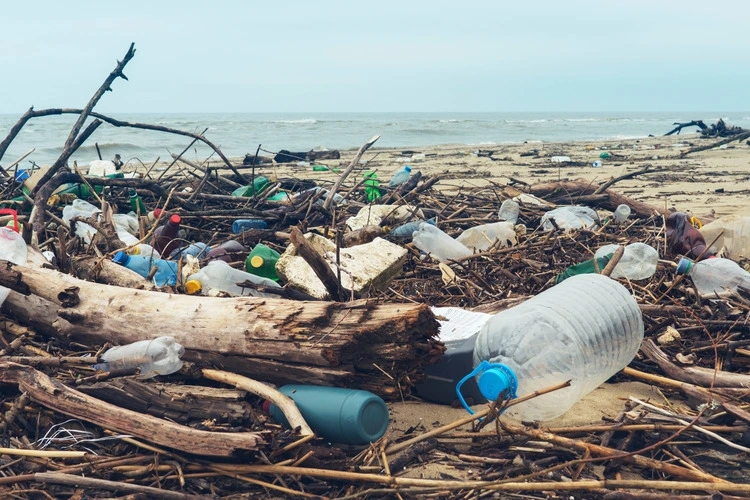
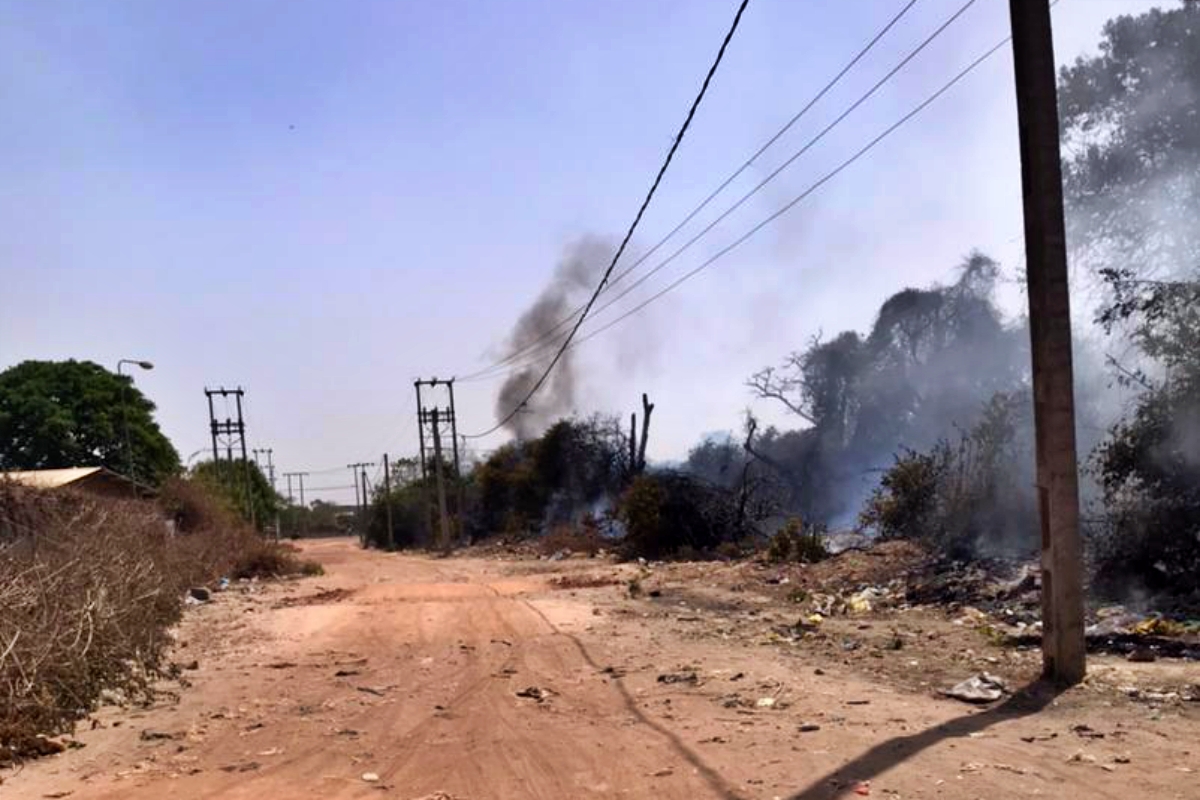
When municipal collection fails for such an extended period, households have little choice but to improvise. Rubbish may be stored for longer than is safe, dumped in unauthorized locations or disposed of through practices that expose people to smoke, pests and other environmental hazards.
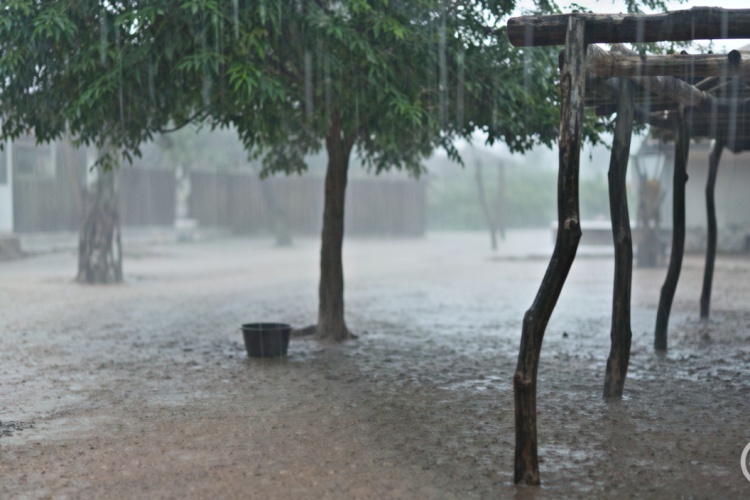
Children, elderly people, traders and other residents are left to live alongside the consequences. Waste can obstruct drains, contribute to flooding during heavy rains, attract rodents and insects, and create conditions that threaten public health.
This is not simply an issue of dirty streets. It is a question of public health, environmental protection and the ability of local authorities to deliver one of the most basic services residents expect in return for the taxes, rates and other charges they pay.
A neighborhood cannot be considered properly served when its residents have to organise their own arrangements for disposing of everyday household rubbish because the established collection system is no longer functioning reliably.
The experience of Kotu and Manjai also raises questions about how complaints are handled, how collection schedules are enforced and what mechanisms exist to ensure that communities are not effectively abandoned when municipal services break down.
These are questions the three councils and the central government must confront alongside the implementation of the new project.
Why The Government’s Deal Matters
The US$46 million agreement is significant precisely because it offers a chance to move beyond a situation in which residents have become accustomed to unreliable waste collection.
The project, signed by the Ministry of Environment, Climate Change and Natural Resources and the Ministry of Finance and Economic Affairs on behalf of the government, is intended to establish an integrated system covering collection, sorting, recycling and safe disposal.
Banjul City Council, Kanifing Municipal Council and Brikama Area Council signed as witnesses, while the National Environment Agency is expected to play a central role in ensuring compliance with national environmental standards.
If properly implemented, the project could provide the infrastructure, equipment and operational capacity needed to improve collection coverage and reduce the amount of waste left in communities or disposed of unsafely.
Its importance extends beyond the three cities’ appearance. A functioning waste management system can improve public health, protect waterways and drainage systems, reduce uncontrolled dumping and create opportunities to recover materials that would otherwise be discarded.
But the immediate priority must be to restore dependable collection in communities where the service has deteriorated most severely. Residents should not have to wait for the full development of a modern recycling and disposal system before seeing an improvement in the basic collection of their household waste.
The government must therefore ensure that the project delivers both long-term infrastructure and visible improvements in everyday service delivery.
Residents Need Results, Not Another Promise
The government has presented the agreement as part of President Barrow’s commitment to cleaner streets and a healthier environment.
For residents of Banjul, Kanifing Municipality and Brikama, the issue is no longer whether the country needs a modern waste management system. Years of erratic collection have already answered that question.
The real test is whether this agreement can restore a basic service that many residents have been denied: the regular, safe and reliable collection of their household rubbish.
Until that happens, the promise of a cleaner Gambia will remain just that: a promise.








Leave a Reply