


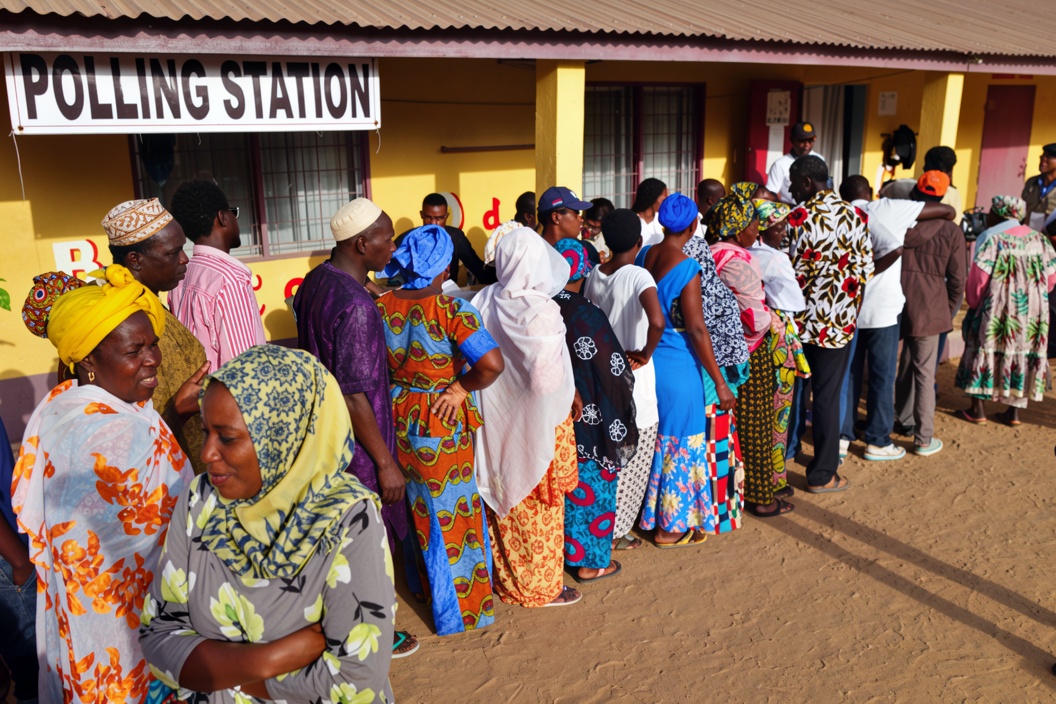
Gambiaj.com – (BANJUL, THE GAMBIA) – As the Independent Electoral Commission (IEC) advances preparations for the December 5 presidential election, attention is increasingly turning to voter participation, particularly among young and first-time voters.
For many preparing to cast their ballots for the first time, the election represents both an opportunity to fulfill a civic responsibility and a source of uncertainty about the voting process, access to reliable information, and the possibility of voting safely.
Their expectations reflect broader concerns among voters as Election Day approaches, including how to make informed choices and participate in an electoral process they trust.
Ebrima Bah, a first-time voter, is preparing to participate but remains concerned about misinformation and potential political violence.
Another first-time voter, Arret Jatta, is approaching the election with optimism. “I am really excited because I truly believe my vote can bring change,” Jatta said.
She hopes the next government will tackle the rising cost of living, improve salaries, and create more employment opportunities for young people.
Understanding the Voting Process
With the voter register now published, voters are encouraged to verify their registration details and assigned polling stations ahead of Election Day.
The IEC says registered voters must present their valid voter cards and report to their designated polling stations. Voting is scheduled to begin at 8am and close at 5pm, although those already in the queue at closing time will be allowed to cast their ballots.
After their details are verified, voters have their left forefingers marked with indelible ink before receiving a marble or token. They then enter the voting compartment and place the token in the drum representing their preferred presidential candidate.
Votes are counted at polling stations in the presence of authorized candidate agents and observers. Results are recorded on official forms before being transmitted to collation centers.
Voters who witness suspected irregularities are encouraged to report them to electoral officials, providing details of the location and time of the incident.
However, understanding the voting procedure is only one aspect of electoral preparedness. Access to timely and reliable information remains equally important.
Demand for Better Voter Education
Sera Touray, another first-time voter who follows political speeches and party manifestos, wants more timely electoral information and stronger voter education.
Mariama Saidy, also voting for the first time, said she needs clearer information about the presidential candidates and their policies. Unemployment is her biggest concern, followed by education and healthcare.
Young women interviewed for this explainer said they rely on Facebook, WhatsApp, radio, television, and conversations with others to follow election developments. However, conflicting claims and unverified information circulating on these platforms can make it difficult to distinguish facts from rumors.
They also highlighted social expectations that discourage women from discussing politics, as well as limited opportunities for civic engagement. They called for more community outreach and safe spaces where women can discuss political issues and participate freely.
For young voters in rural communities, access to electoral information presents additional challenges.
Sarjo Barry, a young voter from Wasu in Basse, and Ousman Leigh, from Bansang, questioned whether rural communities receive election information as quickly as their urban counterparts.
Limited internet access, language barriers, and infrequent voter education activities can leave some young people dependent on information shared informally within their communities.
They called for more village-level outreach, communication in local languages, and greater involvement of community leaders, youth groups, and radio stations in voter education.
Accessibility Remains A Challenge
For voters with disabilities, meaningful participation also depends on whether polling stations and electoral information are accessible.
Kaddy Jallow and Musu Faal, both voters with disabilities, raised concerns about poor access roads, the absence of ramps at some polling stations, and limited availability of Braille, audio materials, and sign-language interpretation.
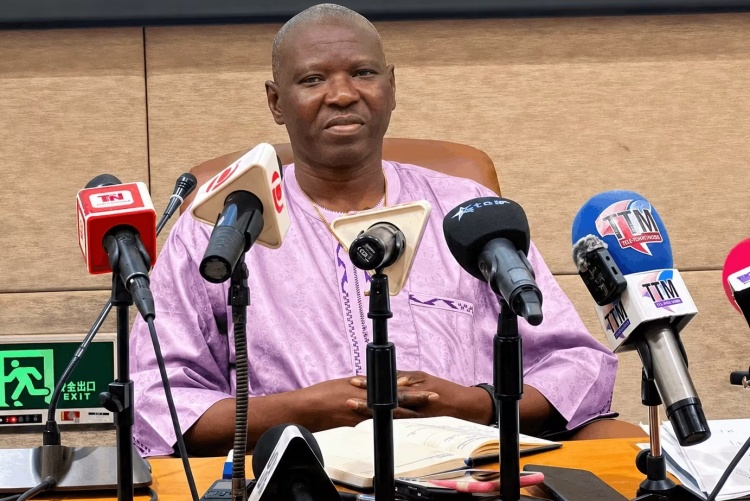
IEC Communications Director Pa Makan Khan acknowledged that ramps are not available at every polling station, adding that an assessment of accessibility needs was being pursued.
He said polling stations are generally located on ground floors. Voters who require assistance may choose a trusted person to help them cast their ballots, provided the secrecy of their vote is protected.
Civil society organizations are also seeking to expand young people’s participation in the electoral process.
In September, Gambia Participates organized a three-day training program at Bakadaji Hotel for 35 young women and men under the FIAP project.
The organization said the initiative was designed to help young people translate their digital presence into meaningful political participation while addressing the underrepresentation of young women in decision-making.
Tackling Election Misinformation
Beyond access to information, voters must also be able to identify false or manipulated election-related content.
Omar Saibo Camara, Executive Director of Fact-Check Gambia, warned that election misinformation can take different forms, including fabricated statements, fake results, recycled images, hate speech, and manipulated videos.
He urged voters to verify the credibility of sources before sharing election-related content, noting that advances in artificial intelligence are making manipulated material increasingly difficult to recognize.
As the December 5 election approaches, the concerns raised by first-time and young voters highlight the challenges that extend beyond the mechanics of casting a ballot.
From misinformation and unequal access to electoral information to physical barriers facing voters with disabilities, their experiences point to the need for stronger voter education, inclusive electoral arrangements, and effective safeguards for participation.
Ultimately, building confidence in the electoral process will depend not only on voters turning out on Election Day but also on ensuring that every eligible citizen can participate freely, make an informed choice, and have their vote counted and respected.




Leave a Reply