


Gambiaj.com – (BANJUL, The Gambia) – The Government of The Gambia has acknowledged that seasonal livestock movement can contribute to deforestation, overgrazing, land degradation, and conflicts between farmers and herders.
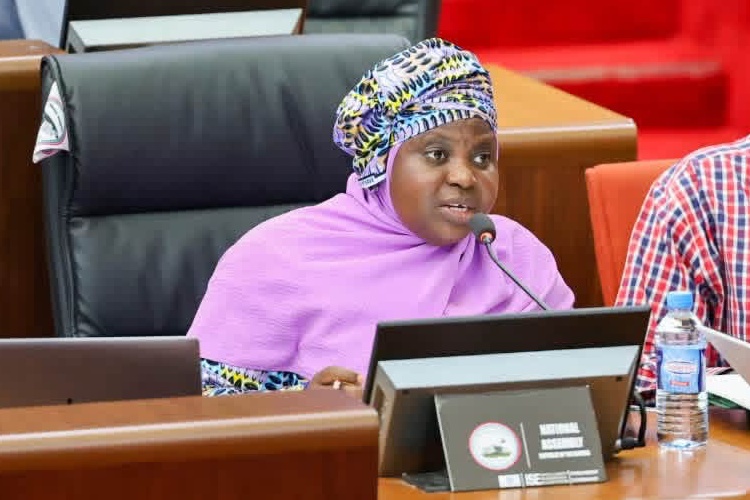
Minister of Environment, Climate Change, and Natural Resources Rohey John Manjang made the disclosure at the National Assembly while responding to questions about the management of transhumance and its impact on the country’s natural resources.
Manjang said the government does not intend to stop legitimate transhumance, which remains a long-standing livelihood practice across the sub-region, but wants to regulate it to reduce its environmental and social impact.
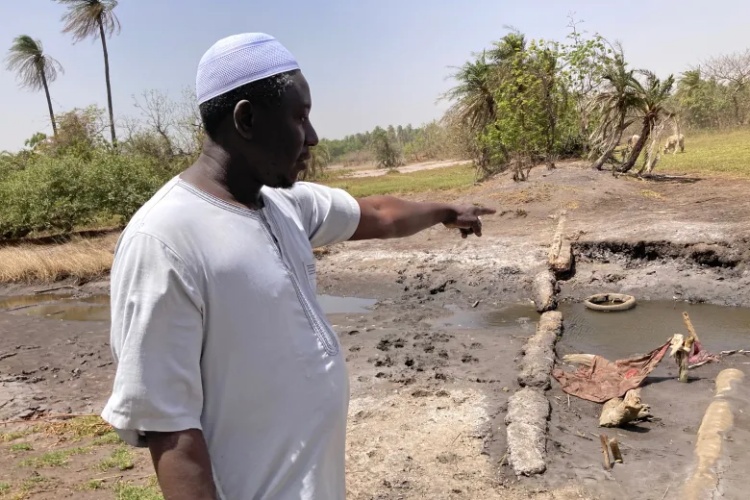
She said uncontrolled livestock movement can contribute to deforestation, uncontrolled bush burning, degradation of grazing areas, and increased pressure on natural resources.
Government Plans Stronger Coordination
The minister said the government plans to strengthen cooperation between the Ministry of Environment, Climate Change, and Natural Resources; the Ministry of Agriculture, Livestock, and Food Security; the Ministry of Interior; security services; local authorities; and communities.
She said better coordination among these institutions would help improve the management of seasonal livestock movement and reduce conflicts and environmental damage.
Manjang also pointed to controlled grazing and rotational pasture management as measures that could help reduce overgrazing and land degradation.
The government is also working towards developing a comprehensive national policy on transhumance, with the Ministry of Agriculture, Livestock, and Food Security expected to take the lead.
Forest Law Under Review
Manjang further disclosed that the Forest Act 2018 is under review, partly because some existing penalties are considered insufficient to deter illegal activities that damage forests and other natural resources.
She said proposed amendments would undergo stakeholder validation, followed by consideration by the National Assembly before being subjected to legal review by the Ministry of Justice.
However, the minister acknowledged that her ministry had not followed up on some recommendations previously made by the National Assembly concerning transhumance.
She said the National Environment Agency had nevertheless convened a stakeholder meeting on the issue, while government technicians had been instructed to proceed with validation work.
The admission raises questions about the implementation of existing laws and parliamentary recommendations at a time when seasonal livestock movement continues to place pressure on forests, grazing areas, and farming communities.











Leave a Reply