


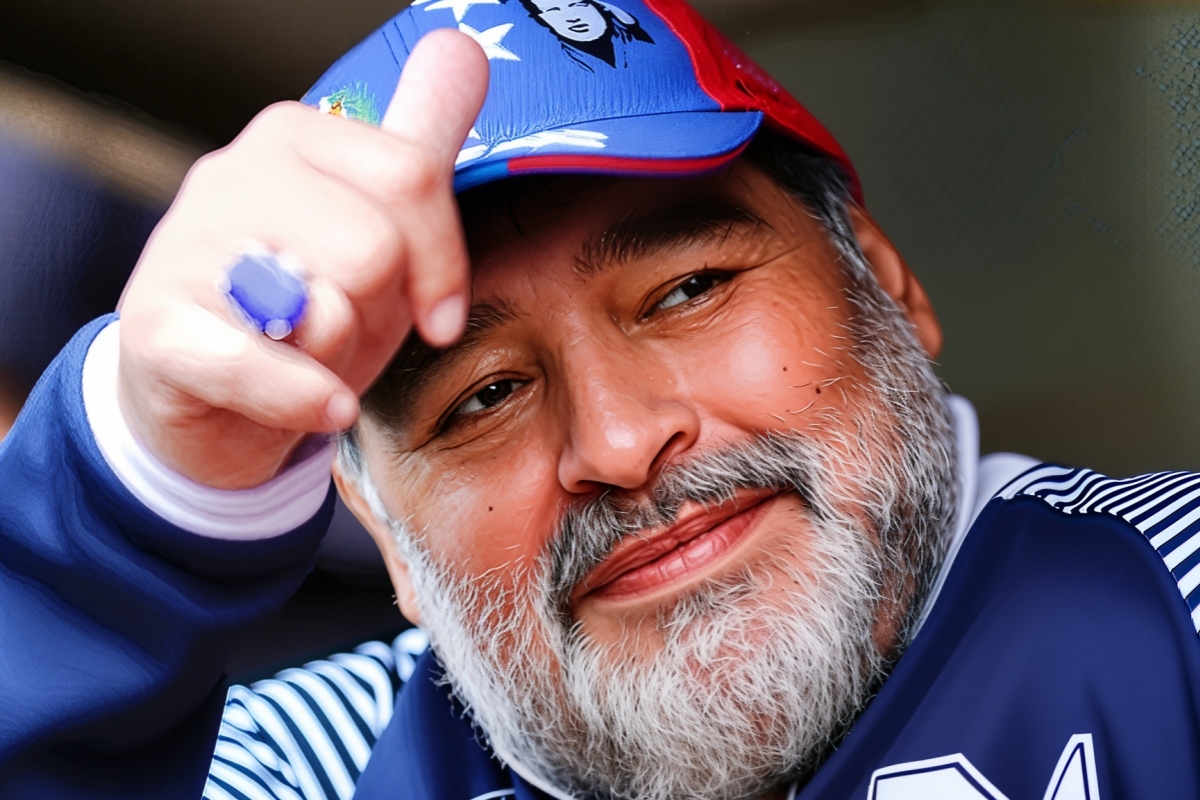
Gambiaj.com – (BUENOS AIRES, Argentina) – A new trial into the death of Argentine football icon Diego Maradona has opened in San Isidro, with prosecutors aiming to establish that a pattern of medical negligence and abandonment directly contributed to his death.
The proceedings, which began Tuesday, come nearly six and a half years after Maradona’s passing and ten months after the annulment of an earlier trial tainted by judicial controversy. Seven healthcare professionals, including doctors, a psychiatrist, a psychologist, and nurses, are facing charges of “homicide with implied malice,” a serious offense that carries prison sentences ranging from eight to 25 years.
Prosecution Strategy: Establishing “Cruel Neglect”
At the heart of the prosecution’s case is an attempt to demonstrate that Maradona’s death was not inevitable, but rather the result of systematic failures in his medical care.
In his opening statement, prosecutor Patricio Ferrari outlined a strategy focused on proving that the conditions of Maradona’s home care amounted to dangerous neglect. He described the environment in which the former footballer was recovering as “cruel, precarious, and lacking resources.”
According to Ferrari, the prosecution will present evidence that the medical team responsible for Maradona effectively abandoned him during a critical period following neurological surgery. He argued that this alleged abandonment “condemned him to death,” suggesting that the accused were aware of the risks but failed to take necessary action.
Prosecutors are expected to highlight key deficiencies, including the absence of essential medical equipment such as oxygen supplies, intravenous fluids, and cardiac monitoring, as well as insufficient supervision during his recovery at a private residence rather than a medical facility.
Building the Case Around Omission and Responsibility
Rather than focusing on a single fatal mistake, the prosecution appears intent on constructing a cumulative case, one that frames a series of omissions as constituting criminal liability.
Central to this argument is the legal concept of “implied malice,” which hinges on whether the defendants knowingly disregarded a substantial risk to Maradona’s life. Prosecutors aim to show that the medical professionals, despite recognizing his fragile condition, failed to provide adequate care or escalate treatment when necessary.
An autopsy finding that Maradona may have suffered for at least 12 hours before his death is expected to play a critical role in reinforcing claims of delayed or absent intervention.
Context of a Controversial First Trial: Family and Public Demand Accountability
This second trial follows the collapse of earlier proceedings in May 2025, after it emerged that presiding judge Julieta Makintach had participated in a documentary about the case without informing the parties involved.
The revelation led to her removal and the annulment of the trial after more than 20 hearings and testimony from 44 witnesses.
The new panel of judges is now tasked with reassessing the case from the beginning, with hearings scheduled twice weekly over at least three months.
Maradona’s daughters attended the opening session, underscoring the family’s continued push for accountability. One of them, Jana, expressed frustration over the delays, saying the prolonged process had forced the family to relive their grief.
Outside the courthouse, small groups of supporters gathered, calling for justice for the football legend, whose legacy in Argentina remains deeply revered.
Defense Pushback, Broader Questions at Stake
The defendants have denied all accusations, maintaining that they acted within the scope of their professional responsibilities. Psychiatrist Agustina Cosachov, one of the accused, previously stated that her actions were guided by her medical judgment and commitment to the patient’s best interests.
However, prosecutors are expected to challenge such claims by scrutinizing decision-making processes within the medical team, including who held ultimate responsibility for Maradona’s care and why critical interventions may have been delayed or omitted.
Beyond the legal arguments, the trial is set to revisit lingering questions about the circumstances surrounding Maradona’s final days, particularly whether his death was the unavoidable consequence of long-term health issues or the result of preventable medical failures.
For prosecutors, the objective is clear: to convince the court that what occurred was not merely negligence, but a conscious disregard for a vulnerable patient’s survival.











Leave a Reply